🎓GeoAcademyGeoVerse Lab
Basic Sciences College

Physics Department

The Physics Department builds the ability to apply fundamental physics — elastic wave theory in anisotropic media, Maxwell's electromagnetic field equations, thermodynamic modeling of subsurface fluids, and gravitational potential theory — to geophysical phenomena. Students apply each of these four pillars to real geophysical problems; by graduation, quantitatively interpreting geophysical phenomena on solid physical grounds has become a habit of mind.
⚙️ GeoAcademy System Administration College🖥️ AI & Computing Sciences College🔬 Basic Sciences College⚡ Intelligent Geophysical Exploration College🛢️ Resource & Energy Engineering College🌍 Applied Geoscience Solutions College💼 Economics, Policy & Strategy for the Future College🎓 Education & Training Development College🚀 Innovation & International Collaboration College
Mathematics DepartmentPhysics DepartmentChemistry DepartmentBiology DepartmentAtmospheric Sciences DepartmentStratigraphy & Sedimentology DepartmentStructural Geology & Tectonics DepartmentPetrology & Mineralogy DepartmentGeochemistry DepartmentPaleontology & Evolutionary Biology DeptRemote Sensing & Earth Observation DeptHydrogeology & Soil Science DepartmentPhysical Oceanography DepartmentMarine Geology & Geophysics DepartmentChemical Oceanography DepartmentMarine Biology & Ecology Department
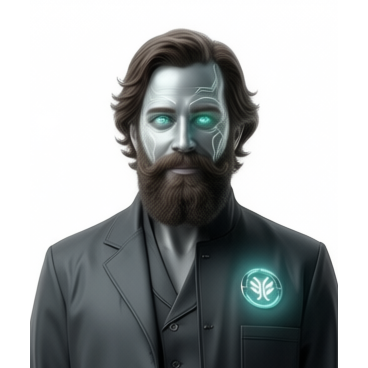
Maxwell🔑
Maxwell
Chair
💡 Electromagnetic Theory & Statistical Mechanics

Researchers (real GeoVerse Lab members) 12

🧑‍🔬
🔑
1635–1703
Robert Hooke
Researcher
💡 Formulated Hooke's law of elasticity, the fundamental linear stress-strain relationship underlying elastic wave theory
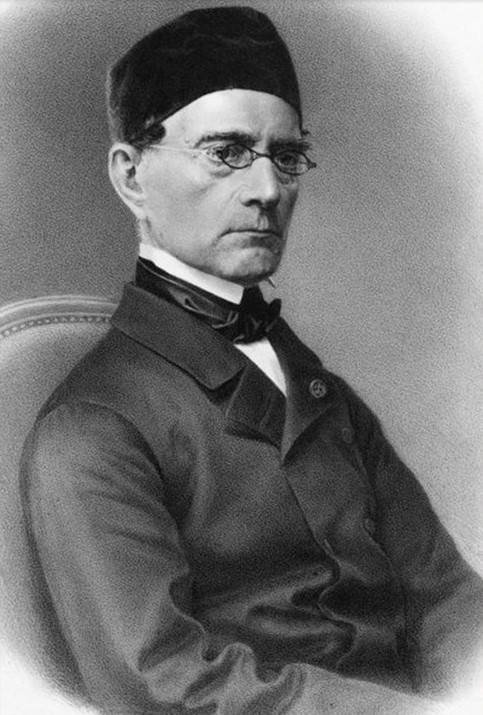
Gabriel Lamé🔑
1795–1870
Gabriel Lamé
Researcher
💡 Introduced the Lamé parameters, the two elastic moduli that fully characterize isotropic elastic wave propagation
Auguste Bravais🔑
1811–1863
Auguste Bravais
Researcher
💡 Classified the 14 possible crystal lattice structures (Bravais lattices), founding the mathematical theory of crystalline anisotropy
🧑‍🔬
🔑
1878–1945
Eugene C. Bingham
Researcher
💡 Founded rheology, coining the term and characterizing Bingham plastic materials that require a yield stress before flowing
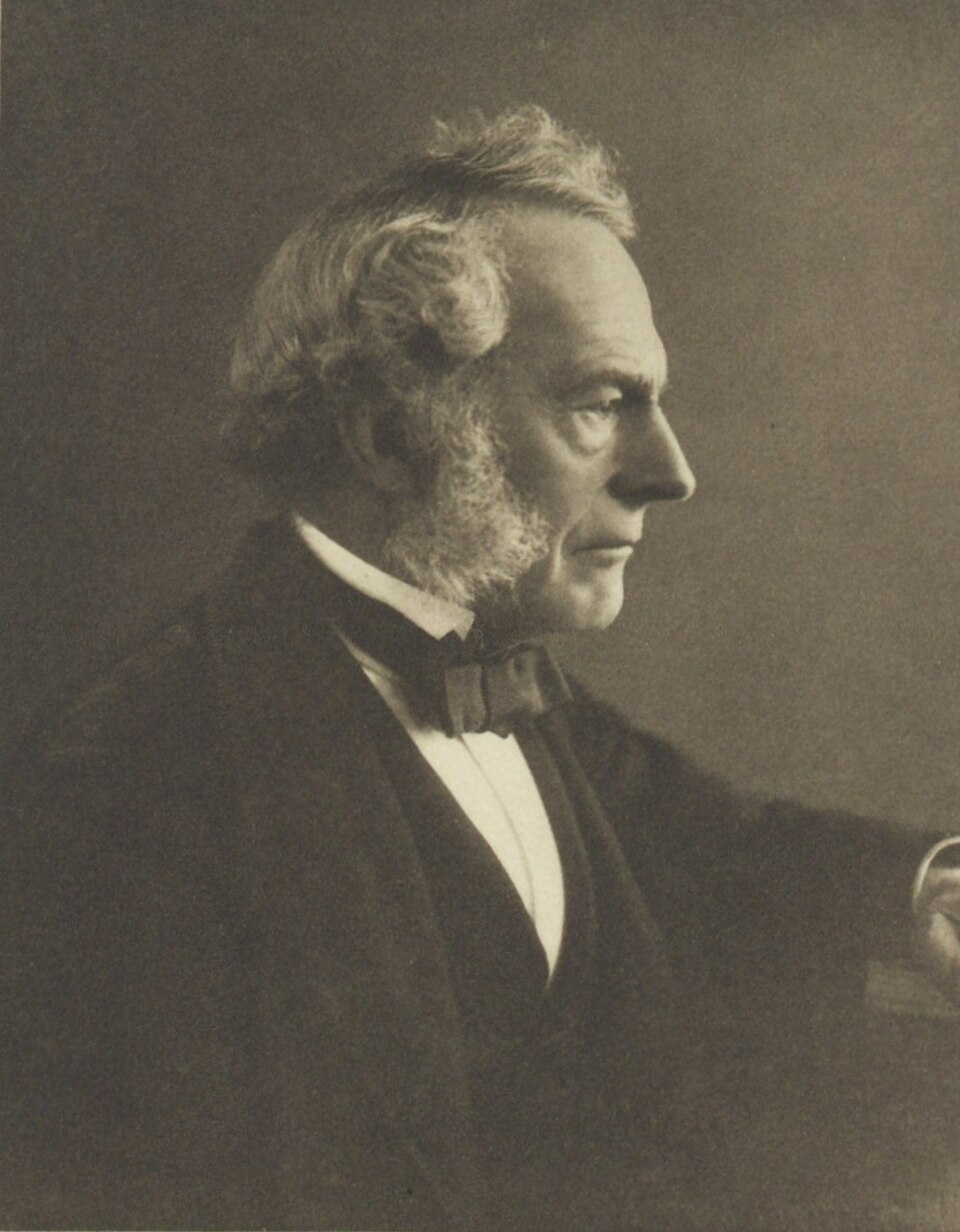
George Gabriel Stokes🔑
1819–1903
George Gabriel Stokes
Researcher
💡 Co-formulated the Navier-Stokes equations governing viscous fluid flow, foundational to modeling subsurface fluid transport
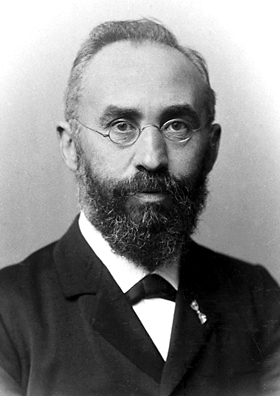
Hendrik Lorentz🔑
1853–1928
Hendrik Lorentz
Researcher
💡 Extended Maxwell's electromagnetic theory with the Lorentz force law and electron theory, bridging classical EM theory to relativistic physics
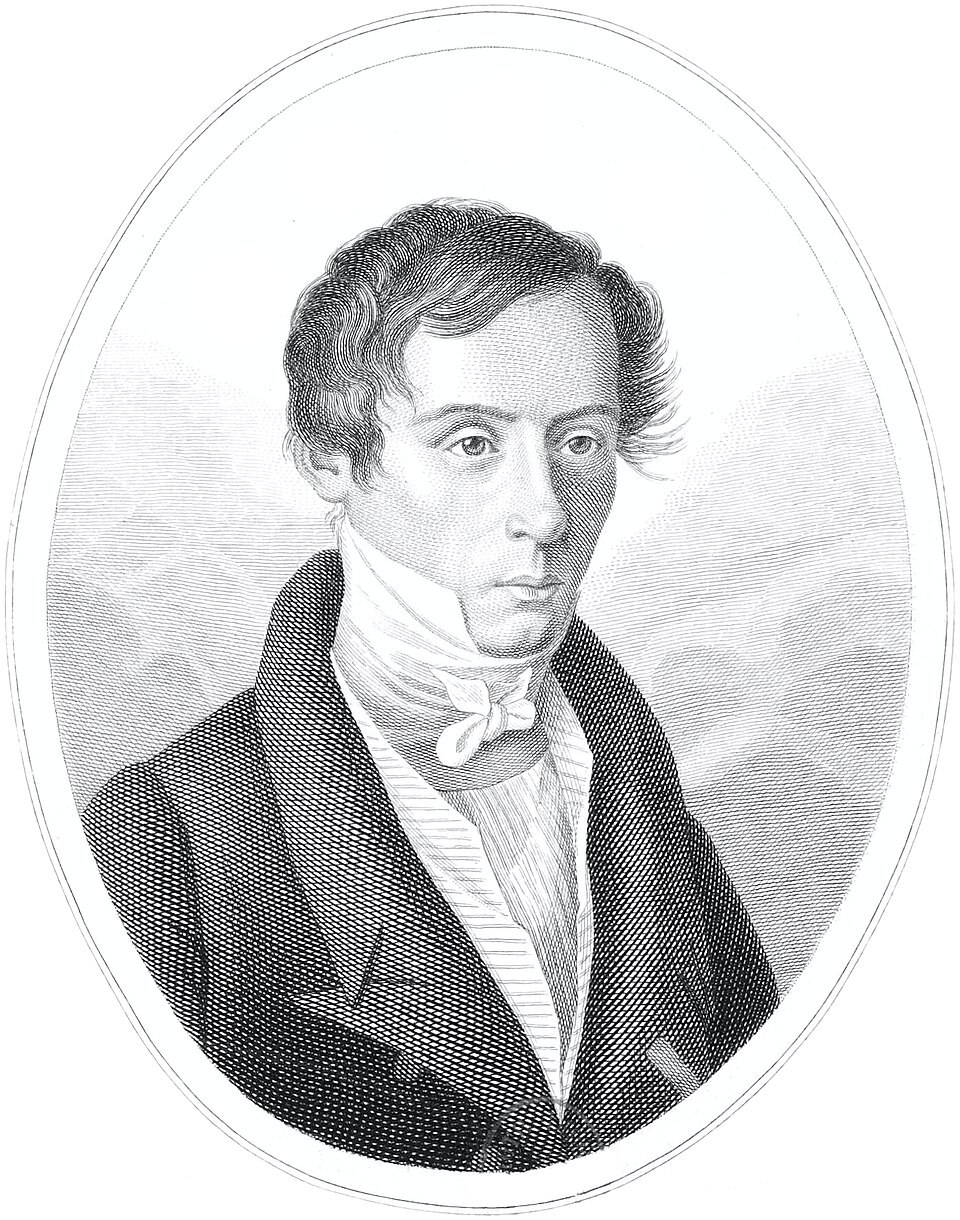
Augustin-Jean Fresnel🔑
1788–1827
Augustin-Jean Fresnel
Researcher
💡 Established the wave theory of light through rigorous mathematical diffraction theory, founding modern wave optics
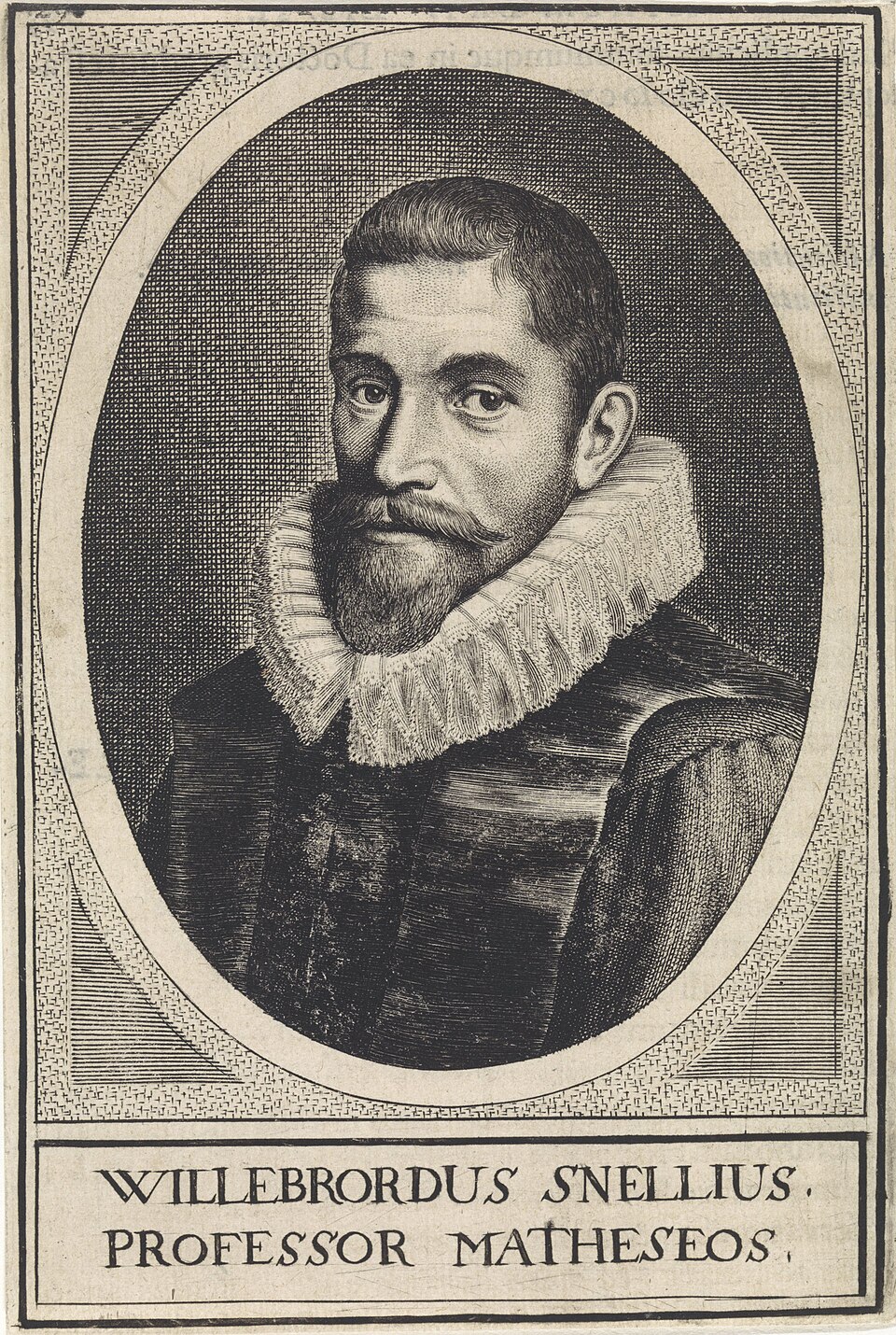
Willebrord Snellius🔑
1580–1626
Willebrord Snellius
Researcher
💡 Formulated Snell's law of refraction, the fundamental relationship governing how waves bend at interfaces between media of different velocities
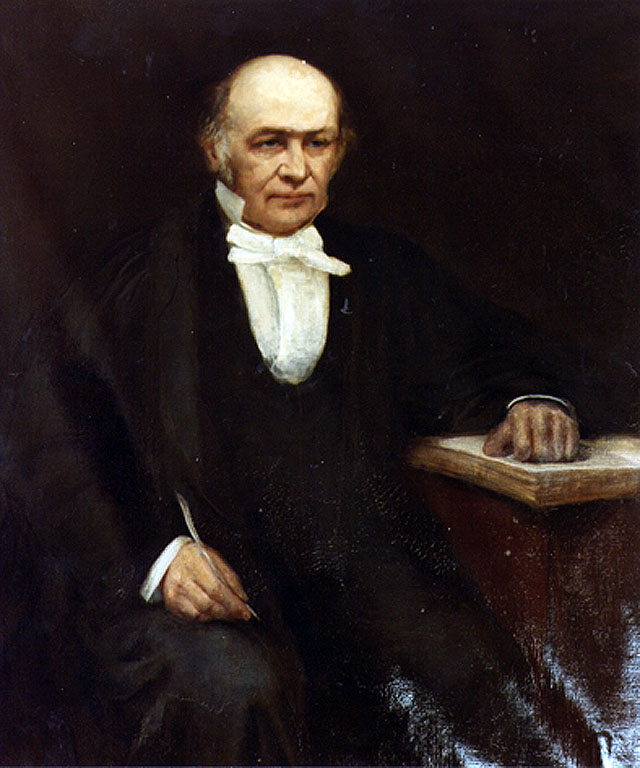
William Rowan Hamilton🔑
1805–1865
William Rowan Hamilton
Researcher
💡 Reformulated classical mechanics through Hamiltonian dynamics and developed the characteristic function theory of optical rays, precursor to the eikonal equation
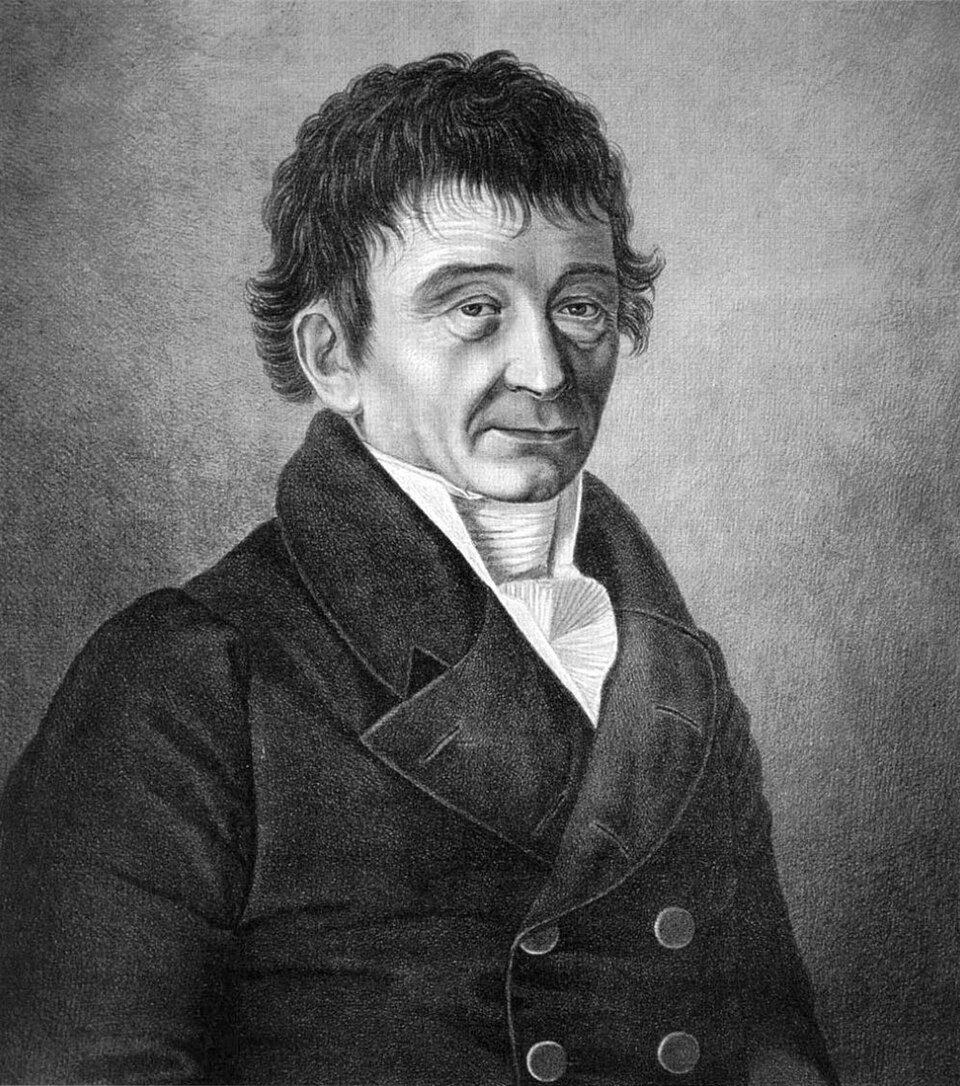
Ernst Chladni🔑
1756–1827
Ernst Chladni
Researcher
💡 Founded modern acoustics, visualizing vibration patterns with 'Chladni figures' and measuring the speed of sound in various gases
Léon Brillouin🔑
1889–1969
Léon Brillouin
Researcher
💡 Advanced wave scattering and dispersion theory, discovering Brillouin scattering and developing the WKB approximation for wave propagation in varying media
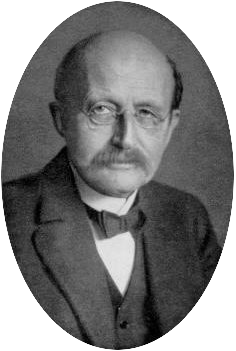
Max Planck🔑
1858–1947
Max Planck
Researcher
💡 Founded quantum theory by proposing energy quantization to explain blackbody radiation, and made foundational contributions to statistical thermodynamics