🎓GeoAcademyGeoVerse Lab
Basic Sciences College

Chemistry Department

The Chemistry Department teaches, through theory and practice, the geochemical processes, mineral reactions, and fluid-rock interactions that underlie energy resource extraction. Students carry out project work in (1) CO2 mineralization kinetics, (2) PHREEQC-based speciation modeling, (3) hydrocarbon PVT behavior calculation, and (4) clay diagenesis interpretation — using these four projects to demonstrate, hands-on, their command of chemical problems in resource and environmental settings.
⚙️ GeoAcademy System Administration College🖥️ AI & Computing Sciences College🔬 Basic Sciences College⚡ Intelligent Geophysical Exploration College🛢️ Resource & Energy Engineering College🌍 Applied Geoscience Solutions College💼 Economics, Policy & Strategy for the Future College🎓 Education & Training Development College🚀 Innovation & International Collaboration College
Mathematics DepartmentPhysics DepartmentChemistry DepartmentBiology DepartmentAtmospheric Sciences DepartmentStratigraphy & Sedimentology DepartmentStructural Geology & Tectonics DepartmentPetrology & Mineralogy DepartmentGeochemistry DepartmentPaleontology & Evolutionary Biology DeptRemote Sensing & Earth Observation DeptHydrogeology & Soil Science DepartmentPhysical Oceanography DepartmentMarine Geology & Geophysics DepartmentChemical Oceanography DepartmentMarine Biology & Ecology Department
Mendeleev🔑
Mendeleev
Chair
💡 Periodic Law, Chemical Thermodynamics & Geochemistry

Researchers (real GeoVerse Lab members) 16

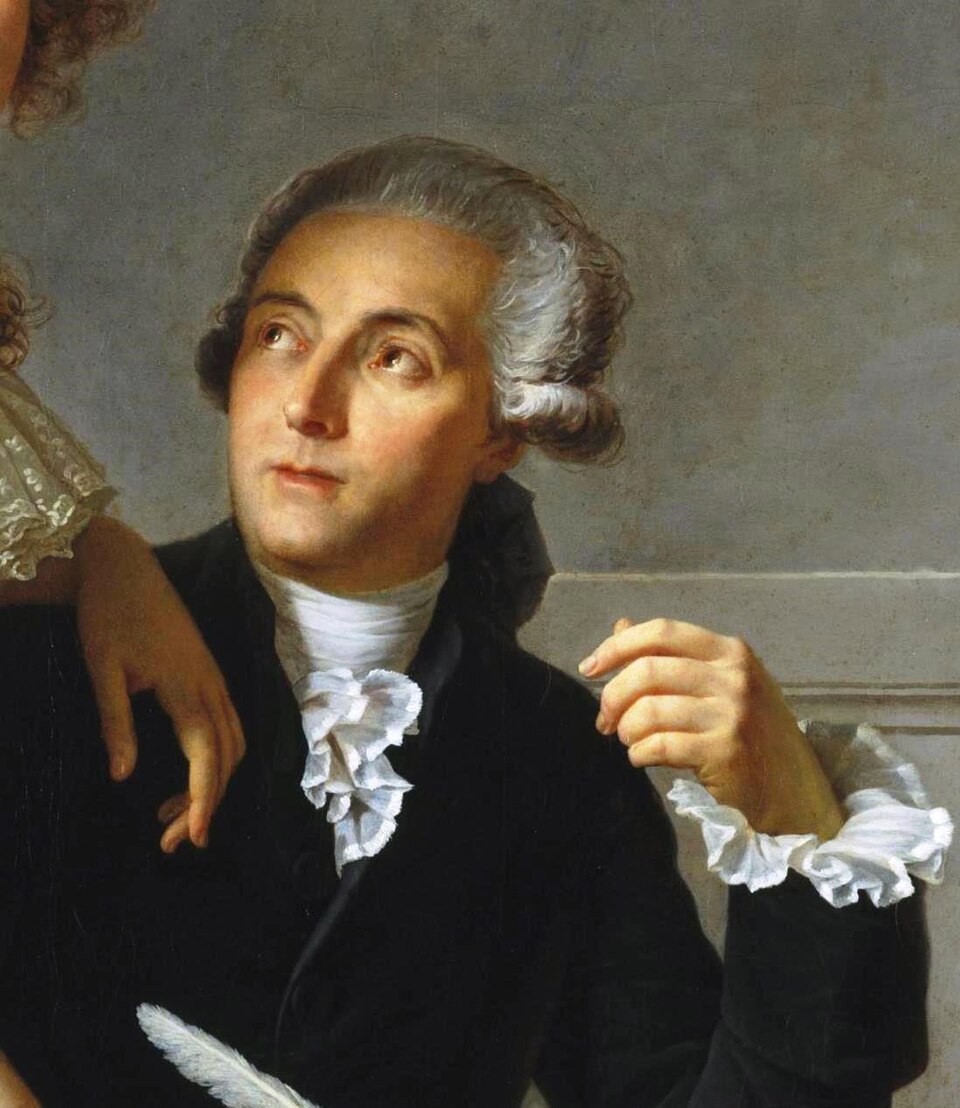
Antoine Lavoisier🔑
1743–1794
Antoine Lavoisier
Researcher
💡 Central figure of the chemical revolution; established the law of conservation of mass and named oxygen and hydrogen
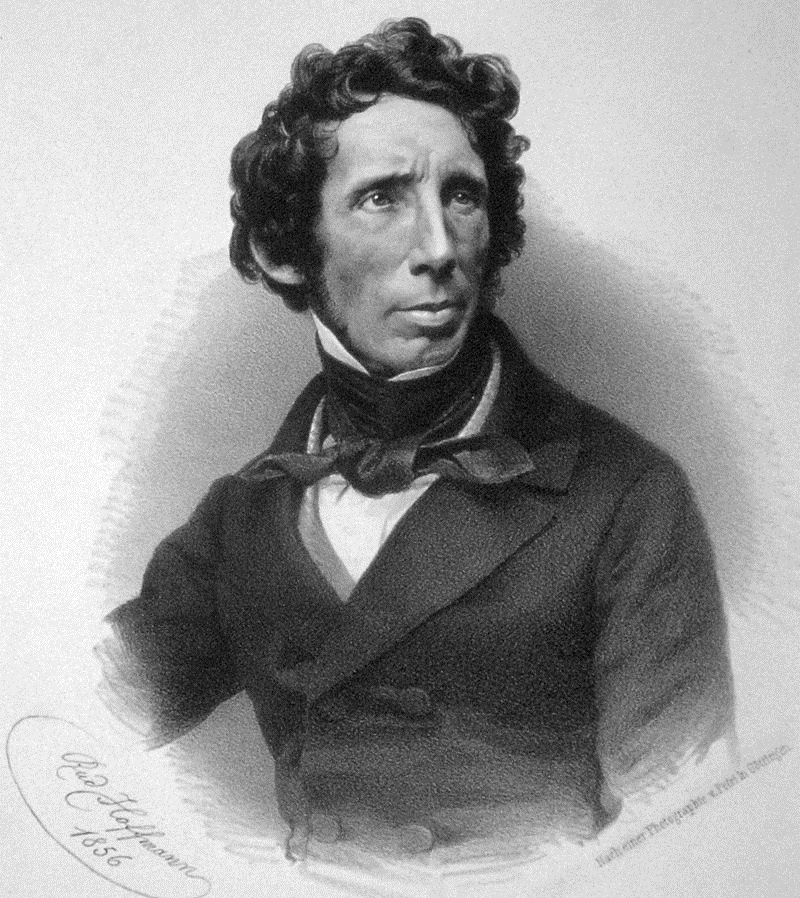
Friedrich Wöhler🔑
1800–1882
Friedrich Wöhler
Researcher
💡 Synthesized urea from inorganic starting materials, disproving vitalism and founding organic chemistry
Peter Debye🔑
1884–1966
Peter Debye
Researcher
💡 Nobel laureate for contributions to molecular structure via dipole moments and X-ray/electron diffraction; Debye-Hückel theory of electrolytes
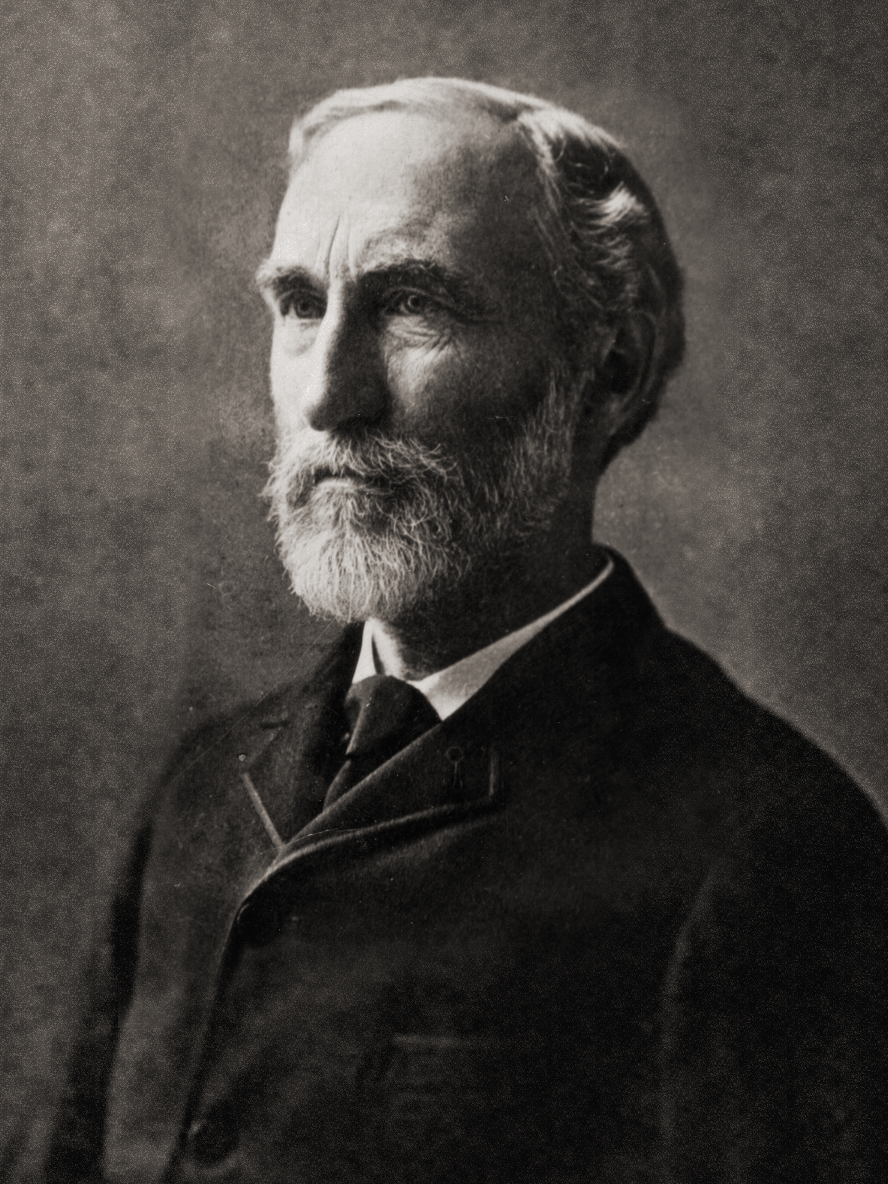
Josiah Willard Gibbs🔑
1839–1903
Josiah Willard Gibbs
Researcher
💡 Founded chemical thermodynamics; defined Gibbs free energy and the phase rule governing chemical equilibrium
Cyril N. Hinshelwood🔑
1897–1967
Cyril N. Hinshelwood
Researcher
💡 Nobel laureate for elucidating chain reaction mechanisms in chemical kinetics
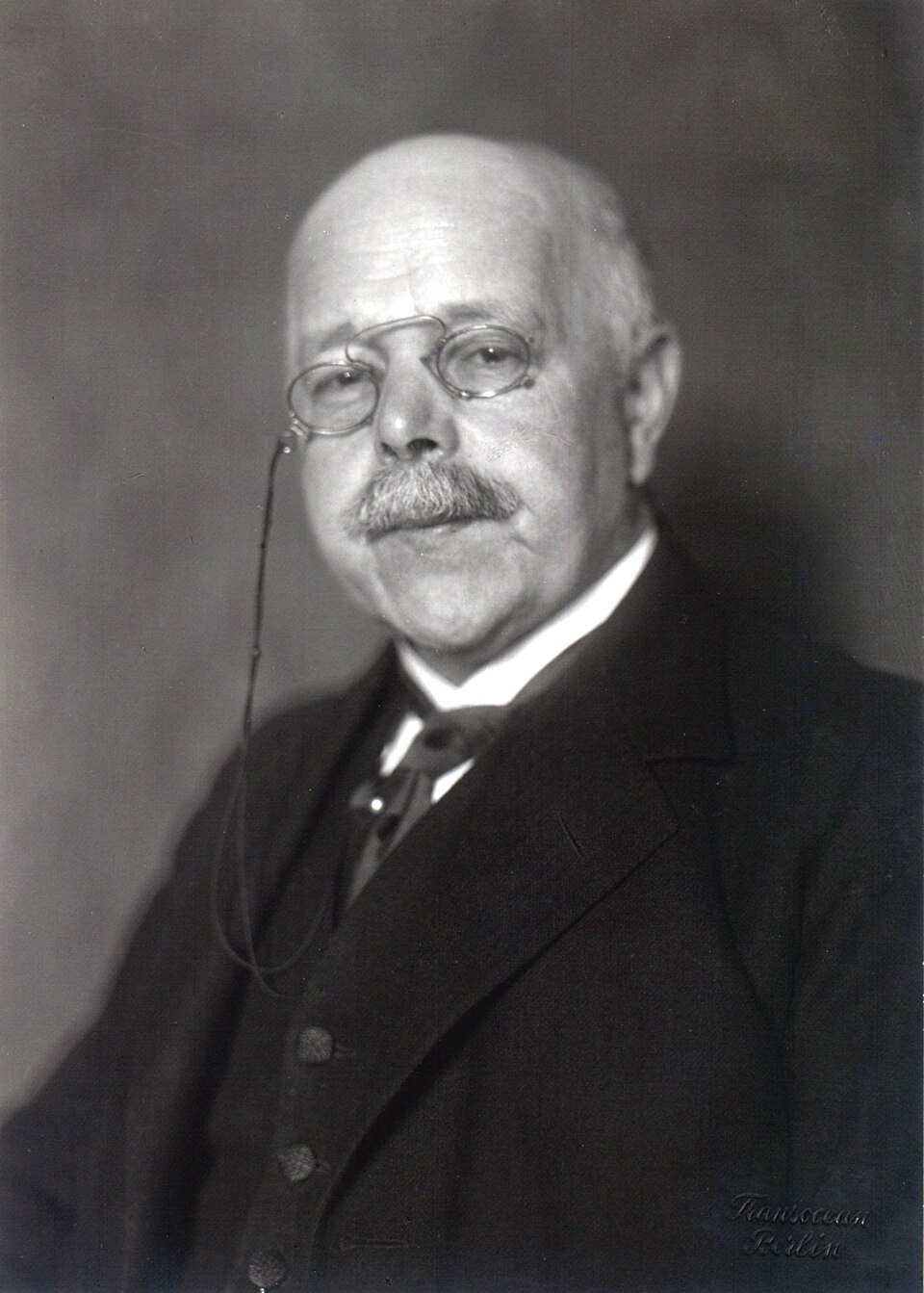
Walther Nernst🔑
1864–1941
Walther Nernst
Researcher
💡 Developed the Nernst equation for electrochemical cell potential and the Nernst heat theorem (third law of thermodynamics); Nobel Prize 1920
Robert Bunsen🔑
1811–1899
Robert Bunsen
Researcher
💡 Co-founded spectroscopic chemical analysis with Kirchhoff, discovering caesium and rubidium; devised the Bunsen burner
Gustav Kirchhoff🔑
1824–1887
Gustav Kirchhoff
Researcher
💡 Founded spectroscopy with Bunsen and established Kirchhoff's law of thermal radiation, coining the term 'black body'
Carl Bosch🔑
1874–1940
Carl Bosch
Researcher
💡 Pioneered industrial-scale high-pressure catalytic chemistry, scaling the Haber ammonia synthesis process to industrial production; Nobel Prize 1931
Paul Flory🔑
1910–1985
Paul Flory
Researcher
💡 Nobel laureate for theoretical and experimental contributions to the physical chemistry of polymers/macromolecules
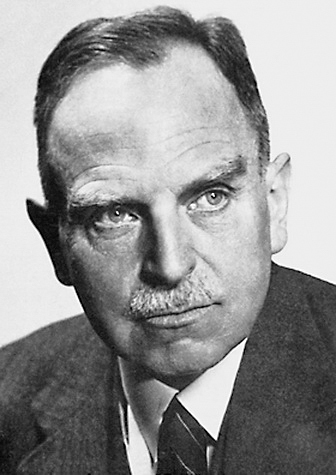
Otto Hahn🔑
1879–1968
Otto Hahn
Researcher
💡 Father of nuclear chemistry; discovered nuclear fission and pioneered rubidium-strontium radiometric dating
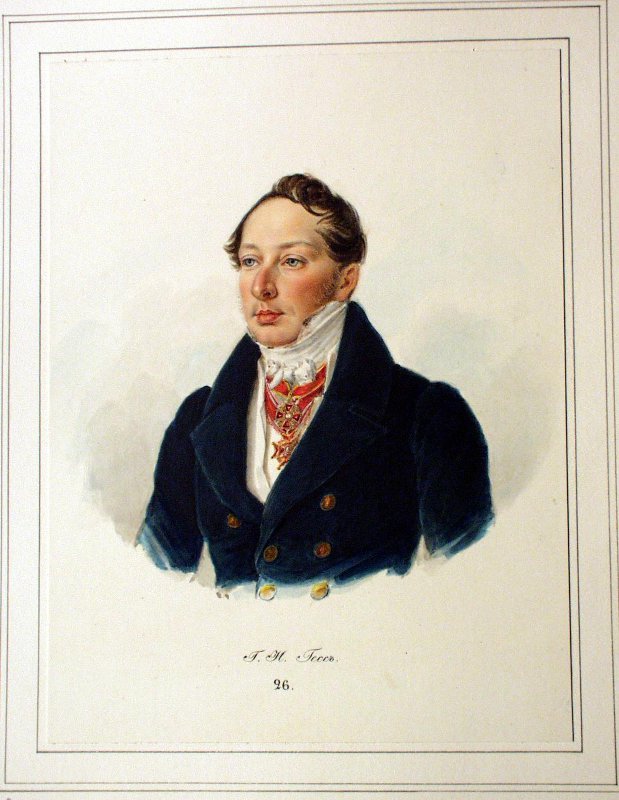
Germain Henri Hess🔑
1802–1850
Germain Henri Hess
Researcher
💡 Formulated Hess's law, the founding principle of thermochemistry stating reaction enthalpy is independent of pathway
🧑‍🔬
🔑
1912–1991
Preston Cloud
Researcher
💡 Identified mineralogical evidence of the Great Oxidation Event, linking banded iron formations and sedimentary mineralogy to atmospheric/ocean chemical evolution
🧑‍🔬
🔑
1879–1958
Niels Bjerrum
Researcher
💡 Advanced the theory of ion association and activity coefficients in electrolyte solutions, foundational to aqueous chemical speciation modeling
🧑‍🔬
🔑
1896–1978
Otto Redlich
Researcher
💡 Developed the Redlich-Kwong equation of state, a foundational tool for predicting hydrocarbon phase behavior
🧑‍🔬
🔑
1904–1999
Francis J. Pettijohn
Researcher
💡 Wrote the standard textbook 'Sedimentary Rocks', establishing systematic classification and chemical diagenesis of clastic sedimentary rocks including clay-rich shales