🎓GeoAcademyGeoVerse Lab
Basic Sciences College

Atmospheric Sciences Department

The Atmospheric Sciences Department trains students to read atmospheric dynamics and weather systems by working hands-on with both observational data and numerical weather prediction (NWP) modeling. Students reproduce frontal theory and cyclogenesis through ensemble-forecast simulation and extend these results into climate-variability analysis. Graduates can independently design and carry out the full pipeline from observation through modeling to forecasting.
⚙️ GeoAcademy System Administration College🖥️ AI & Computing Sciences College🔬 Basic Sciences College⚡ Intelligent Geophysical Exploration College🛢️ Resource & Energy Engineering College🌍 Applied Geoscience Solutions College💼 Economics, Policy & Strategy for the Future College🎓 Education & Training Development College🚀 Innovation & International Collaboration College
Mathematics DepartmentPhysics DepartmentChemistry DepartmentBiology DepartmentAtmospheric Sciences DepartmentStratigraphy & Sedimentology DepartmentStructural Geology & Tectonics DepartmentPetrology & Mineralogy DepartmentGeochemistry DepartmentPaleontology & Evolutionary Biology DeptRemote Sensing & Earth Observation DeptHydrogeology & Soil Science DepartmentPhysical Oceanography DepartmentMarine Geology & Geophysics DepartmentChemical Oceanography DepartmentMarine Biology & Ecology Department
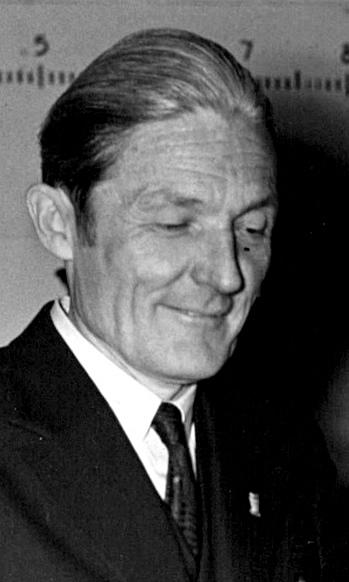
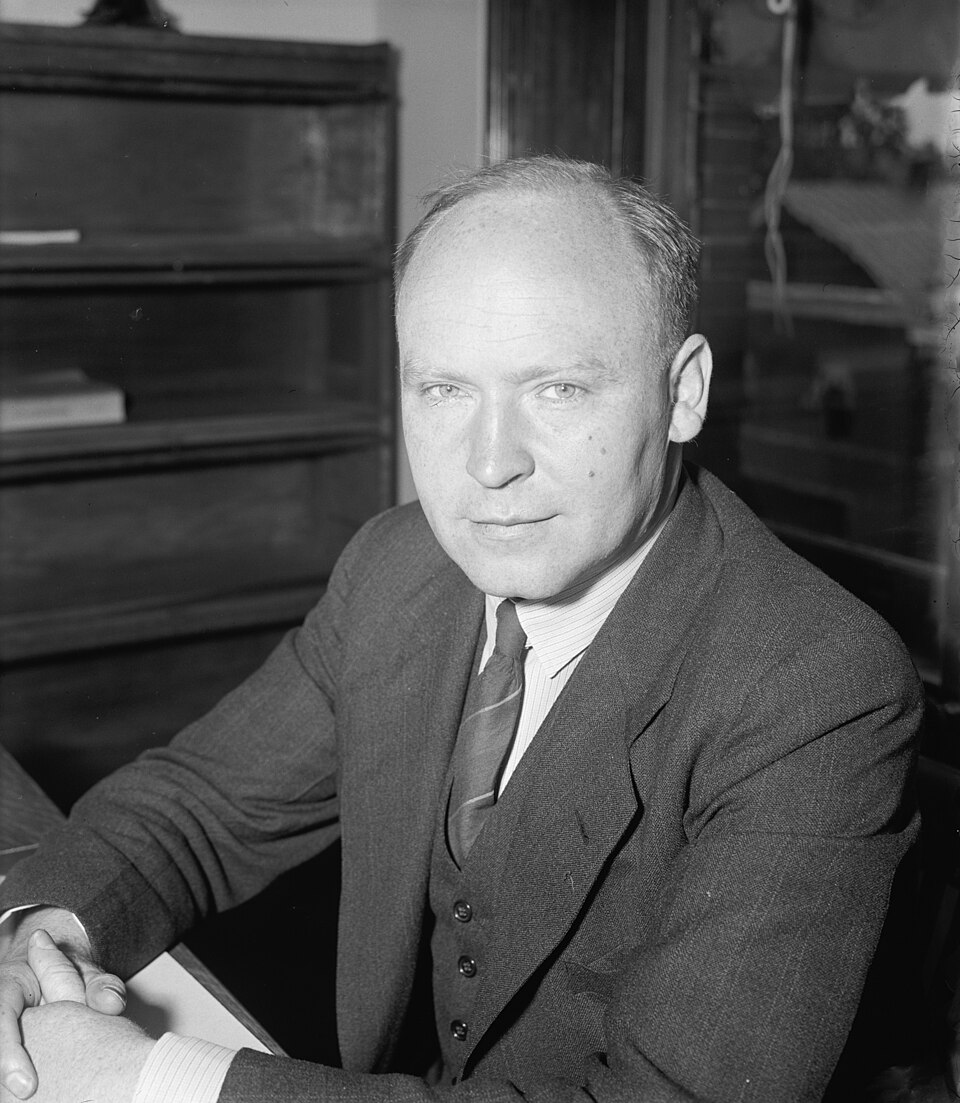
Bjerknes🔑
Bjerknes
Chair
💡 atmospheric_dynamics

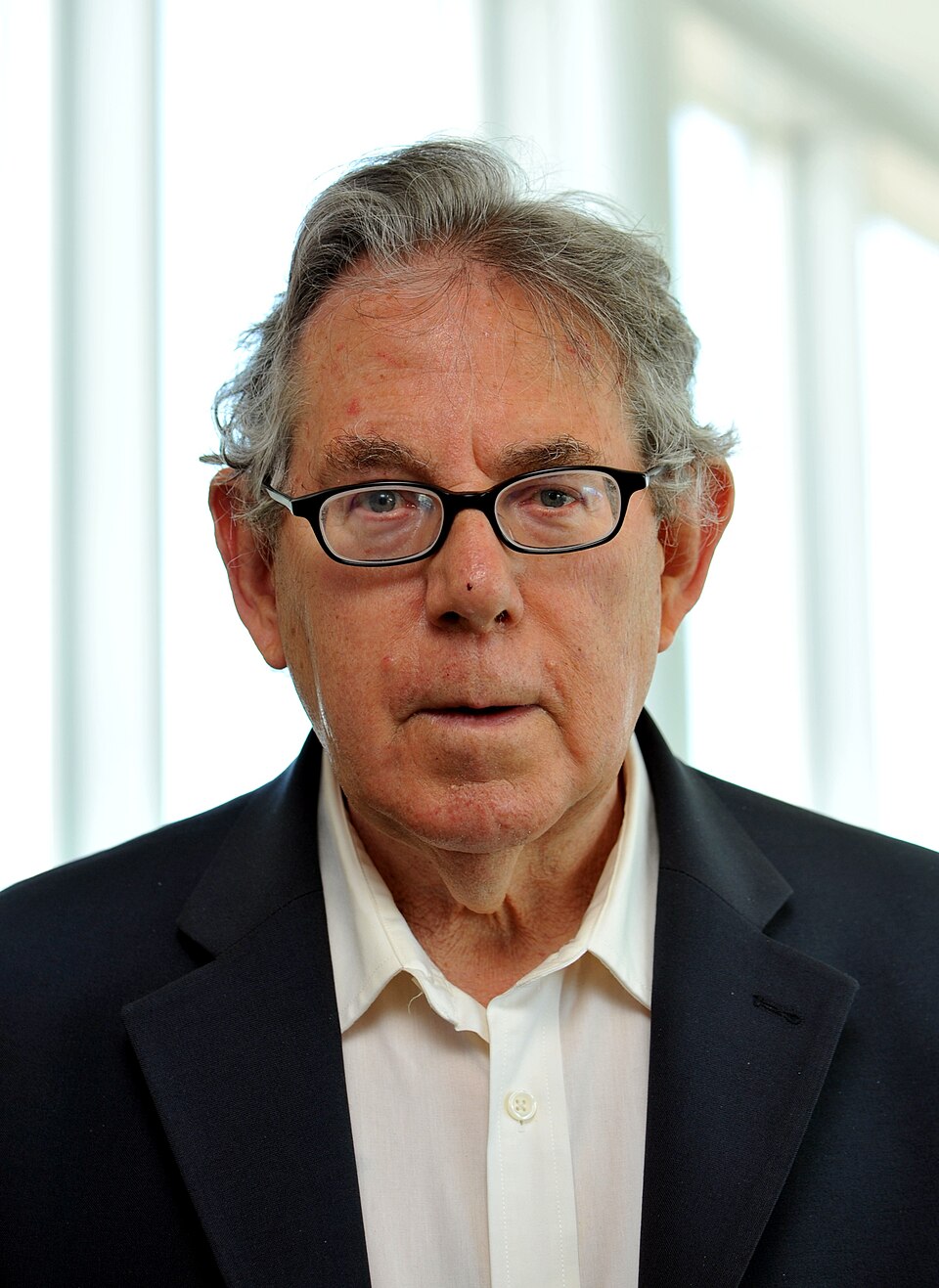
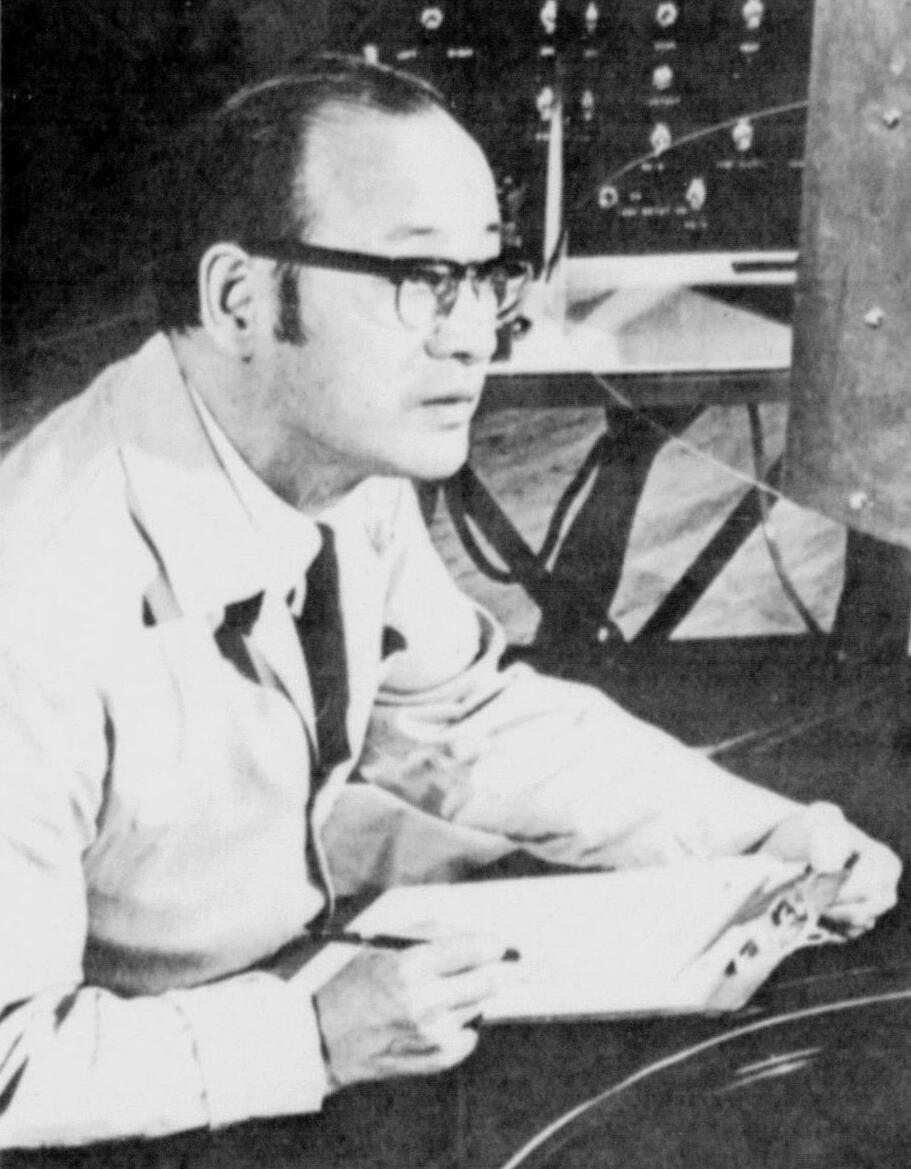
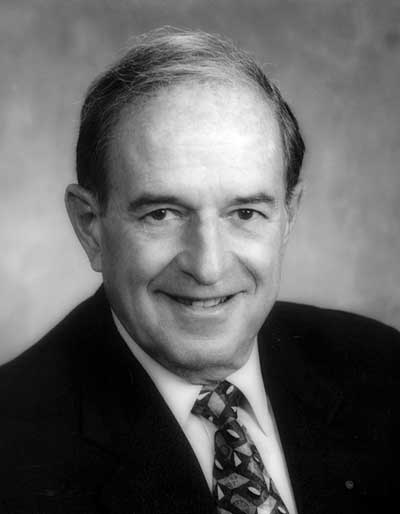
Researchers (real GeoVerse Lab members) 14

Carl-Gustaf Rossby🔑
1898–1957
Carl-Gustaf Rossby
Researcher
💡 Identified and characterized the jet stream and the long planetary waves in the westerlies now called Rossby waves
Jule Charney🔑
1917–1981
Jule Charney
Researcher
💡 Devised the quasi-geostrophic filtering theory that made the first successful numerical weather forecast (ENIAC, 1950) possible
Tor Bergeron🔑
1891–1977
Tor Bergeron
Researcher
💡 Co-developed the Bergeron-Findeisen process explaining precipitation formation via ice-crystal/supercooled-droplet interaction, and pioneered synoptic air-mass and frontal analysis at the Bergen School
🧑‍🔬
🔑
1914–1997
Bernard Vonnegut
Researcher
💡 Discovered that silver iodide could nucleate ice crystals and be used for cloud seeding to induce snow and rain
🧑‍🔬
🔑
1920–2004
Gilbert Plass
Researcher
💡 Calculated the radiative effect of rising atmospheric CO2 on global temperature using quantitative infrared radiative transfer, closely anticipating later measured warming
Paul Crutzen🔑
1933–2021
Paul Crutzen
Researcher
💡 Nobel Prize (1995) for explaining the formation and decomposition of atmospheric ozone; popularized the term 'Anthropocene'
🧑‍🔬
🔑
1921–2007
Andrei Monin
Researcher
💡 Co-developed Monin-Obukhov similarity theory, the foundational statistical framework for atmospheric boundary-layer turbulence
🧑‍🔬
🔑
1915–1997
Herbert Riehl
Researcher
💡 Widely regarded as the father of tropical meteorology; identified 'hot towers' and their role in transporting energy poleward via the Hadley circulation
Tetsuya Theodore Fujita🔑
1920–1998
Tetsuya Theodore Fujita
Researcher
💡 Created the Fujita scale of tornado intensity and discovered downbursts/microbursts
David Atlas🔑
1924–2015
David Atlas
Researcher
💡 Pioneer of radar meteorology, developing quantitative radar-reflectivity methods for precipitation and severe storm observation
🧑‍🔬
🔑
1915–1995
Verner Suomi
Researcher
💡 Considered the father of satellite meteorology; invented the Spin Scan Camera/Radiometer used on operational geostationary weather satellites
Edward Lorenz🔑
1917–2008
Edward Lorenz
Researcher
💡 Founded modern chaos theory and established the theoretical basis of weather/climate predictability limits ('butterfly effect')
🧑‍🔬
🔑
1922–1995
Cesare Emiliani
Researcher
💡 Founder of paleoceanography; developed the marine oxygen-isotope stage timescale of Pleistocene climate cycles
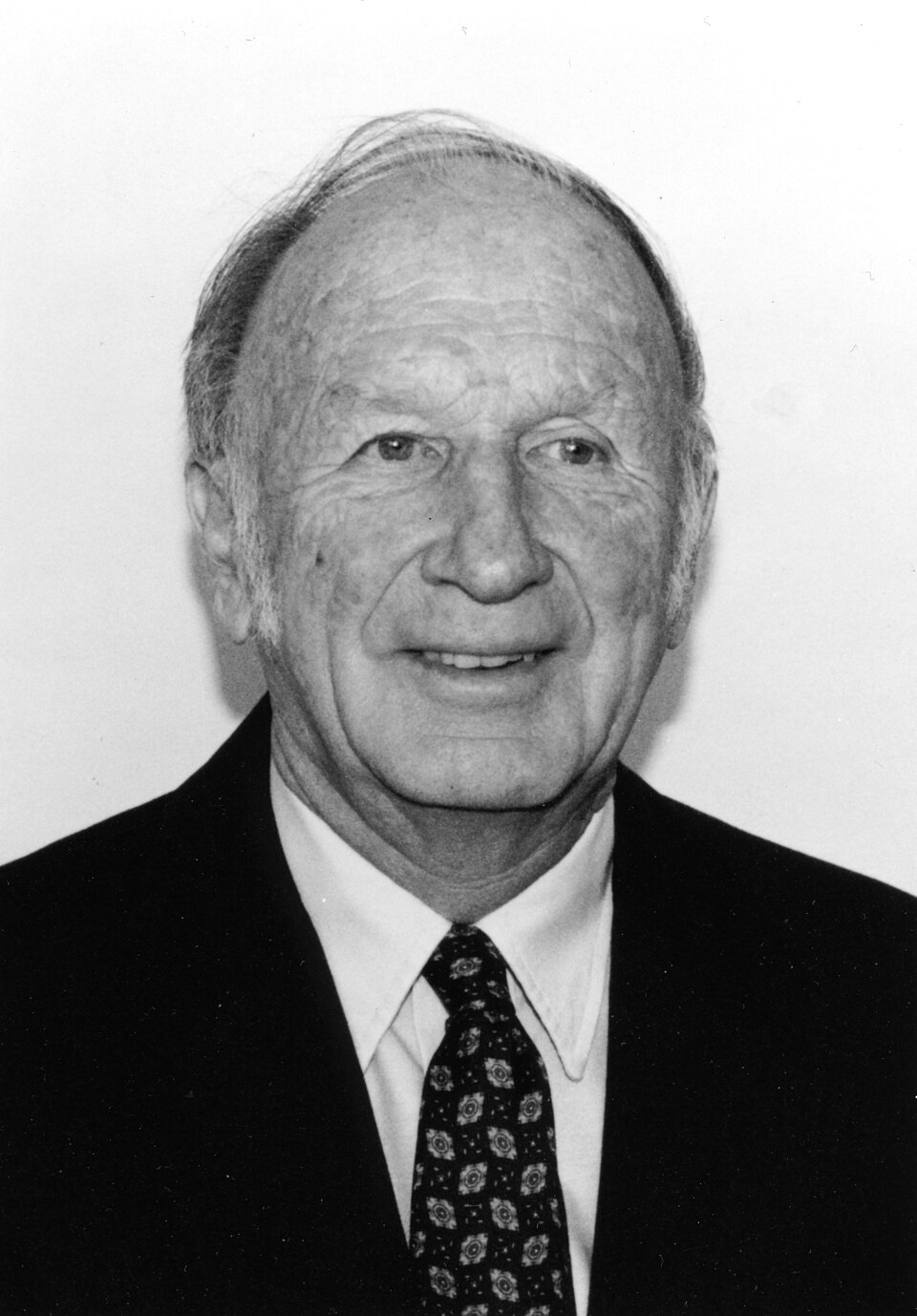
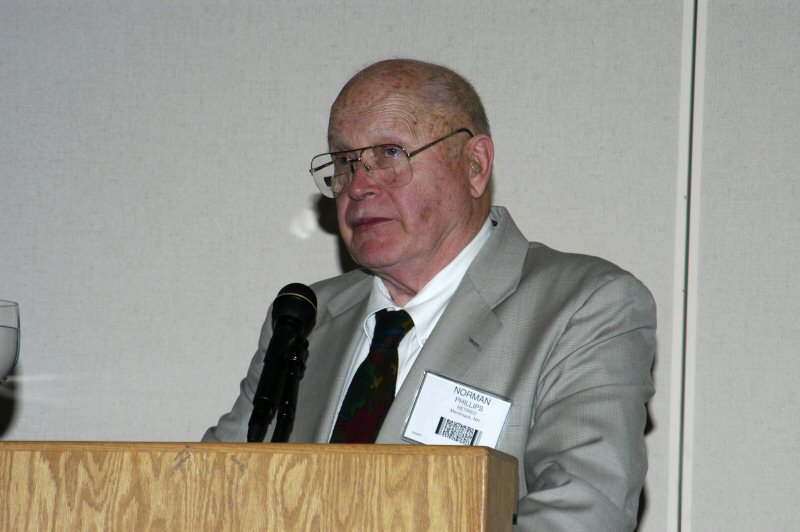
Norman A. Phillips🔑
1923–2019
Norman A. Phillips
Researcher
💡 Built the first successful general circulation model of the atmosphere (1956), simulating monthly/seasonal tropospheric patterns