🎓GeoAcademyGeoVerse Lab
Resource & Energy Engineering College

Nuclear Energy Engineering Department

The Nuclear Energy Engineering Department covers the geological dimension of the nuclear fuel cycle, training students in the safety disciplines spanning uranium exploration through deep-repository siting. Students learn to trace contaminant behavior through radionuclide-transport modeling and to evaluate a repository site's safety over tens of thousands of years using long-term geologic-stability simulation. By graduation, students are equipped to make substantive contributions to the safety assessment and siting of nuclear-waste isolation facilities.
⚙️ GeoAcademy System Administration College🖥️ AI & Computing Sciences College🔬 Basic Sciences College⚡ Intelligent Geophysical Exploration College🛢️ Resource & Energy Engineering College🌍 Applied Geoscience Solutions College💼 Economics, Policy & Strategy for the Future College🎓 Education & Training Development College🚀 Innovation & International Collaboration College
Well & Production Engineering DepartmentRock Mechanics & Geomechanics DepartmentGeothermal Energy Engineering DepartmentHydrogen Energy & Storage DepartmentCarbon Engineering DepartmentMining Engineering DepartmentNuclear Energy Engineering DepartmentReservoir Modeling & Recovery Department
Fermi🔑
Fermi
Chair
💡 Nuclear Physics & Reactor Engineering

Researchers (real GeoVerse Lab members) 19

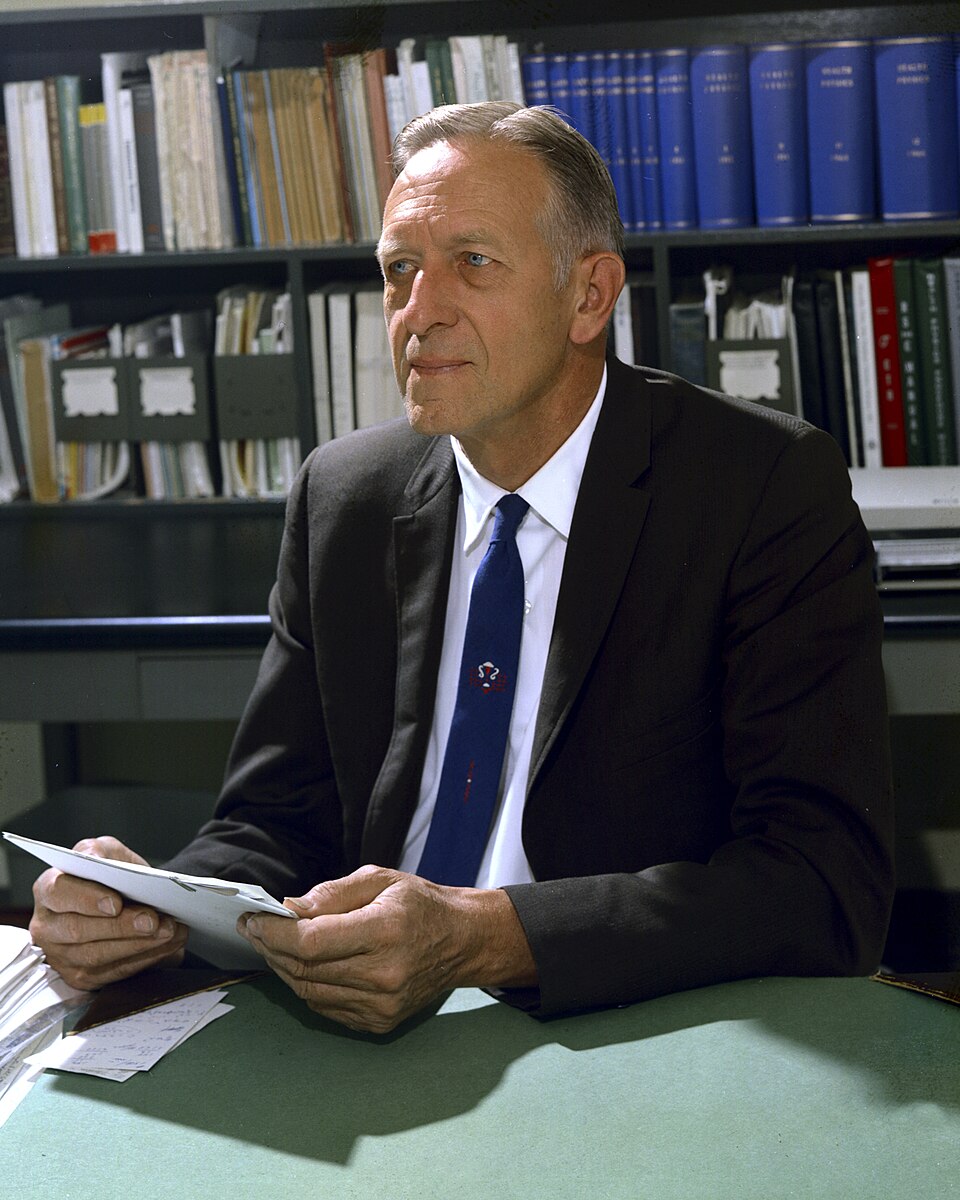
Charles A. Steen🔑
1919–2006
Charles A. Steen
Researcher
💡 Discovered the Mi Vida uranium deposit near Moab, Utah (1952), a discovery that reshaped US uranium ore-genesis models (unconformity/roll-front style deposits) and sparked the Colorado Plateau uranium boom
Hans Geiger🔑
1882–1945
Hans Geiger
Researcher
💡 Co-invented the Geiger-Muller counter (1928), the foundational instrument for detecting and measuring radioactivity, later adapted into scintillometers and portable survey instruments used in uranium exploration
Alfred Nier🔑
1911–1994
Alfred Nier
Researcher
💡 First precisely measured the isotopic composition of uranium (235U/238U ratio, 1939) using a purpose-built mass spectrometer, work foundational to both uranium geochronology and the recognition of fissile 235U
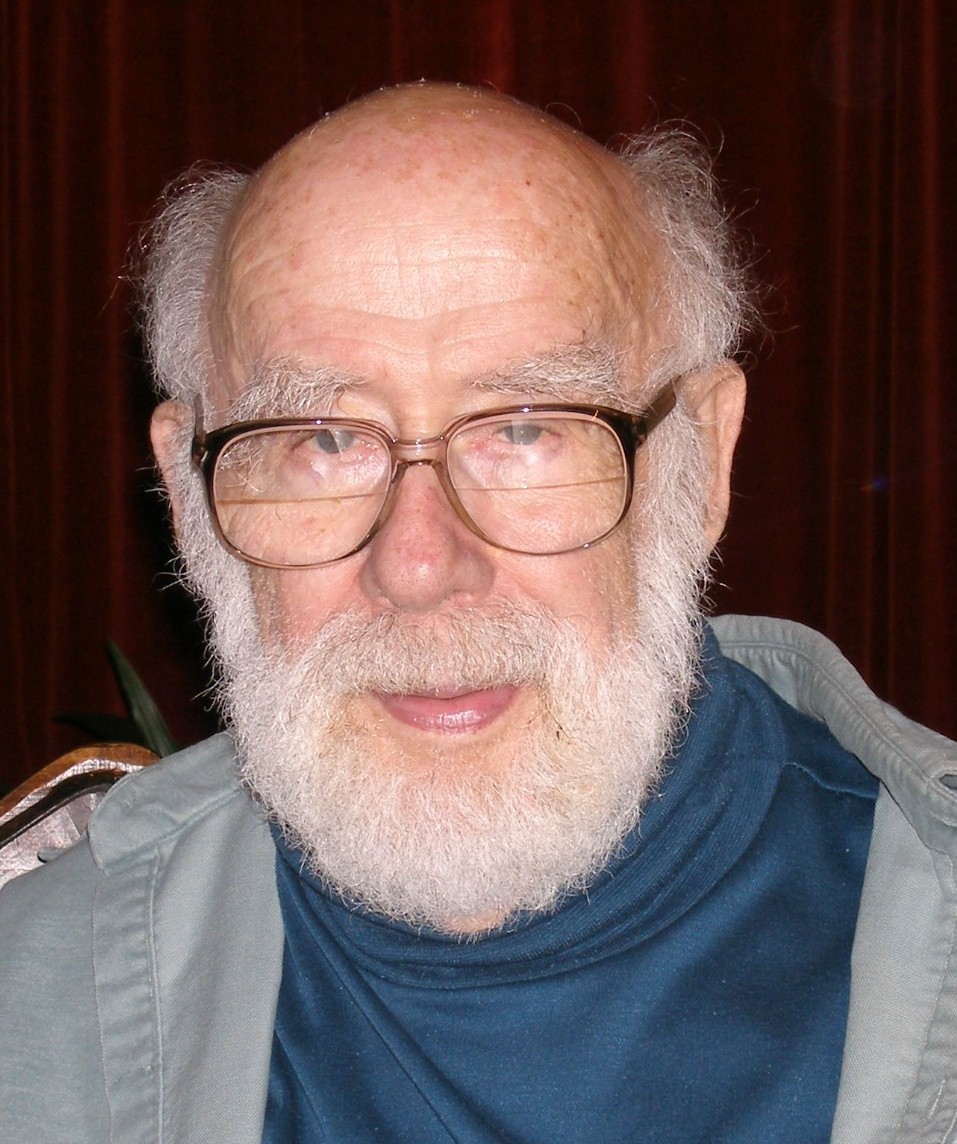
🧑‍🔬
🔑
1933–2023
John Bredehoeft
Researcher
💡 USGS hydrogeologist who authored foundational earth-science assessments of geologic disposal of high-level radioactive waste and chaired National Academy of Sciences reviews of the Yucca Mountain repository program
🧑‍🔬
🔑
1917–1998
Hans Ramberg
Researcher
💡 Pioneered centrifuge analog modeling of salt tectonics and gravity-driven deformation of the crust, establishing the rheological framework for understanding salt-body flow behavior
🧑‍🔬
🔑
1917–1991
Georges Millot
Researcher
💡 Authored the foundational treatise Geology of Clays (1964/1970), establishing the systematic mineralogical and sedimentological framework used to characterize clay/claystone formations such as those studied as repository host rocks
🧑‍🔬
🔑
1898–1974
Ernst Cloos
Researcher
💡 Pioneered systematic structural analysis of granite plutons — primary igneous flow structures, lineation, and fracture/joint patterns — establishing methods used to characterize crystalline basement rock
🧑‍🔬
🔑
1880–1975
Clarence S. Ross
Researcher
💡 Co-authored the foundational 1926 study establishing the mineralogical definition and volcanic-ash alteration origin of bentonite, the montmorillonite clay now used worldwide as engineered-barrier buffer material in nuclear waste repositories
🧑‍🔬
🔑
1904–1998
Marcel Pourbaix
Researcher
💡 Invented the Pourbaix (potential-pH) diagram, the standard electrochemical stability-mapping tool used to predict corrosion behavior of metals, including nuclear waste canister materials, in aqueous environments
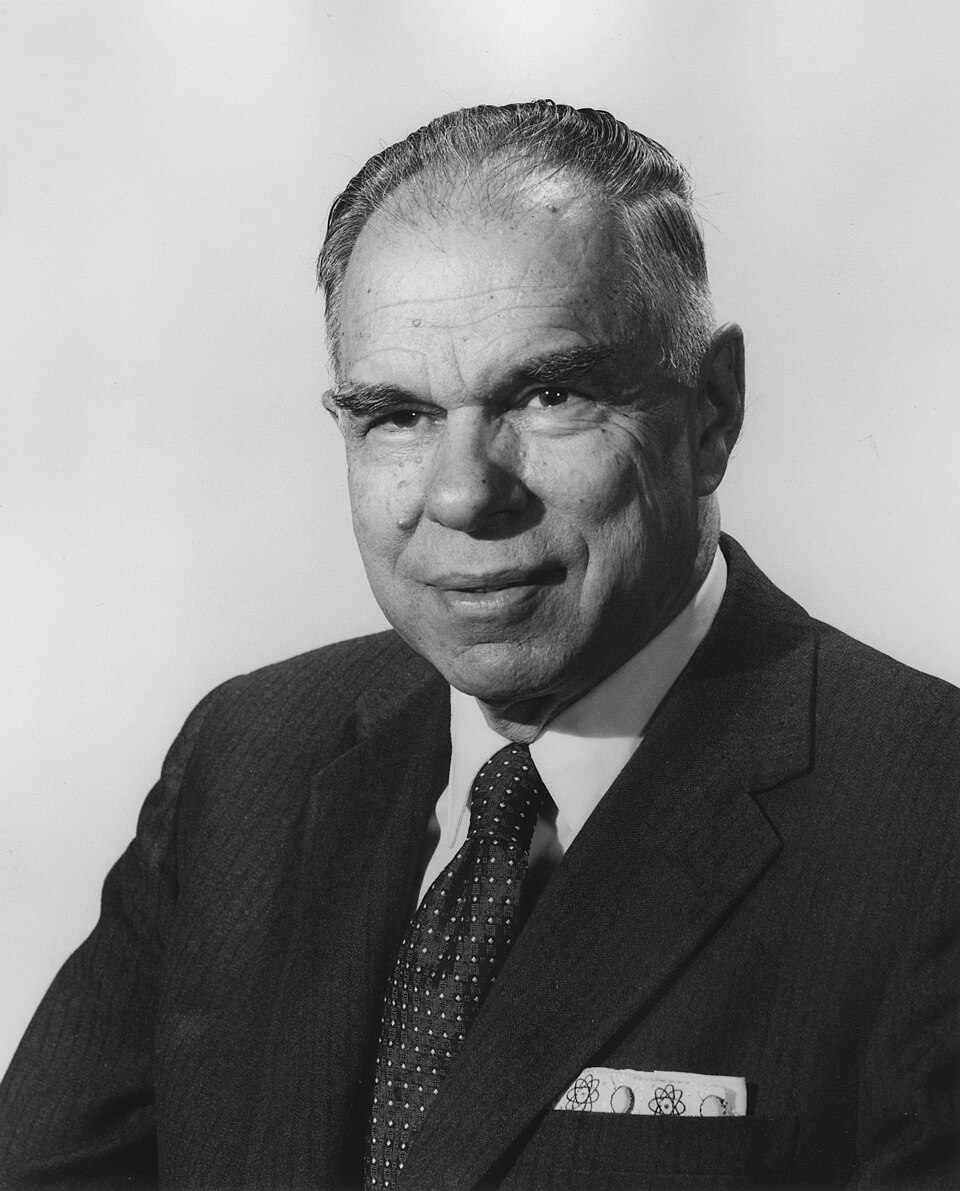
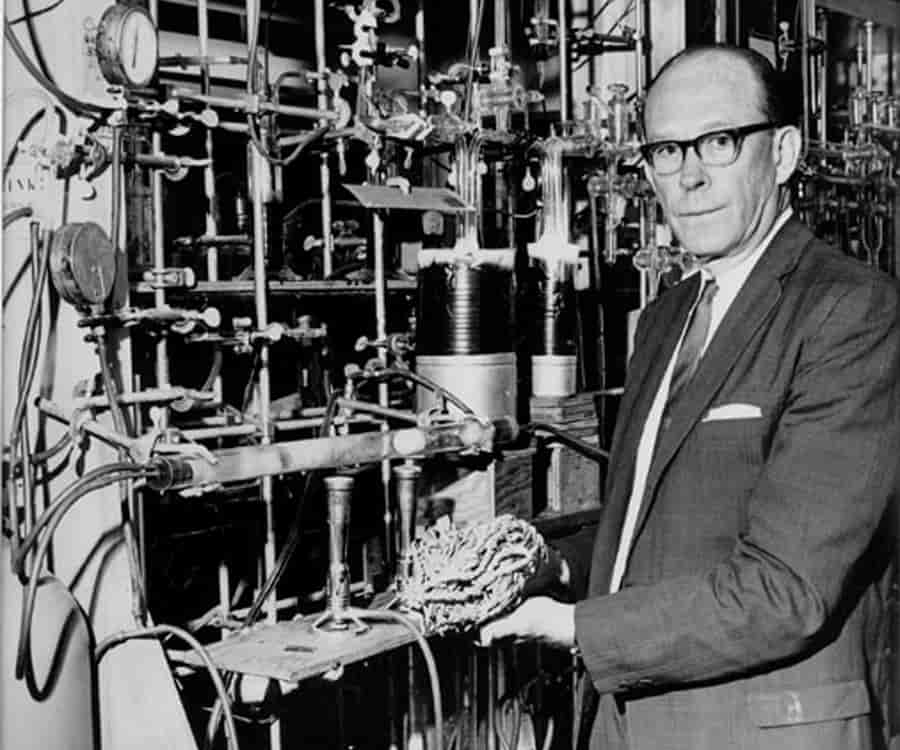
Glenn T. Seaborg🔑
1912–1999
Glenn T. Seaborg
Researcher
💡 Co-discovered plutonium and eight other transuranic elements, and established the actinide concept placing these elements in the periodic table — the foundational chemistry describing how actinide radionuclides speciate and behave in aqueous environments
🧑‍🔬
🔑
1922–2010
Thomas Pigford
Researcher
💡 Co-founded the academic discipline of nuclear waste management engineering and developed analytical models for radionuclide release from repositories, foundational to modern total system performance assessment methodology
🧑‍🔬
🔑
1926–2012
William F. Brace
Researcher
💡 Experimentally established how permeability, effective stress, and pore pressure interact in crystalline rock under high confining pressure, foundational to coupled hydro-mechanical modeling of repository near-field rock
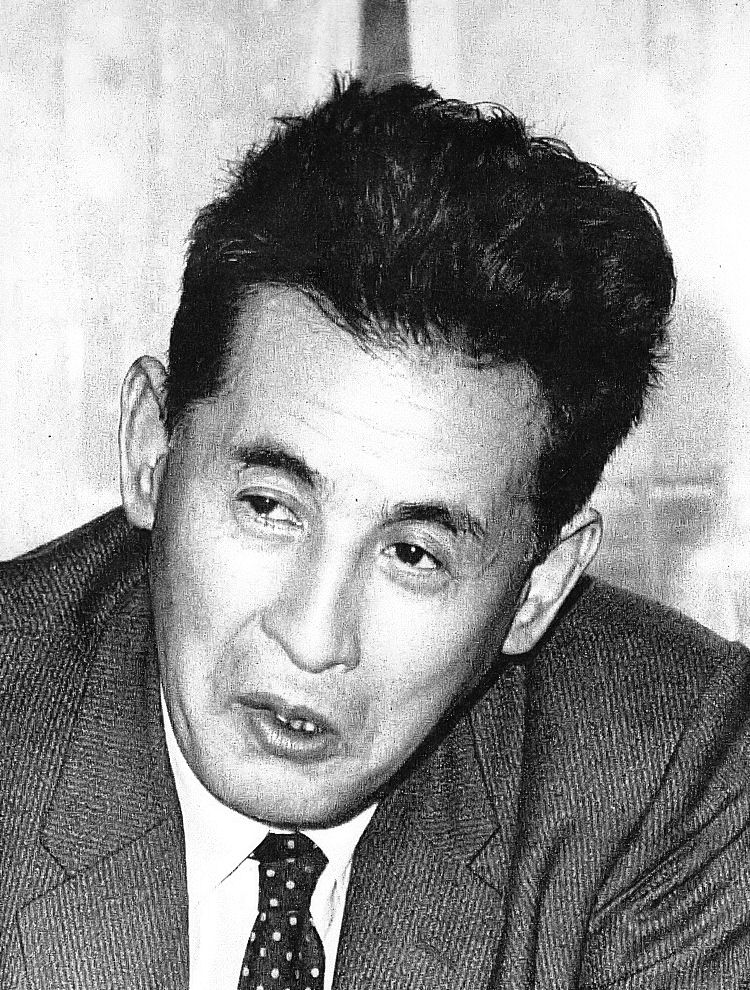
Kiyoo Wadati🔑
1902–1995
Kiyoo Wadati
Researcher
💡 Discovered the systematic distribution of deep-focus earthquakes along inclined seismic zones (the Wadati-Benioff zone), foundational to understanding long-term regional seismotectonic structure
🧑‍🔬
🔑
1903–1992
Ruth Terzaghi
Researcher
💡 Identified systematic sampling and orientation biases in rock joint/discontinuity surveys, establishing rigorous methodology for characterizing rock-mass structure used in subsurface site investigation
George A. Cowan🔑
1920–2012
George A. Cowan
Researcher
💡 Led the American scientific analysis explaining the Oklo phenomenon in Gabon as a natural, self-sustaining nuclear fission reactor that operated roughly 1.7 billion years ago, and used it to validate long-term fission-product retention in the host rock
Karl Z. Morgan🔑
1907–1999
Karl Z. Morgan
Researcher
💡 Founded the discipline of health physics at Oak Ridge National Laboratory, establishing the radiation-protection survey methods used to characterize and manage residual contamination at nuclear fuel-cycle facilities
🧑‍🔬
🔑
1924–2010
Rustum Roy
Researcher
💡 Prominent materials scientist who argued for matching radioactive waste-form technology (ceramics/synthetic-rock alternatives to borosilicate glass) to the specific hazard classification of the waste being immobilized
John Gofman🔑
1918–2007
John Gofman
Researcher
💡 Co-discovered protactinium-232, uranium-232, and uranium-233, and later became a leading and controversial researcher on the health effects of low-level environmental radioactive contamination, including from uranium milling and mining
Willard Libby🔑
1908–1980
Willard Libby
Researcher
💡 Invented radiocarbon (14C) dating (1949), the foundational isotopic method later adapted to determine groundwater residence times used in assessing the long-term hydrogeologic stability of repository sites