🎓GeoAcademyGeoVerse Lab
AI & Computing Sciences College

Natural Language Processing Department

The Natural Language Processing Department teaches the technologies behind extracting and processing textual knowledge - geoscience-specific LLMs (GeoLLM), named entity recognition for geological terms, semantic search over publications, and automated report generation from well logs. Students build systems that automatically extract and structure information from vast scientific literature and field records, gaining hands-on experience constructing domain-specific NLP models. Graduates can design and implement intelligent document-processing systems that turn unstructured geoscience text into structured knowledge.
⚙️ GeoAcademy System Administration College🖥️ AI & Computing Sciences College🔬 Basic Sciences College⚡ Intelligent Geophysical Exploration College🛢️ Resource & Energy Engineering College🌍 Applied Geoscience Solutions College💼 Economics, Policy & Strategy for the Future College🎓 Education & Training Development College🚀 Innovation & International Collaboration College
Machine Learning DepartmentComputer Vision DepartmentNatural Language Processing DepartmentHigh-Performance Computing DepartmentQuantum Computing DepartmentGenerative AI & Foundation Models CenterReinforcement Learning & Agents CenterAI Safety & Alignment CenterAI for Science CenterRobotics & Embodied AI Center
🤖
🔑
Chomsky
Chair
💡 Computational Linguistics & Natural Language Processing

Researchers (real GeoVerse Lab members) 14

Emil Leon Post🔑
1897–1954
Emil Leon Post
Researcher
💡 Invented Post canonical systems (production rule rewriting systems), the exact formal mechanism later adopted by Chomsky to define formal grammars — the mathematical foundation of all syntactic parsing algorithms used in NLP pipelines
🧑‍🔬
🔑
1930–1971
Richard Montague
Researcher
💡 Founded Montague grammar, treating natural language semantics with the same mathematical rigor as formal logic via compositional truth-conditional interpretation, directly foundational to formal and computational semantic parsing in NLP
🧑‍🔬
🔑
1915–1975
Yehoshua Bar-Hillel
Researcher
💡 Pioneered machine translation research and formalized categorial grammar, while also rigorously identifying the semantic ambiguity limits of purely syntactic MT — foundational cautionary and formal groundwork still relevant to modern MT system design
🧑‍🔬
🔑
1932–2010
Frederick Jelinek
Researcher
💡 Founded statistical, data-driven speech recognition (rejecting linguistic rule-based approaches in favor of hidden Markov models trained on data — 'every time I fire a linguist, the performance of the speech recognizer goes up'), directly foundational to statistical and neural language modeling
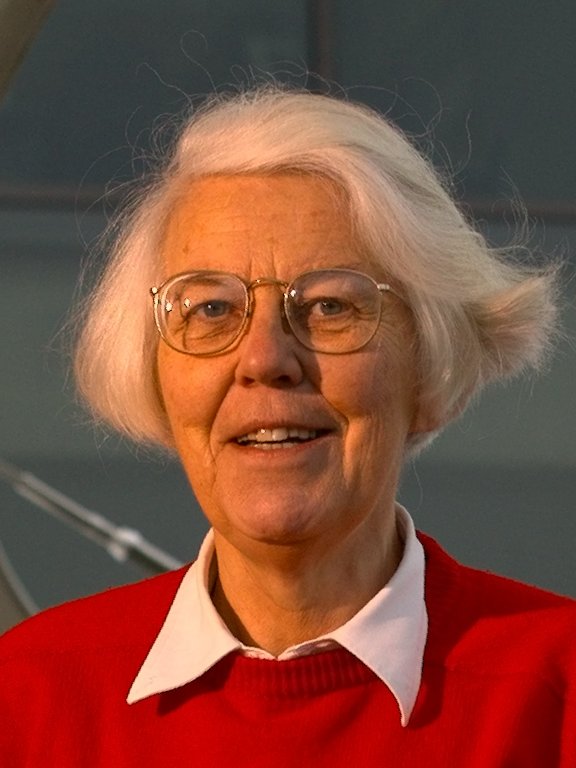
Karen Spärck Jones🔑
1935–2007
Karen Spärck Jones
Researcher
💡 Invented inverse document frequency (IDF) weighting, the statistical insight that rare terms are more informative than common ones — directly foundational to named entity recognition, keyword extraction, and information extraction weighting schemes
🧑‍🔬
🔑
1920–2012
George A. Miller
Researcher
💡 Founded WordNet, the large lexical database organizing words into semantic networks of synonym sets connected by relations — the standard lexical-semantic resource underlying word-sense disambiguation and semantic search in NLP
🧑‍🔬
🔑
1913–1988
Paul Grice
Researcher
💡 Founded the theory of conversational implicature and the Cooperative Principle (maxims of quantity, quality, relation, manner), the foundational pragmatic theory explaining how meaning goes beyond literal semantics — essential to discourse-level NLP and dialogue systems
🧑‍🔬
🔑
1946–2023
Roger Schank
Researcher
💡 Developed Conceptual Dependency theory and Script theory, representing the meaning of sentences and stereotypical event sequences (e.g. 'restaurant script') in language-independent structures — foundational to knowledge extraction and relation extraction from scientific text
🧑‍🔬
🔑
1909–1992
Zellig Harris
Researcher
💡 Founded distributional structuralism in linguistics — the method of discovering grammatical structure purely from statistical patterns of co-occurrence in text — and pioneered transformational analysis, directly foundational to both distributional embeddings and syntactic parsing in NLP
🧑‍🔬
🔑
1925–2010
Henry Kučera
Researcher
💡 Co-created the Brown Corpus, the first major computer-readable, systematically balanced text corpus with part-of-speech annotation, founding modern corpus linguistics and the annotated-corpus paradigm that all statistical/neural NLP training data follows
🧑‍🔬
🔑
1896–1964
Hans Peter Luhn
Researcher
💡 Invented automatic text summarization and the KWIC (Key Word In Context) indexing method, founding the field of automatic document summarization and keyword-based information extraction from technical documents
🧑‍🔬
🔑
1863–1945
Charles Spearman
Researcher
💡 Invented factor analysis, the statistical method for discovering unobserved latent factors underlying observed correlated variables, the direct mathematical ancestor of latent semantic analysis and topic modeling in NLP
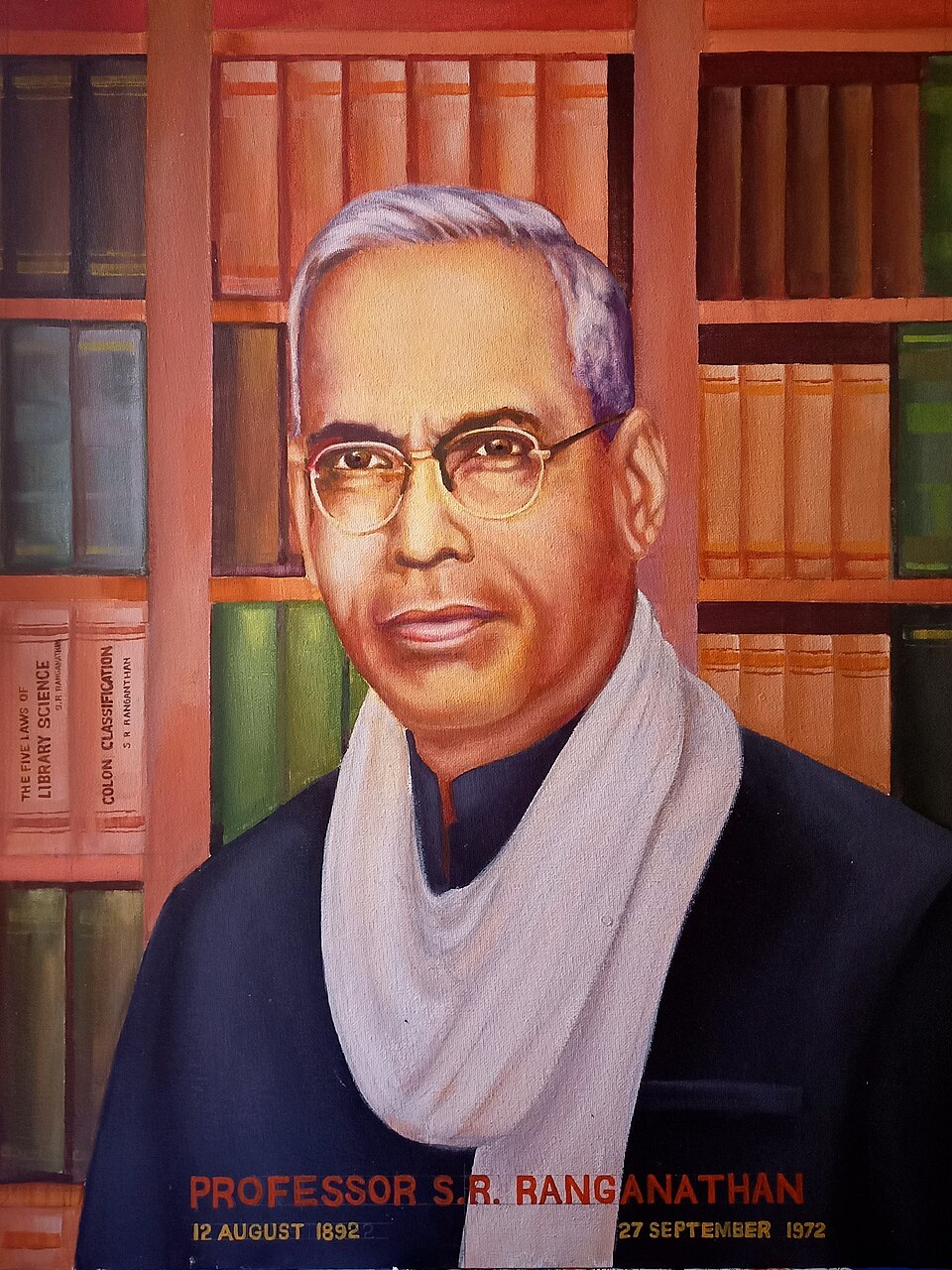
S. R. Ranganathan🔑
1892–1972
S. R. Ranganathan
Researcher
💡 Invented faceted classification (Colon Classification), a systematic method for classifying documents along multiple independent facets (subject, place, time, form) rather than a single hierarchy, foundational to organizing and retrieving domain-specific scientific/technical documents
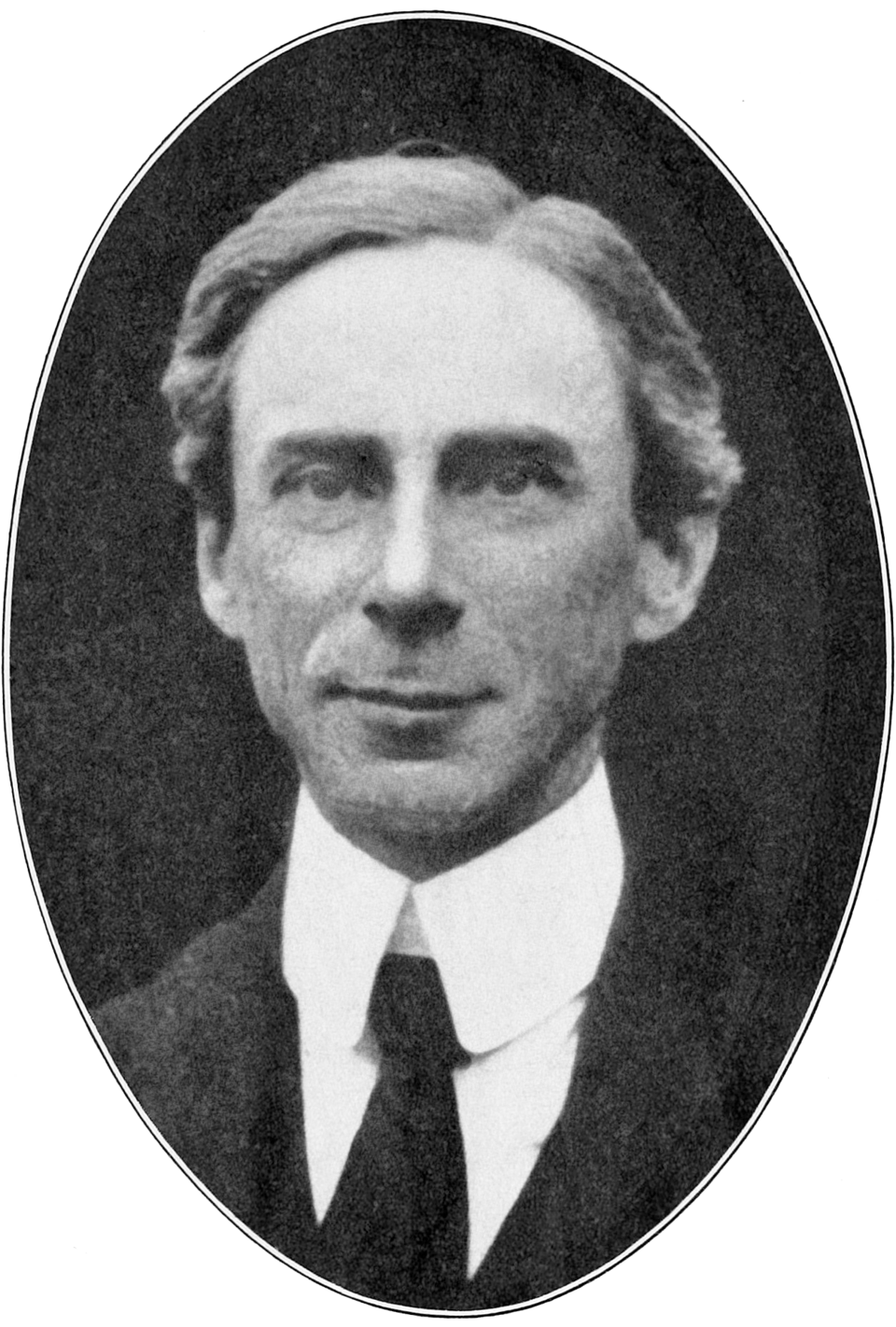
Bertrand Russell🔑
1872–1970
Bertrand Russell
Researcher
💡 Developed the Theory of Descriptions, the foundational logical analysis of how referring expressions (definite descriptions, pronouns) pick out entities in the world — directly foundational to computational anaphora and coreference resolution in NLP