🎓GeoAcademyGeoVerse Lab
AI & Computing Sciences College

High-Performance Computing Department

The High-Performance Computing Department builds students' ability to design and operate massively parallel computing infrastructure, anchored in GPU-accelerated CUDA/OpenCL programming, MPI-based distributed finite element methods, and cluster job scheduling. Students parallelize real large-scale numerical simulation problems - such as seismic modeling - and run and optimize them at petascale. Graduates understand the full hardware-software stack that computation at scale demands and can diagnose and resolve performance bottlenecks in scientific simulations.
⚙️ GeoAcademy System Administration College🖥️ AI & Computing Sciences College🔬 Basic Sciences College⚡ Intelligent Geophysical Exploration College🛢️ Resource & Energy Engineering College🌍 Applied Geoscience Solutions College💼 Economics, Policy & Strategy for the Future College🎓 Education & Training Development College🚀 Innovation & International Collaboration College
Machine Learning DepartmentComputer Vision DepartmentNatural Language Processing DepartmentHigh-Performance Computing DepartmentQuantum Computing DepartmentGenerative AI & Foundation Models CenterReinforcement Learning & Agents CenterAI Safety & Alignment CenterAI for Science CenterRobotics & Embodied AI Center
Cray🔑
Cray
Chair
💡 Supercomputing & Parallel Architecture

Researchers (real GeoVerse Lab members) 14

🧑‍🔬
🔑
1935–2019
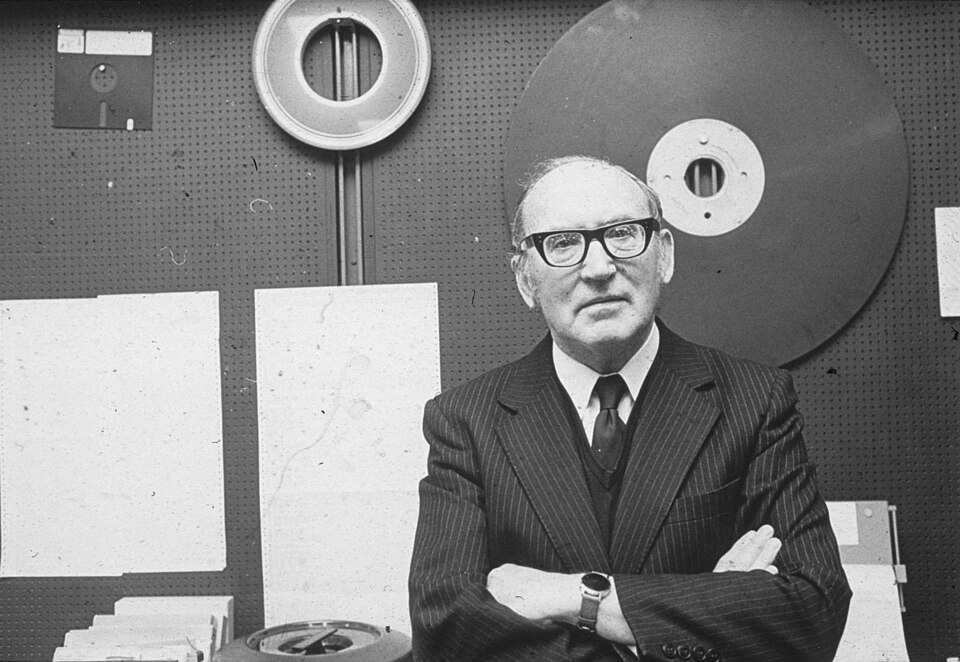
Ken Batcher
Researcher
💡 Chief architect of the ILLIAC IV massively parallel computer and inventor of Batcher's sorting networks (bitonic/odd-even merge sort), the foundational parallel-algorithm design techniques for data-parallel HPC systems
🧑‍🔬
🔑
1931–1985
Daniel Slotnick
Researcher
💡 Conceived and led the design of the ILLIAC IV, the first large-scale SIMD (single-instruction-multiple-data) array supercomputer, founding the stream/array-processing architecture that modern GPU computing directly descends from
Jim Gray🔑
1944–2012
Jim Gray
Researcher
💡 Founded the theory of transaction processing and fault-tolerant distributed systems (ACID properties, the transaction concept), directly foundational to reliable distributed-memory HPC job coordination and MPI-based checkpoint/restart systems
🧑‍🔬
🔑
1919–1986
James H. Wilkinson
Researcher
💡 Founded rigorous backward-error analysis for numerical linear algebra algorithms, establishing the stability theory underlying every sparse matrix solver and eigenvalue algorithm used in large-scale scientific computing
🧑‍🔬
🔑
1920–2016
Ray W. Clough
Researcher
💡 Coined the term 'finite element method' and pioneered its application to structural analysis, founding the discretization approach that MPI-based distributed finite element simulations on HPC clusters directly implement at scale
Fernando J. Corbató🔑
1926–2019
Fernando J. Corbató
Researcher
💡 Invented time-sharing computer systems (CTSS, Multics), founding the resource-scheduling and multi-user job management concepts that modern HPC cluster schedulers (SLURM, PBS) directly descend from
Maurice Wilkes🔑
1913–2010
Maurice Wilkes
Researcher
💡 Built the EDSAC, one of the first practical stored-program computers, and proposed the concept of cache memory, founding the memory-hierarchy design principle essential to memory-efficient sparse matrix operations on modern HPC systems
Paul Baran🔑
1926–2011
Paul Baran
Researcher
💡 Invented packet switching and designed distributed, redundant network topologies for survivable communication, founding the network-topology design principles underlying HPC cluster interconnects and MPI communication fabrics
🧑‍🔬
🔑
1944–2010
Jean-Claude Laprie
Researcher
💡 Coined the term 'dependability' and founded its systematic taxonomy (reliability, availability, safety, integrity, maintainability), the standard conceptual framework for designing fault-tolerant large-scale HPC systems
Frances Allen🔑
1932–2020
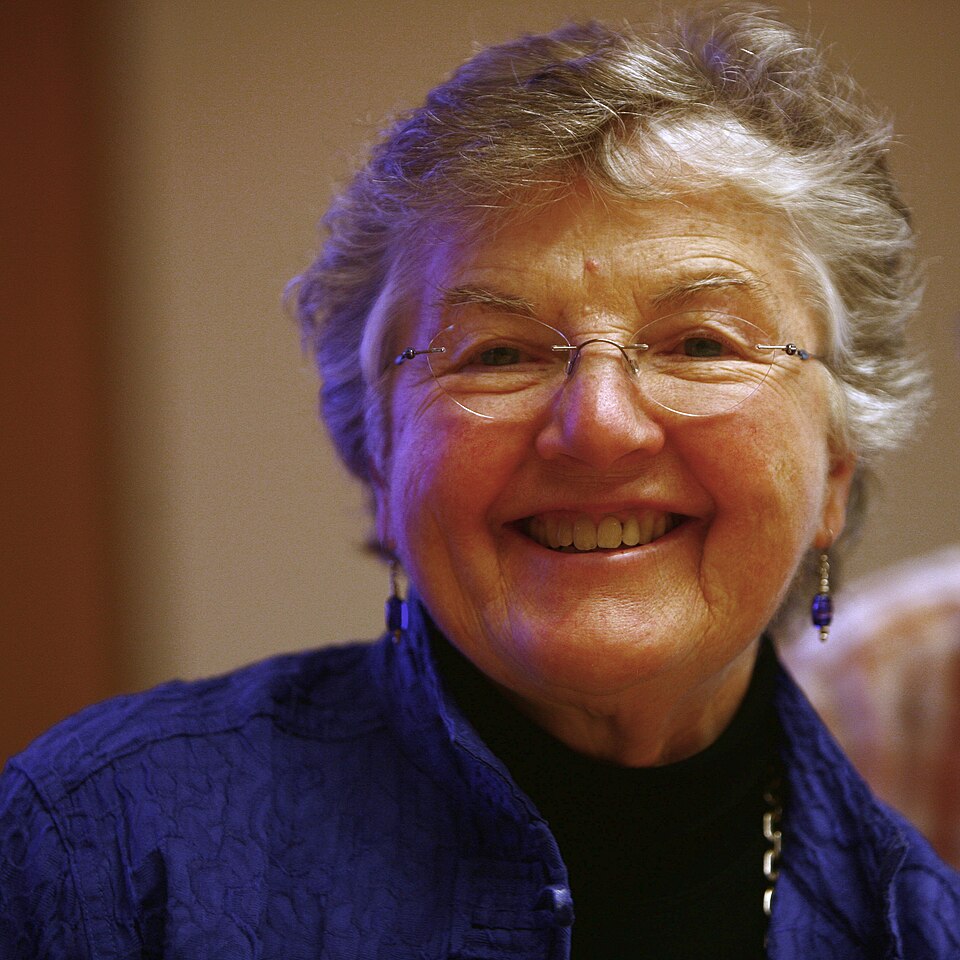
Frances Allen
Researcher
💡 Founded the theory of program optimization and automatic parallelization via control-flow and data-dependence analysis, the compiler theory directly underlying automatic vectorization and parallelization of scientific HPC code
Larry Roberts🔑
1937–2018
Larry Roberts
Researcher
💡 Designed and led the ARPANET, the first operational packet-switched wide-area network enabling remote computers to share computing resources, founding the wide-area distributed resource-sharing model that grid and cloud HPC computing directly descend from
🧑‍🔬
🔑
1906–1998
Reynold B. Johnson
Researcher
💡 Invented the hard disk drive (IBM RAMAC), founding random-access magnetic storage technology that all modern parallel file systems and distributed storage architectures for HPC I/O are built upon
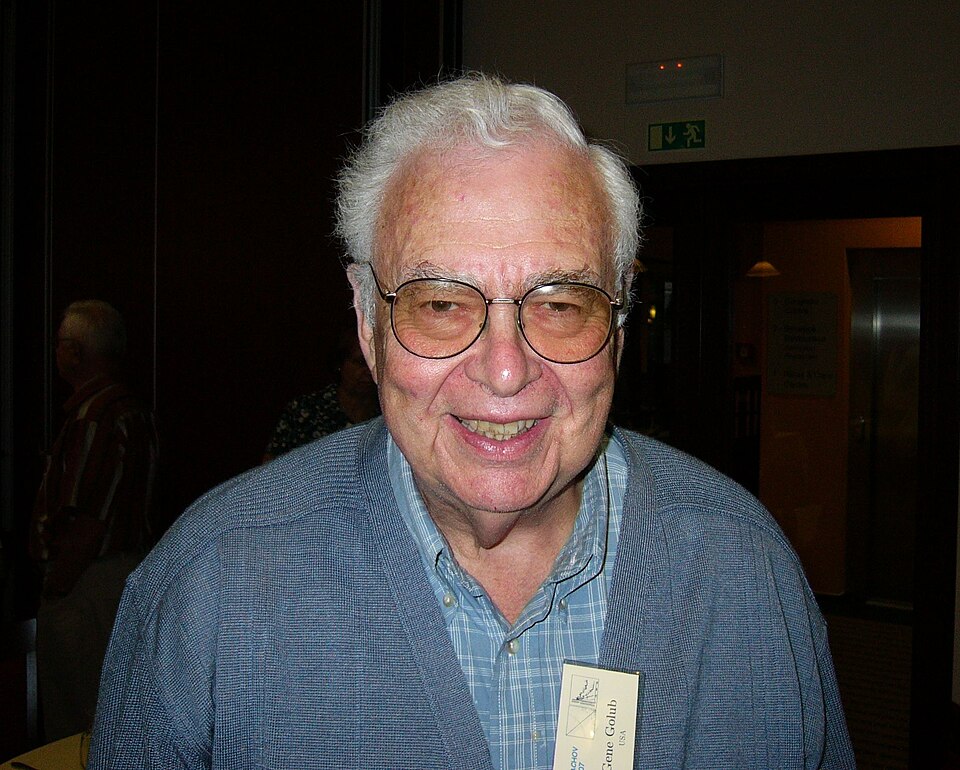
Gene H. Golub🔑
1932–2007
Gene H. Golub
Researcher
💡 Founded modern matrix computation theory including the golden-standard SVD algorithm and iterative solver methods, foundational to the large-scale sparse linear system solvers used throughout HPC scientific simulation
🧑‍🔬
🔑
1925–2002
John Cocke
Researcher
💡 Pioneered RISC (Reduced Instruction Set Computer) architecture and instruction pipelining, founding the processor design philosophy underlying the high clock-rate, high-throughput CPU/GPU cores used throughout modern HPC hardware