🎓GeoAcademyGeoVerse Lab
AI & Computing Sciences College

Computer Vision Department

The Computer Vision Department teaches the full stack of core techniques - CNN-based image processing, segmentation with U-Net and SegFormer, object detection, and 3D point-cloud processing from LiDAR and photogrammetry. Students apply these methods directly to geoscience data through project work on satellite imagery, seismic visualization, and geological image interpretation, connecting theory to practice. By graduation, students can independently build vision pipelines that extract geologically meaningful information from raw imagery and point-cloud data.
⚙️ GeoAcademy System Administration College🖥️ AI & Computing Sciences College🔬 Basic Sciences College⚡ Intelligent Geophysical Exploration College🛢️ Resource & Energy Engineering College🌍 Applied Geoscience Solutions College💼 Economics, Policy & Strategy for the Future College🎓 Education & Training Development College🚀 Innovation & International Collaboration College
Machine Learning DepartmentComputer Vision DepartmentNatural Language Processing DepartmentHigh-Performance Computing DepartmentQuantum Computing DepartmentGenerative AI & Foundation Models CenterReinforcement Learning & Agents CenterAI Safety & Alignment CenterAI for Science CenterRobotics & Embodied AI Center
🤖
🔑
LeCun
Chair
💡 Convolutional Neural Networks & Visual Recognition

Researchers (real GeoVerse Lab members) 15

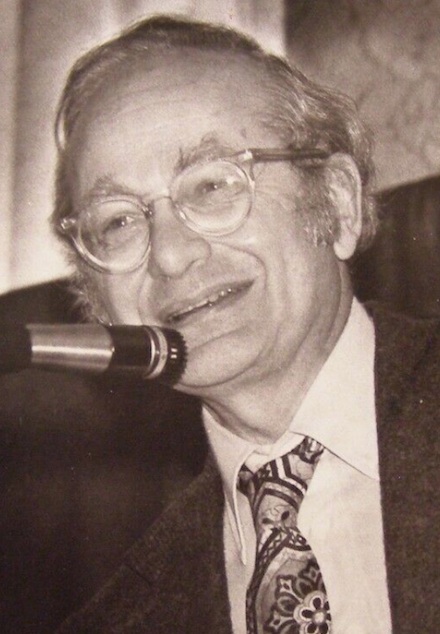
David H. Hubel🔑
1926–2013
David H. Hubel
Researcher
💡 Discovered (with Torsten Wiesel) the hierarchical organization of the visual cortex — simple, complex, and hypercomplex cells building increasingly abstract representations — the direct biological blueprint for convolutional neural network architecture
🧑‍🔬
🔑
1930–1985
King-Sun Fu
Researcher
💡 Founded syntactic pattern recognition, treating complex patterns as structured compositions of simpler primitives via formal grammars, and co-founded the field's flagship journal and society, earning the title 'father of pattern recognition'
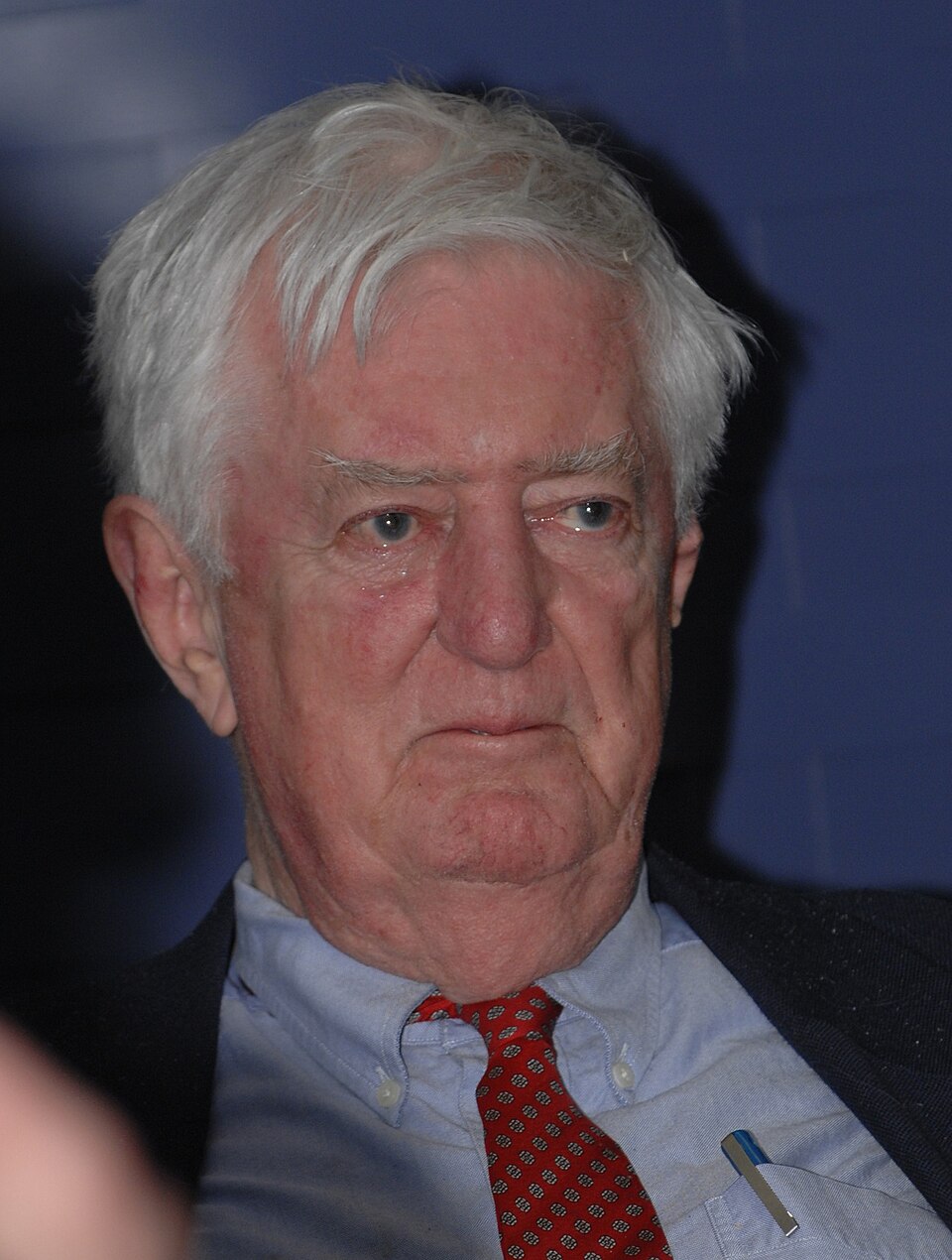
Oliver Selfridge🔑
1926–2008
Oliver Selfridge
Researcher
💡 Proposed the Pandemonium model — competing 'demons' detecting features that vote toward pattern recognition decisions — an early feature-voting architecture directly ancestral to modern object detection's feature-then-classify pipeline
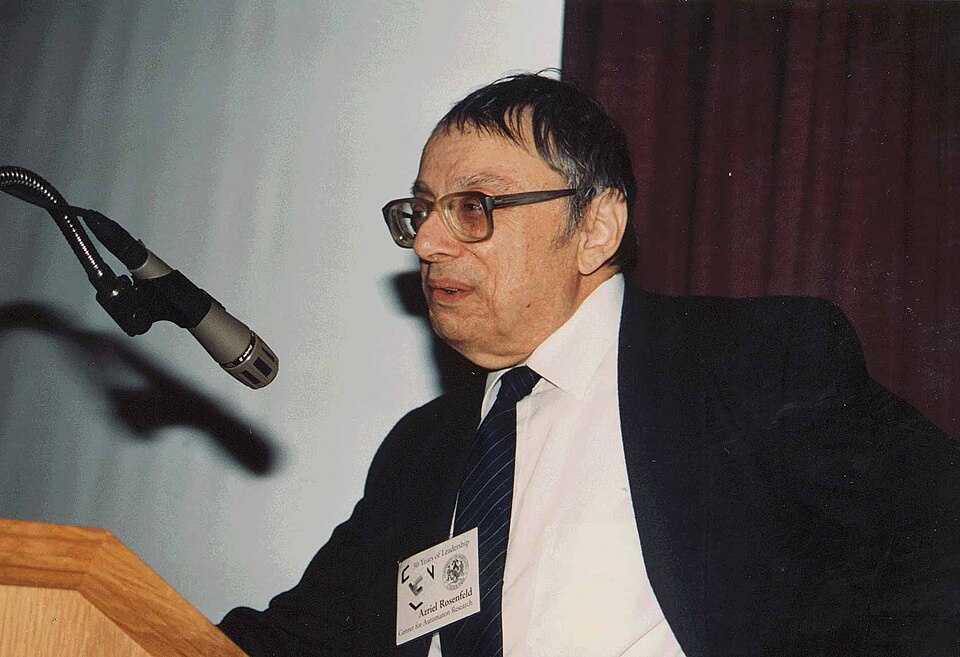
Azriel Rosenfeld🔑
1931–2004
Azriel Rosenfeld
Researcher
💡 Founded digital image processing and image segmentation as a rigorous discipline, writing the field's first textbook and establishing thresholding, region-growing, and digital topology methods still foundational to segmentation pipelines
🧑‍🔬
🔑
1885–1967
Erwin Kruppa
Researcher
💡 Proved Kruppa's theorem (1913) establishing that relative camera motion and 3D structure can be recovered from a minimal set of point correspondences between two views, the founding result of epipolar geometry and multi-view 3D reconstruction
🧑‍🔬
🔑
1904–1979
James J. Gibson
Researcher
💡 Originated the concept of optical flow — the pattern of apparent motion of surfaces in a visual scene caused by relative motion between observer and scene — founding the ecological approach to visual perception that underlies all optical flow algorithms
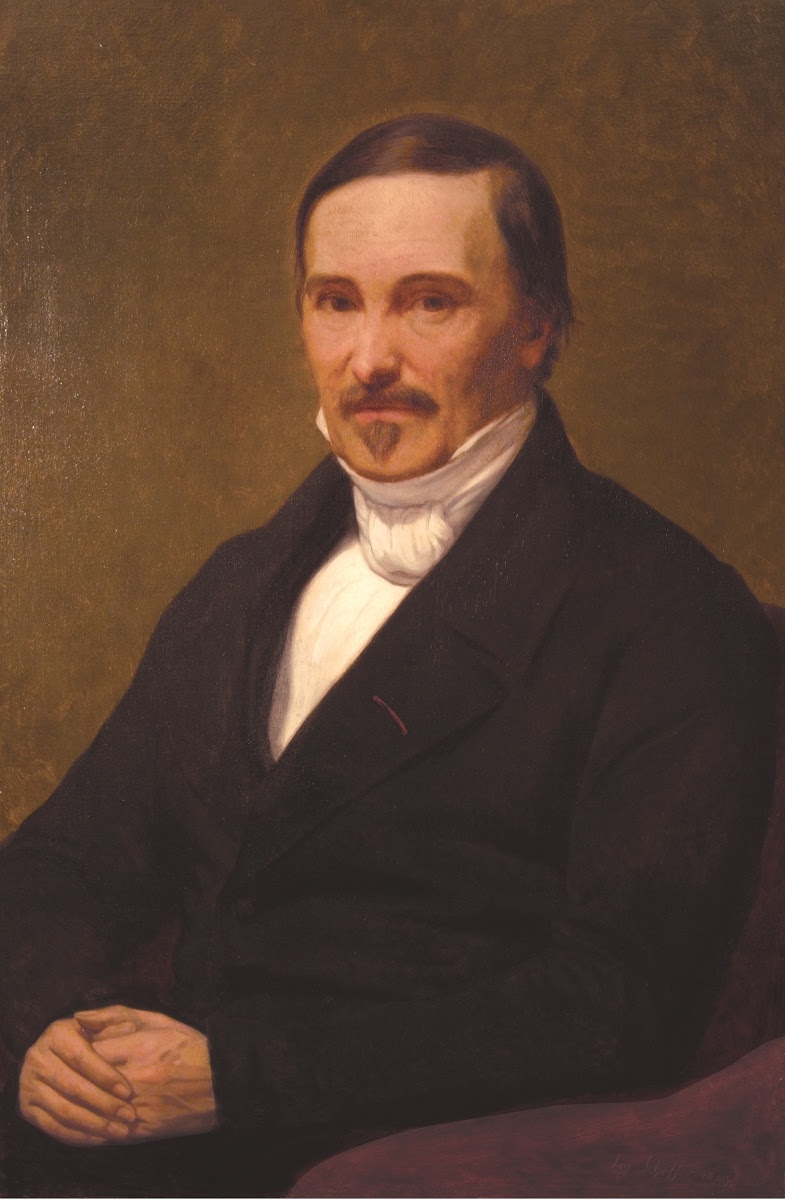
Jean-Victor Poncelet🔑
1788–1867
Jean-Victor Poncelet
Researcher
💡 Founded projective geometry, establishing the mathematics of perspective, vanishing points, and cross-ratio invariants that underlie all camera calibration and 3D-from-2D reconstruction in computer vision
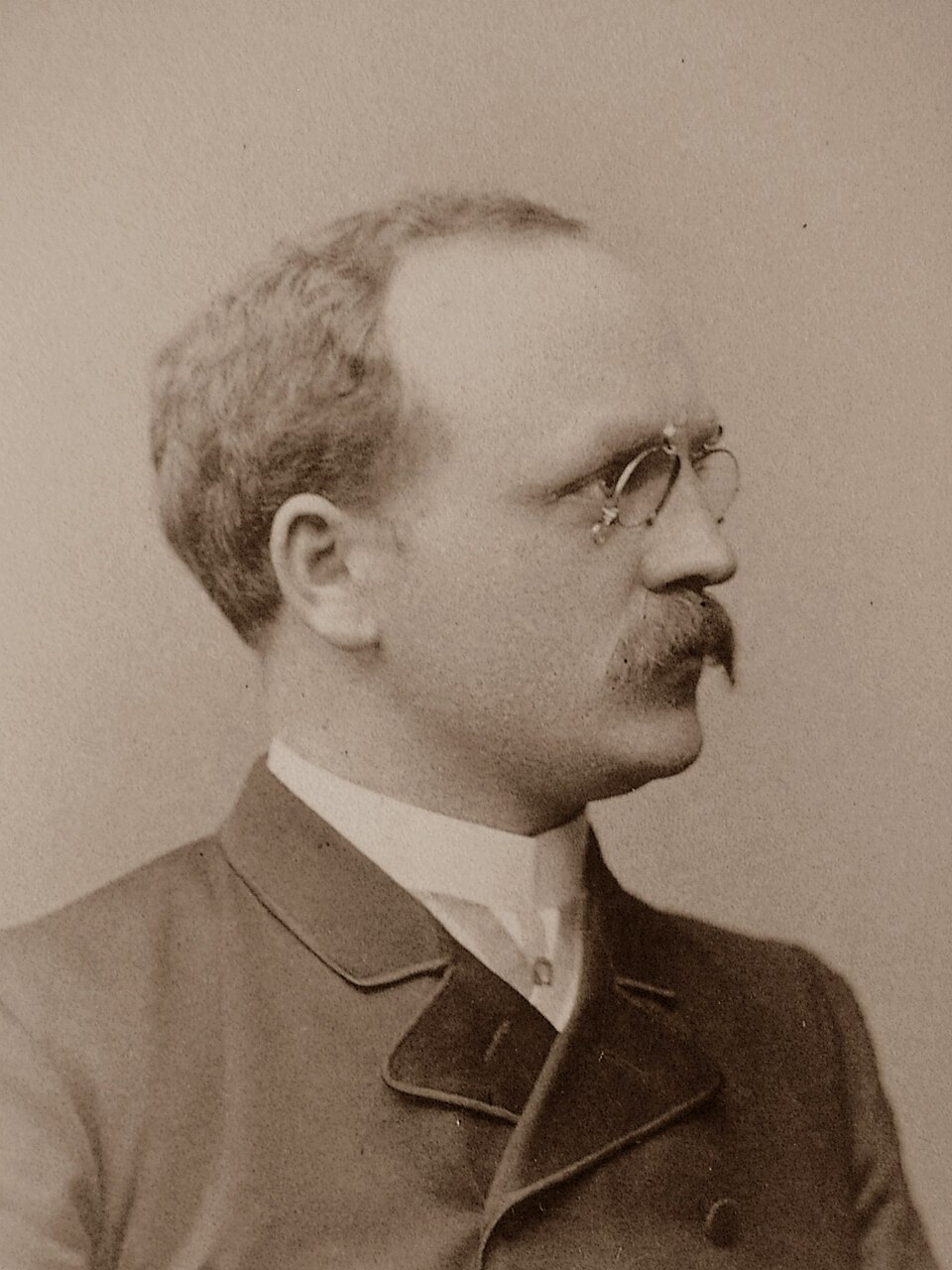
Carl Pulfrich🔑
1858–1927
Carl Pulfrich
Researcher
💡 Invented practical stereophotogrammetry — measuring 3D structure from paired stereo photographs — founding the discipline of photogrammetry that underlies LiDAR-independent 3D point cloud reconstruction from imagery
🧑‍🔬
🔑
1918–2000
Evelyn Pruitt
Researcher
💡 Coined the term 'remote sensing' and, as a US Office of Naval Research program director, built and funded the interdisciplinary scientific field connecting aerial/satellite imagery analysis to geography and earth observation
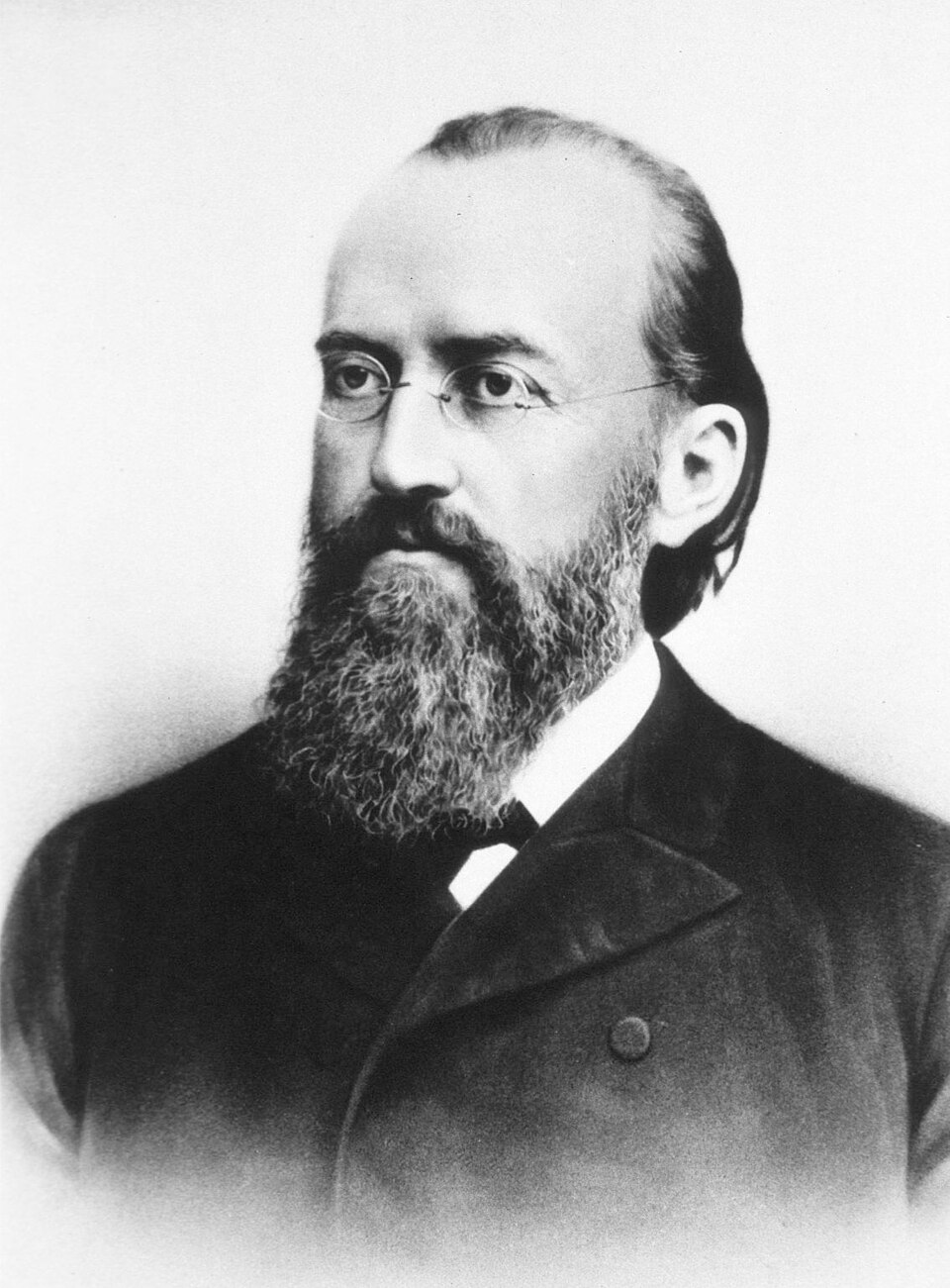
Ewald Hering🔑
1834–1918
Ewald Hering
Researcher
💡 Founded the opponent-process theory of color vision (red-green, blue-yellow, black-white channels), the physiological model underlying color-space representations (e.g. Lab, YCbCr) used throughout computer vision and image processing
Ronald N. Bracewell🔑
1921–2007
Ronald N. Bracewell
Researcher
💡 Developed Fourier-transform image reconstruction methods (including the Bracewell-Riddle algorithm for deconvolution) originally for radio-astronomy imaging, foundational to modern image deblurring, deconvolution, and super-resolution
Allan M. Cormack🔑
1924–1998
Allan M. Cormack
Researcher
💡 Developed the mathematical theory of reconstructing a cross-sectional image from a set of projections (the Radon-transform-based basis of computed tomography), founding tomographic reconstruction used across medical, seismic, and scientific imaging
Willard Boyle🔑
1924–2011
Willard Boyle
Researcher
💡 Co-invented (with George E. Smith) the charge-coupled device (CCD), the digital image sensor that made all digital photography, satellite imaging, and computer vision on captured imagery physically possible
Max Wertheimer🔑
1880–1943
Max Wertheimer
Researcher
💡 Founded Gestalt psychology, establishing the principles (proximity, similarity, closure, continuity) by which the visual system groups elements into coherent wholes — the perceptual-organization foundation of scene understanding and semantic segmentation
Béla Julesz🔑
1928–2003
Béla Julesz
Researcher
💡 Invented random-dot stereograms proving stereoscopic depth perception requires no monocular cues, and founded texture perception theory (textons) explaining what visual textures are pre-attentively discriminable — foundational to computational texture analysis and stereo matching