🎓GeoAcademyGeoVerse Lab
Intelligent Geophysical Exploration College

Well Logging & Petrophysics Department

The Well Logging & Petrophysics Department develops students' ability to quantitatively characterize reservoir properties by combining well-log data with rock-physics theory. Students practice integrating wireline and LWD logs with core data to derive porosity, permeability, lithology, and hydrocarbon saturation. Graduates gain the petrophysical interpretation skills needed to build reservoir models directly from log data.
⚙️ GeoAcademy System Administration College🖥️ AI & Computing Sciences College🔬 Basic Sciences College⚡ Intelligent Geophysical Exploration College🛢️ Resource & Energy Engineering College🌍 Applied Geoscience Solutions College💼 Economics, Policy & Strategy for the Future College🎓 Education & Training Development College🚀 Innovation & International Collaboration College
Seismic Exploration & Imaging DepartmentGravity & Magnetic Methods DepartmentElectromagnetic Methods DepartmentEarthquake Seismology DepartmentIntegrated Geophysics & Interpretation DepartmentInversion & Modeling DepartmentWell Logging & Petrophysics Department
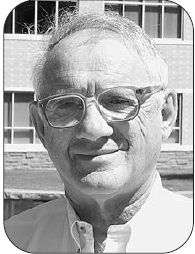
Archie🔑
Archie
Chair
💡 Petrophysics & Formation Evaluation

Researchers (real GeoVerse Lab members) 13

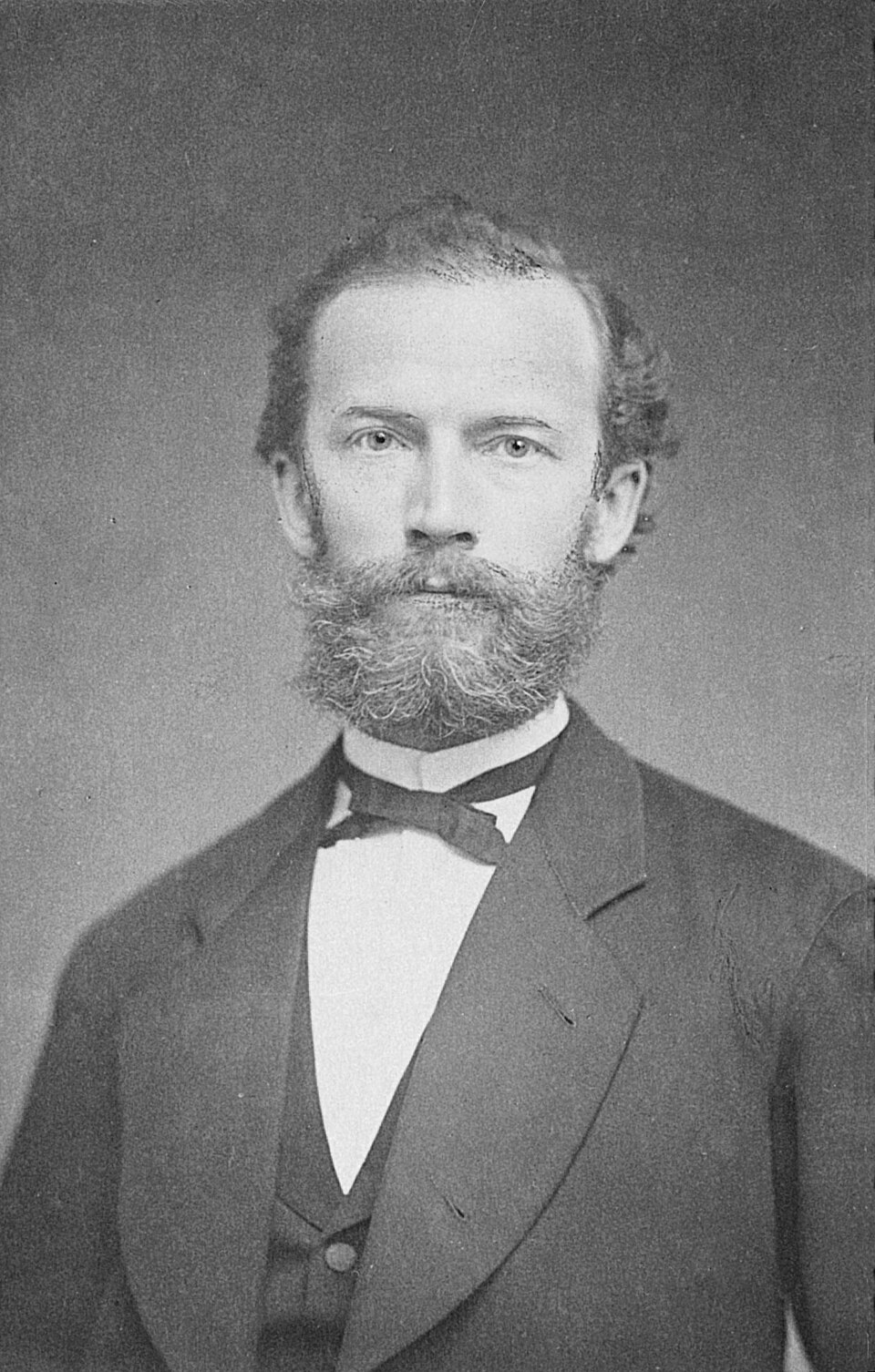
Fritz Gassmann🔑
1899–1990
Fritz Gassmann
Researcher
💡 Derived Gassmann's equation (1951), relating a porous rock's elastic moduli to the properties of its pore fluid, the standard tool for fluid substitution in well-log and seismic rock physics
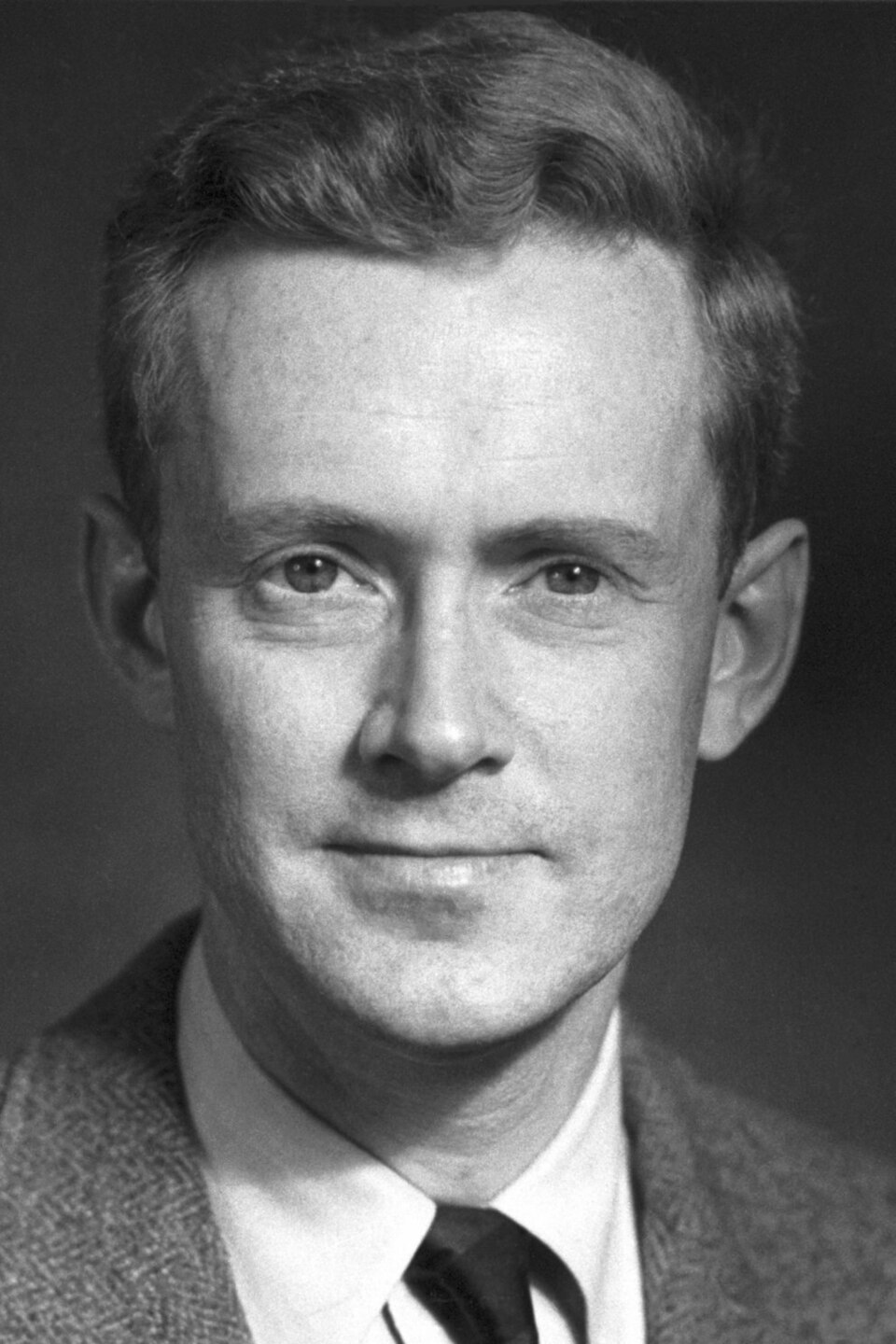
Edward Mills Purcell🔑
1912–1997
Edward Mills Purcell
Researcher
💡 Independently discovered nuclear magnetic resonance (NMR) in condensed matter (1946), sharing the 1952 Nobel Prize in Physics; NMR physics underlies modern NMR well logging tools
🧑‍🔬
🔑
1884–1953
Marcel Schlumberger
Researcher
💡 Co-invented (with brother Conrad) continuous electrical well logging (1927) and co-founded Schlumberger Ltd, the origin of modern wireline formation evaluation
🧑‍🔬
🔑
1908–2002
Serge A. Scherbatskoy
Researcher
💡 Held over 200 patents in radioactivity well logging instrumentation, foundational to gamma-ray, neutron, and density logging tool design
🧑‍🔬
🔑
1920–1996
Irving Fatt
Researcher
💡 Applied physics of fluid flow through small pores to petroleum reservoir rock, advancing core-analysis methodology for relative permeability and capillary behavior
🧑‍🔬
🔑
1943–2008
Michael Schoenberg
Researcher
💡 Introduced the linear-slip theory (1980, 1983) characterizing elastic wave behavior across fractured interfaces, foundational to seismic and acoustic-log anisotropy analysis for fractured reservoirs
🧑‍🔬
🔑
1925–2014
Adrian E. Scheidegger
Researcher
💡 Authored 'The Physics of Flow Through Porous Media', the standard reference textbook establishing the physical theory of permeability and multiphase flow in reservoir rock
🧑‍🔬
🔑
1941–2011
Robert C. Earlougher
Researcher
💡 Authored the influential 1977 SPE monograph 'Advances in Well Test Analysis', the standard reference for pressure transient analysis and formation testing
Alexander A. Kaufman🔑
1931–2023
Alexander A. Kaufman
Researcher
💡 Made foundational contributions to inductive electromagnetic well logging theory, including resolving power, vertical resolution, anisotropy effects, and transient EM logging techniques
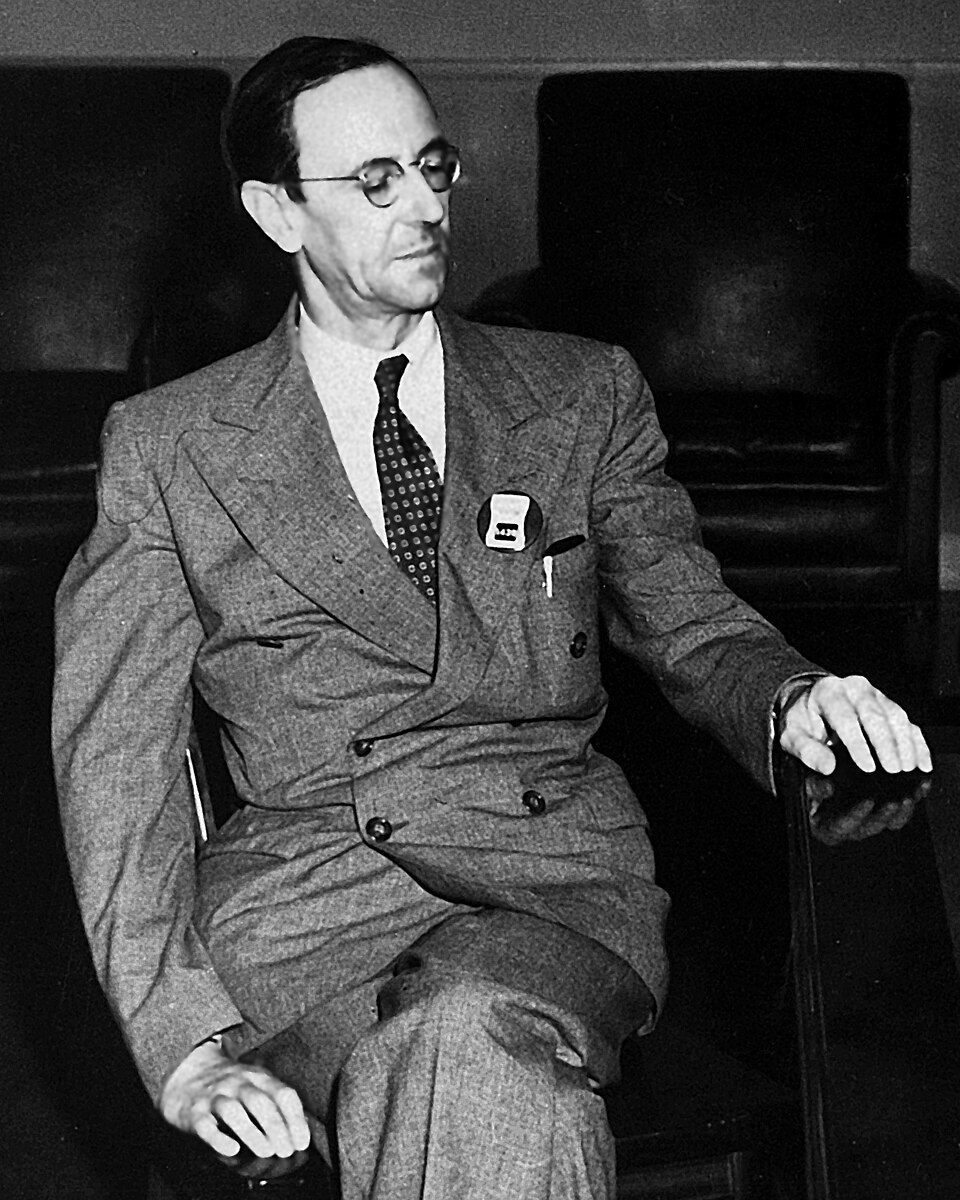
James Chadwick🔑
1891–1974
James Chadwick
Researcher
💡 Discovered the neutron (1932), earning the 1935 Nobel Prize in Physics; neutron physics is the direct foundation of neutron porosity well logging
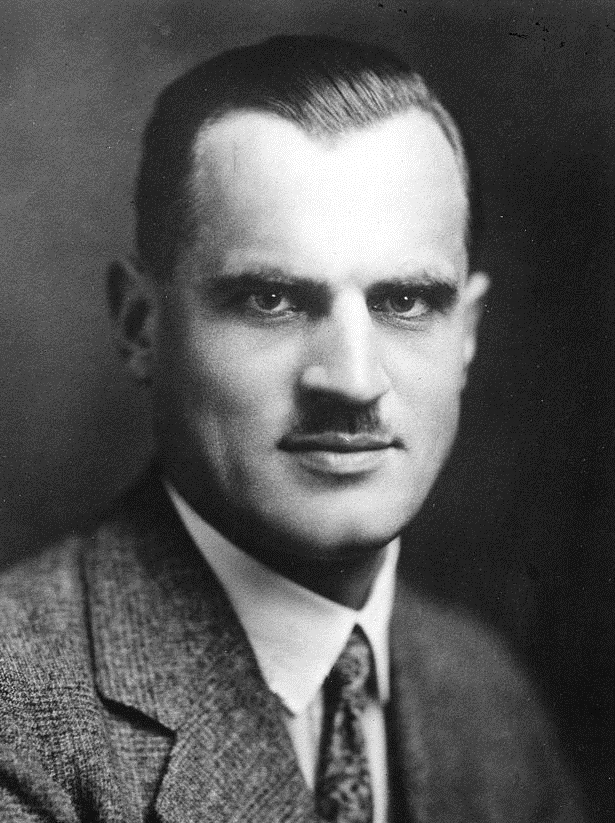
Arthur Compton🔑
1892–1962
Arthur Compton
Researcher
💡 Discovered the Compton effect (1923), the gamma-ray scattering physics that is the direct physical basis of gamma-gamma formation density logging
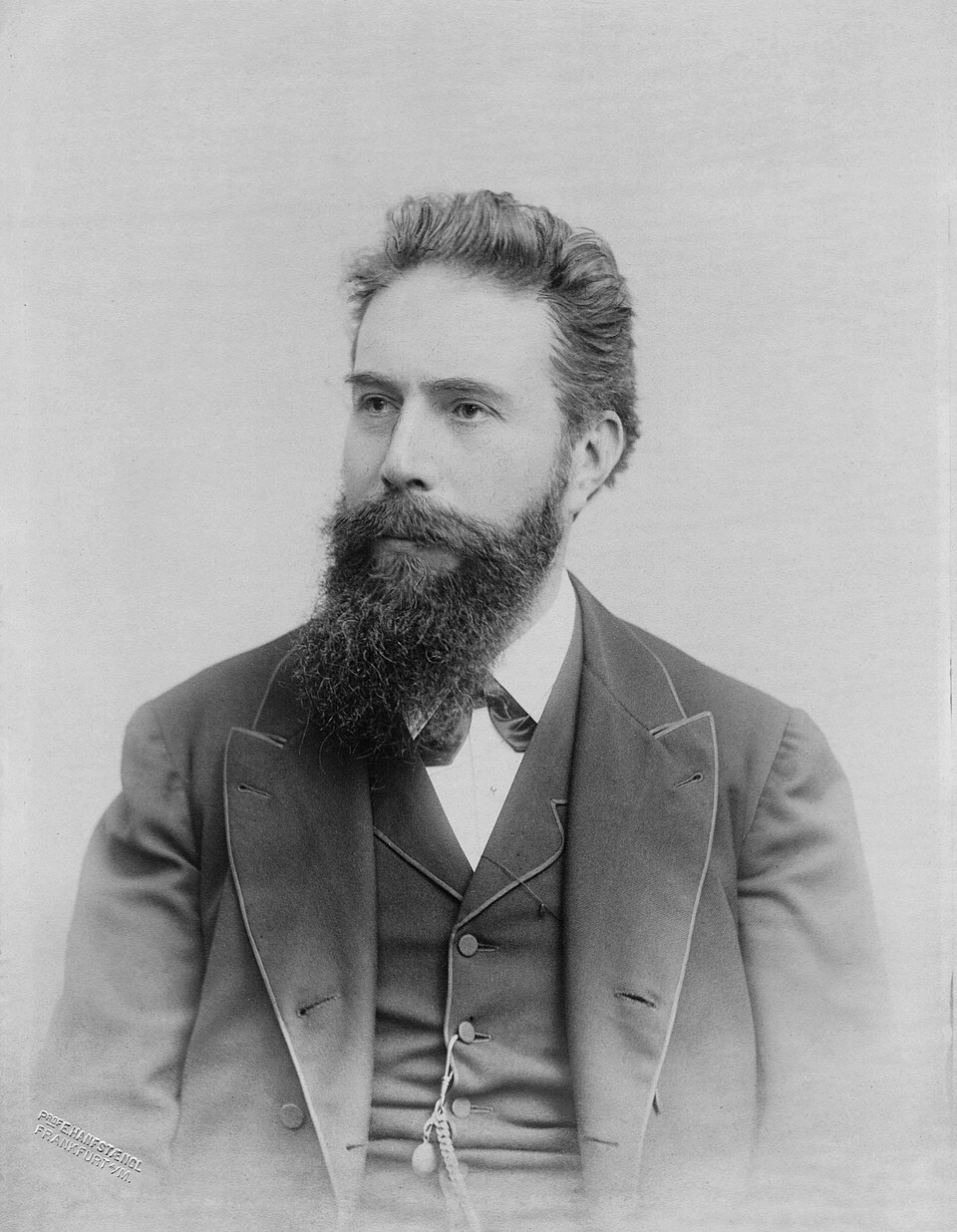
Wilhelm Röntgen🔑
1845–1923
Wilhelm Röntgen
Researcher
💡 Discovered X-rays (1895), earning the first Nobel Prize in Physics (1901); the underlying photoelectric absorption physics is engineered into the photoelectric factor (PeF) log and X-ray fluorescence core/cuttings analysis
Friedrich Kohlrausch🔑
1840–1910
Friedrich Kohlrausch
Researcher
💡 Kohlrausch's law of independent ion migration; precision measurement of electrolyte conductivity