🎓GeoAcademyGeoVerse Lab
Applied Geoscience Solutions College

Applied Geothermal Energy Project Department

Applied Geothermal Energy Project educates students to design and sustainably operate commercial geothermal power and district-heating systems. Through thermal-reservoir simulation exercises, students learn to assess resource feasibility, then work hands-on with thermodynamic modeling to plan slim-hole drilling, balance production and injection wells, and design reinjection strategies. Paired with experience designing real-time monitoring scenarios, graduates gain the practical competency to manage reservoirs sustainably and lead geothermal projects.
⚙️ GeoAcademy System Administration College🖥️ AI & Computing Sciences College🔬 Basic Sciences College⚡ Intelligent Geophysical Exploration College🛢️ Resource & Energy Engineering College🌍 Applied Geoscience Solutions College💼 Economics, Policy & Strategy for the Future College🎓 Education & Training Development College🚀 Innovation & International Collaboration College
Carbon Capture & Storage Project DepartmentNuclear Waste Disposal Project DepartmentOil & Gas Exploration Project DepartmentApplied Geothermal Energy Project DepartmentGeohazards & Monitoring Project DepartmentOffshore Wind Farm Project DepartmentCritical Minerals Exploration DepartmentLand Site Survey & Assessment DepartmentSpecial Applications DepartmentEnvironmental Geoscience Department
🤖
🔑
Muffler
Chair
💡 Geothermal Resource Assessment & Reservoir Engineering

Researchers (real GeoVerse Lab members) 14

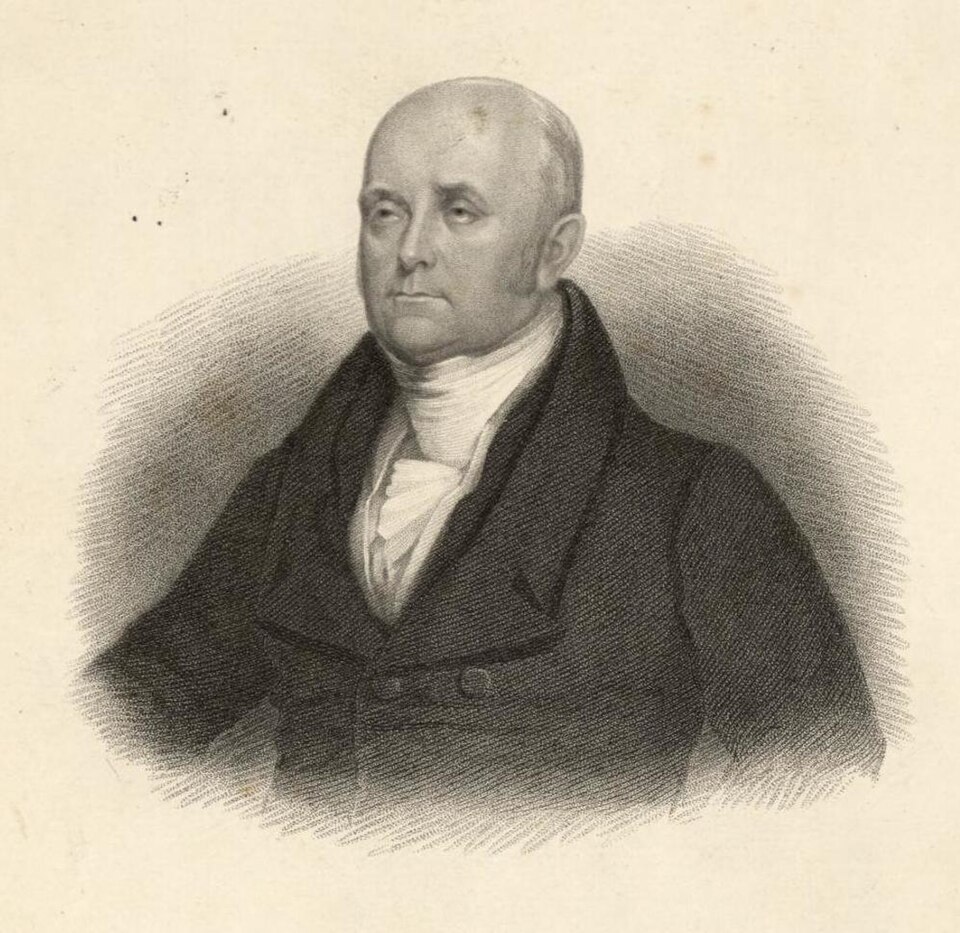
Jean-Baptiste Biot🔑
1774–1862
Jean-Baptiste Biot
Researcher
💡 Early quantitative study of heat conduction in solids (1804), precursor to the Biot number used in heat-transfer analysis
Anthony Francis Lucas🔑
1855–1921
Anthony Francis Lucas
Researcher
💡 Pioneered rotary drilling technology at the 1901 Spindletop gusher, launching modern rotary well-drilling practice
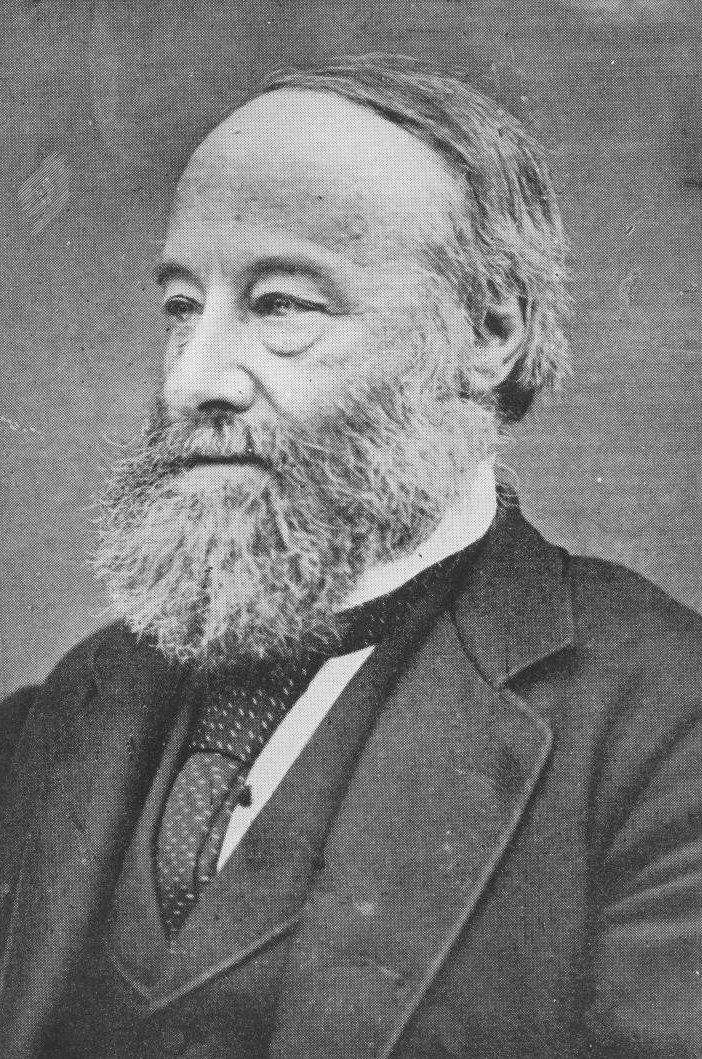
James Prescott Joule🔑
1818–1889
James Prescott Joule
Researcher
💡 Established the mechanical equivalent of heat, foundational to the first law of thermodynamics
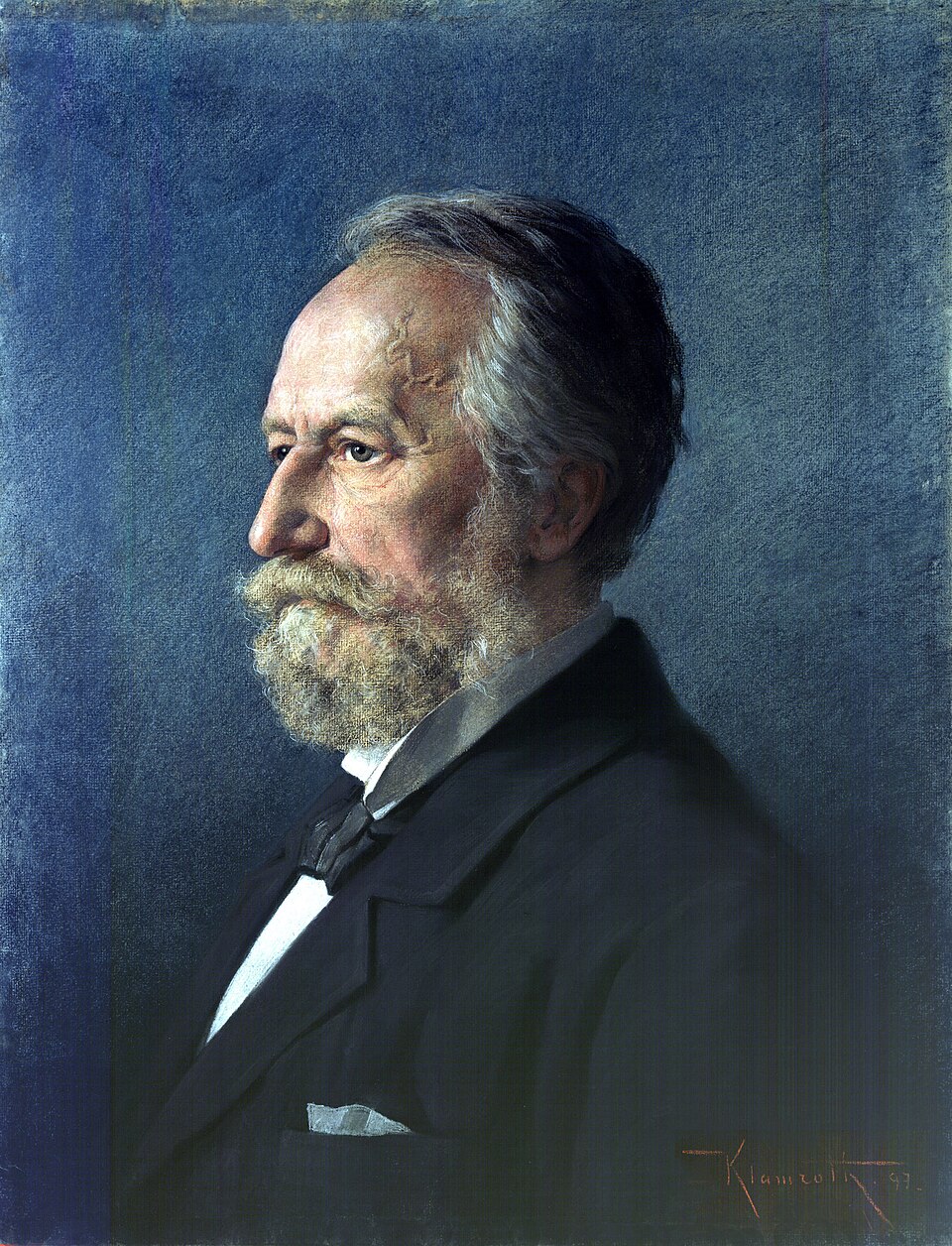
Adolf Eugen Fick🔑
1829–1901
Adolf Eugen Fick
Researcher
💡 Formulated Fick's laws of diffusion (1855)
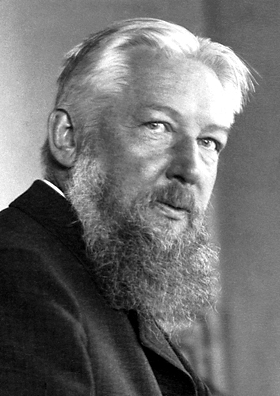
Wilhelm Ostwald🔑
1853–1932
Wilhelm Ostwald
Researcher
💡 Founder of physical chemistry; foundational work on reaction kinetics and catalysis; Nobel Prize in Chemistry (1909)
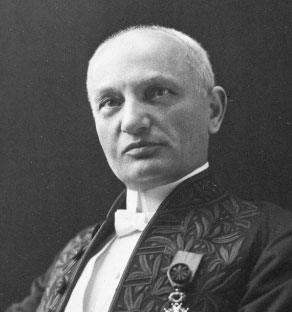
Auguste Rateau🔑
1863–1930
Auguste Rateau
Researcher
💡 Developed the multi-stage (Rateau-stage) steam turbine and was the first engineer to propose using Larderello's natural geothermal steam to generate electricity
Jacob Perkins🔑
1766–1849
Jacob Perkins
Researcher
💡 Invented the first practical vapor-compression cycle machine (1834), founding the closed-loop working-fluid cycle engineering that binary geothermal plants use
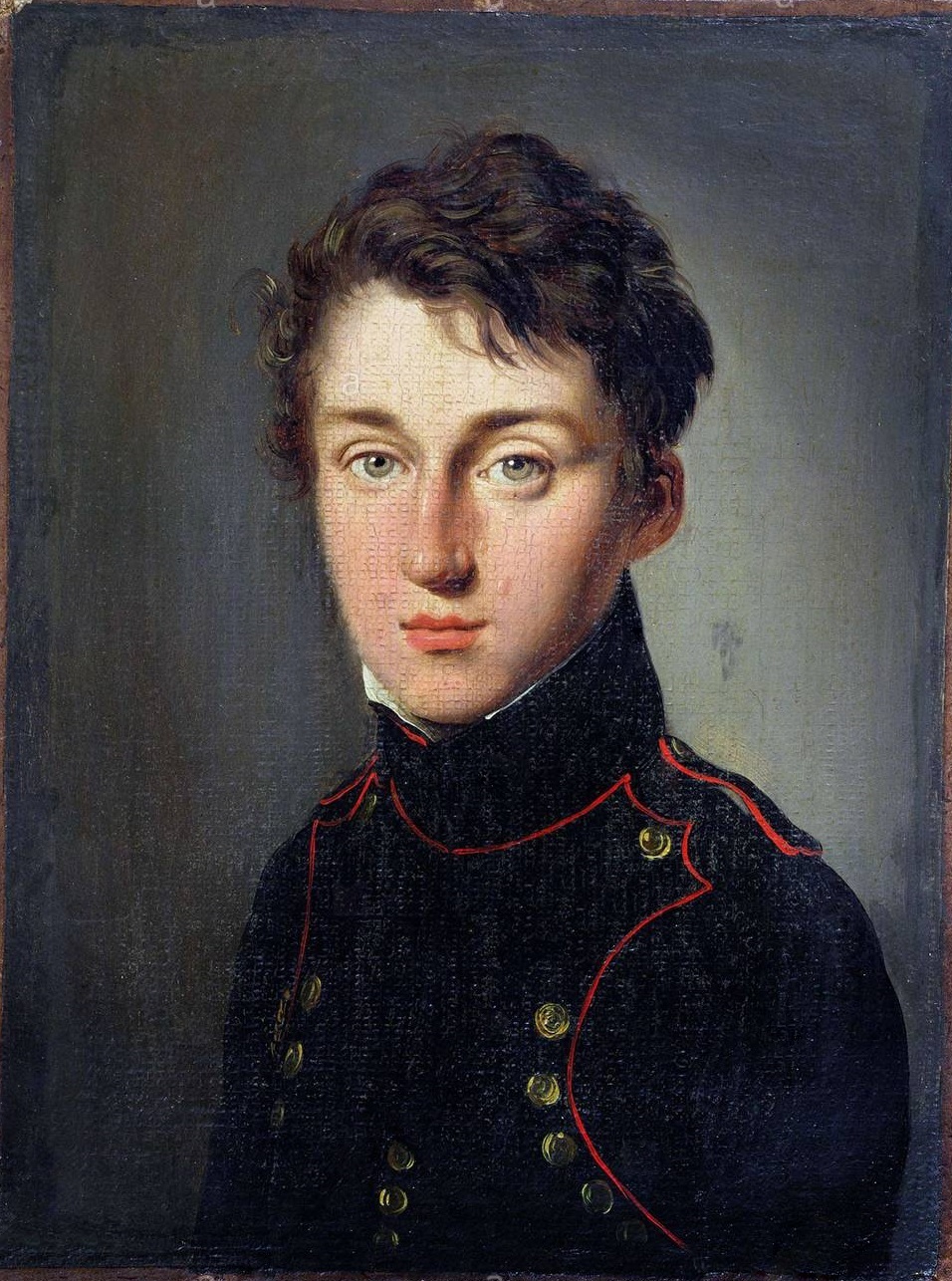
Nicolas Leonard Sadi Carnot🔑
1796–1832
Nicolas Leonard Sadi Carnot
Researcher
💡 Founder of the second law of thermodynamics; established the theoretical maximum efficiency limit of heat engines (Carnot cycle, 1824)
🧑‍🔬
🔑
1917–1968
Phyllis Nicolson
Researcher
💡 Co-developed the Crank-Nicolson finite-difference numerical method for solving heat-conduction-type partial differential equations (1947)
Charles Inglis🔑
1875–1952
Charles Inglis
Researcher
💡 Derived the stress-concentration equation for elliptical cracks (1913), the direct mathematical precursor to Griffith fracture mechanics
Arthur Schuster🔑
1851–1934
Arthur Schuster
Researcher
💡 Developed the periodogram/harmonic analysis method for detecting periodicities in geophysical time-series data
Giuseppe Mercalli🔑
1850–1914
Giuseppe Mercalli
Researcher
💡 Pioneer of systematic volcanology through direct observation of Vesuvius and Italian volcanoes; author of the Mercalli intensity scale
Charles Gordon Curtis🔑
1860–1953
Charles Gordon Curtis
Researcher
💡 Invented the Curtis impulse steam turbine stage, widely used in compact turbine-generator units
William Stanley Jevons🔑
1835–1882
William Stanley Jevons
Researcher
💡 Founded resource-depletion economics with "The Coal Question" (1865), analyzing sustainable extraction limits of a finite energy resource