🎓GeoAcademyGeoVerse Lab
Applied Geoscience Solutions College

Environmental Geoscience Department

Environmental Geoscience educates students to scientifically diagnose and respond to the environmental impacts of energy projects. Students master groundwater contamination transport modeling and geochemical fingerprinting, draft their own Environmental Impact Assessment (EIA) scenarios, and run projects that simulate the effectiveness of remediation techniques such as phytoremediation and in-situ chemical oxidation. By graduation, students can independently carry a project from contamination diagnosis through remediation design as environmental geology specialists.
⚙️ GeoAcademy System Administration College🖥️ AI & Computing Sciences College🔬 Basic Sciences College⚡ Intelligent Geophysical Exploration College🛢️ Resource & Energy Engineering College🌍 Applied Geoscience Solutions College💼 Economics, Policy & Strategy for the Future College🎓 Education & Training Development College🚀 Innovation & International Collaboration College
Carbon Capture & Storage Project DepartmentNuclear Waste Disposal Project DepartmentOil & Gas Exploration Project DepartmentApplied Geothermal Energy Project DepartmentGeohazards & Monitoring Project DepartmentOffshore Wind Farm Project DepartmentCritical Minerals Exploration DepartmentLand Site Survey & Assessment DepartmentSpecial Applications DepartmentEnvironmental Geoscience Department
Carson🔑
Carson
Chair
💡 Environmental Science & Contamination Assessment

Researchers (real GeoVerse Lab members) 15

🧑‍🔬
🔑
1886–1975
Geoffrey Ingram Taylor
Researcher
💡 Taylor dispersion theory describing solute spreading in flowing fluids (1953)
🧑‍🔬
🔑
1910–2003
Konrad Bates Krauskopf
Researcher
💡 Author of the standard geochemistry textbook "Introduction to Geochemistry"
Lynton K. Caldwell🔑
1913–2006
Lynton K. Caldwell
Researcher
💡 Principal intellectual architect of the U.S. National Environmental Policy Act (NEPA, 1969), which created the modern environmental impact assessment requirement
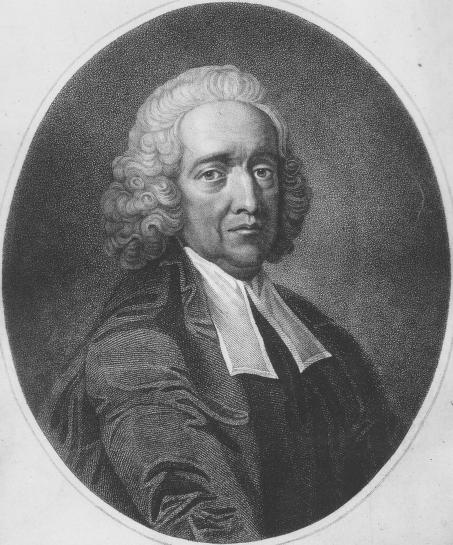
Stephen Hales🔑
1677–1761
Stephen Hales
Researcher
💡 Founder of plant physiology; first quantitative measurement of plant transpiration and sap pressure ("Vegetable Staticks", 1727)
🧑‍🔬
🔑
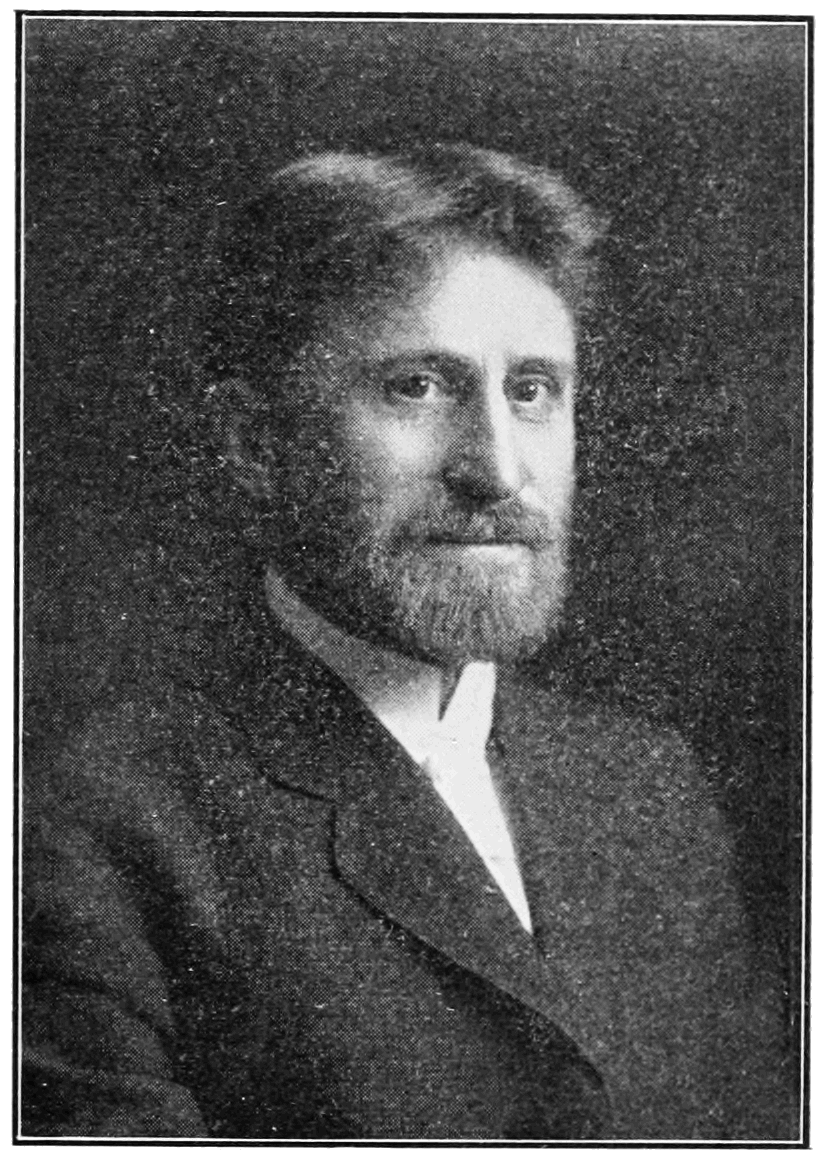
1854–1929
Henry John Horstman Fenton
Researcher
💡 Discovered Fenton's reagent (Fe2+/H2O2 oxidation system) in 1894
Louis Agricola Bauer🔑
1865–1932
Louis Agricola Bauer
Researcher
💡 Founder of the Department of Terrestrial Magnetism, Carnegie Institution; pioneer of systematic magnetic field surveying
🧑‍🔬
🔑
1920–2017
T. William Lambe
Researcher
💡 Co-author of the standard soil mechanics textbook "Soil Mechanics" underlying modern geotechnical waste-containment engineering
🧑‍🔬
🔑
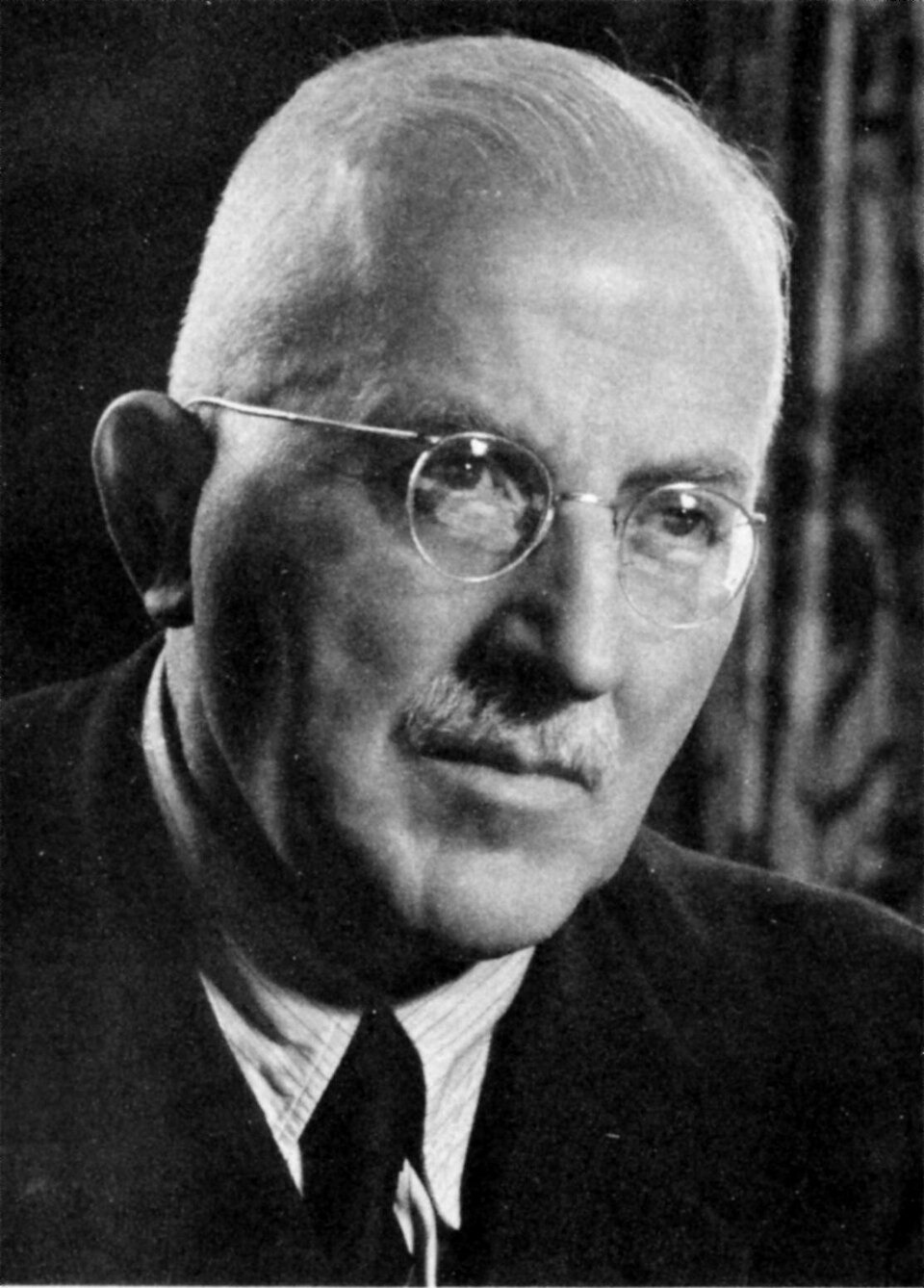
1904–1993
Lorenzo A. Richards
Researcher
💡 Derived the Richards equation for unsaturated (vadose zone) flow through porous media (1931)
🧑‍🔬
🔑
1920–2001
Ian McHarg
Researcher
💡 Founder of the GIS overlay method for land suitability analysis ("Design with Nature", 1969)
Edward Frankland🔑
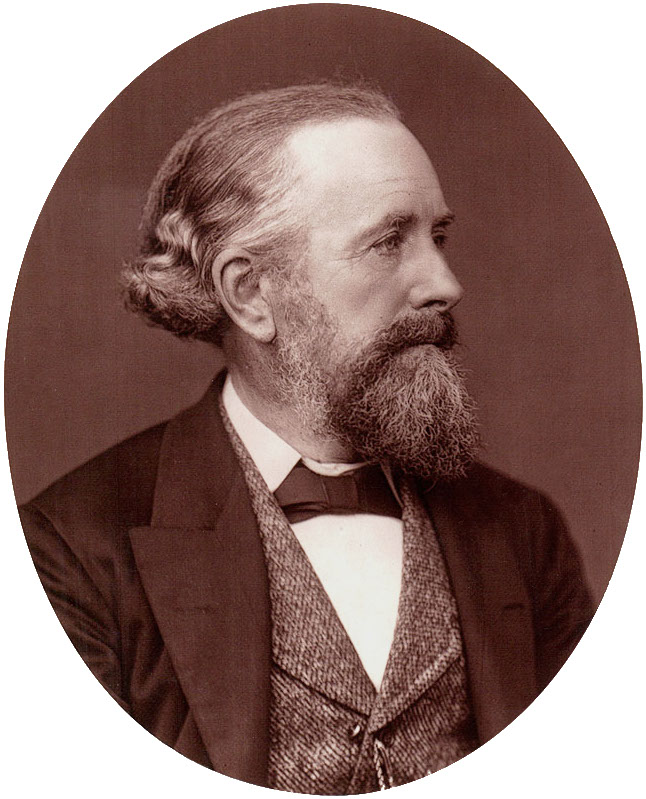
1825–1899
Edward Frankland
Researcher
💡 Founder of systematic water analysis; monthly chemical monitoring of London water supply; Rivers Pollution Commission
James Lovelock🔑
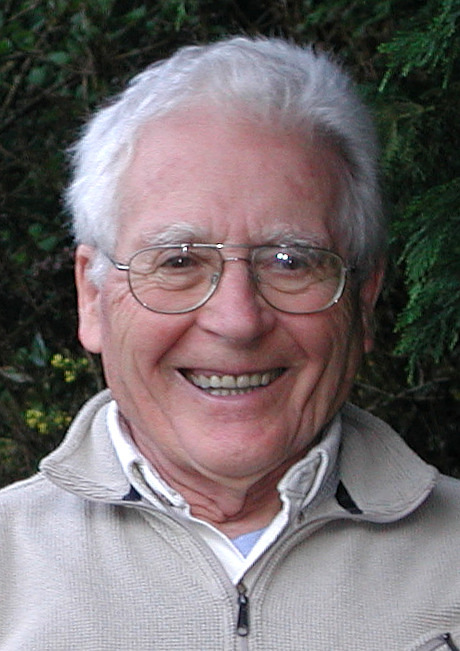
1919–2022
James Lovelock
Researcher
💡 Invented the electron capture detector (ECD), enabling trace detection of halogenated organic compounds
Hermann Staudinger🔑
1881–1965
Hermann Staudinger
Researcher
💡 Founder of polymer chemistry; proved that polymers are covalently bonded macromolecules (1920); Nobel Prize in Chemistry (1953)
🧑‍🔬
🔑
1909–1994
René Truhaut
Researcher
💡 Coined the term "ecotoxicology" and defined it as a scientific discipline (1969)
Ananda Mohan Chakrabarty🔑
1938–2020
Ananda Mohan Chakrabarty
Researcher
💡 Engineered the first oil-degrading bacterium, subject of the landmark Diamond v. Chakrabarty patent case (1980)
🧑‍🔬
🔑
1916–1988
Robert Garrels
Researcher
💡 Founder of quantitative aqueous mineral equilibrium geochemistry (Eh-pH stability diagrams)