🎓GeoAcademyGeoVerse Lab
Education & Training Development College

Professional Training & Skills Department

The Professional Training & Skills Department trains practice-ready professionals for the geoscience and energy industry. Students master industry-standard software such as Petrel, OpendTect, and COMSOL, field-method training including seismic acquisition and well logging, and laboratory-skills instruction, all combined with simulation-based and case-study learning, while continuously updating their expertise through workshops and continuing-education courses. Graduates emerge with the practical competencies and industry certifications employers require, ready for immediate deployment in the field.
⚙️ GeoAcademy System Administration College🖥️ AI & Computing Sciences College🔬 Basic Sciences College⚡ Intelligent Geophysical Exploration College🛢️ Resource & Energy Engineering College🌍 Applied Geoscience Solutions College💼 Economics, Policy & Strategy for the Future College🎓 Education & Training Development College🚀 Innovation & International Collaboration College
Curriculum Development & Design DepartmentProfessional Training & Skills DepartmentAssessment & Certification DepartmentEducational Technology & Innovation Department
Bloom🔑
Bloom
Chair
💡 Mastery Learning & Educational Objectives Taxonomy

Researchers (real GeoVerse Lab members) 12

John Whitmore🔑
1937–2017
John Whitmore
Researcher
💡 Pioneered the executive coaching industry and co-developed the GROW model, a structured question-based coaching methodology
🧑‍🔬
🔑
1862–1938
Charles R. Allen
Researcher
💡 Developed the Show-Tell-Do-Check four-step Job Instruction Training method, rapidly training 450,000 WWI shipyard workers and founding the Training Within Industry movement
🧑‍🔬
🔑
1926–2018
Jens Rasmussen
Researcher
💡 Developed the Skills-Rules-Knowledge (SRK) framework and risk-management models explaining how operators process information and where human error arises in complex safety-critical systems
🧑‍🔬
🔑
1912–1965
Paul Fitts
Researcher
💡 Formulated a staged model of motor and cognitive skill acquisition and Fitts's Law, one of the most successful mathematical models of human movement, founding human factors engineering
🧑‍🔬
🔑
1924–2014
Donald L. Kirkpatrick
Researcher
💡 Created the highly influential Four-Level Model (reaction, learning, behavior, results) for evaluating professional training programs
🧑‍🔬
🔑
1927–1995
Thomas F. Gilbert
Researcher
💡 Founded Human Performance Technology, recognizing that training changes knowledge but environmental supports are needed to actually change workplace behavior
Dale Carnegie🔑
1888–1955
Dale Carnegie
Researcher
💡 Built one of the world's first large-scale professional-development course businesses teaching public speaking, salesmanship, and interpersonal skills to working adults
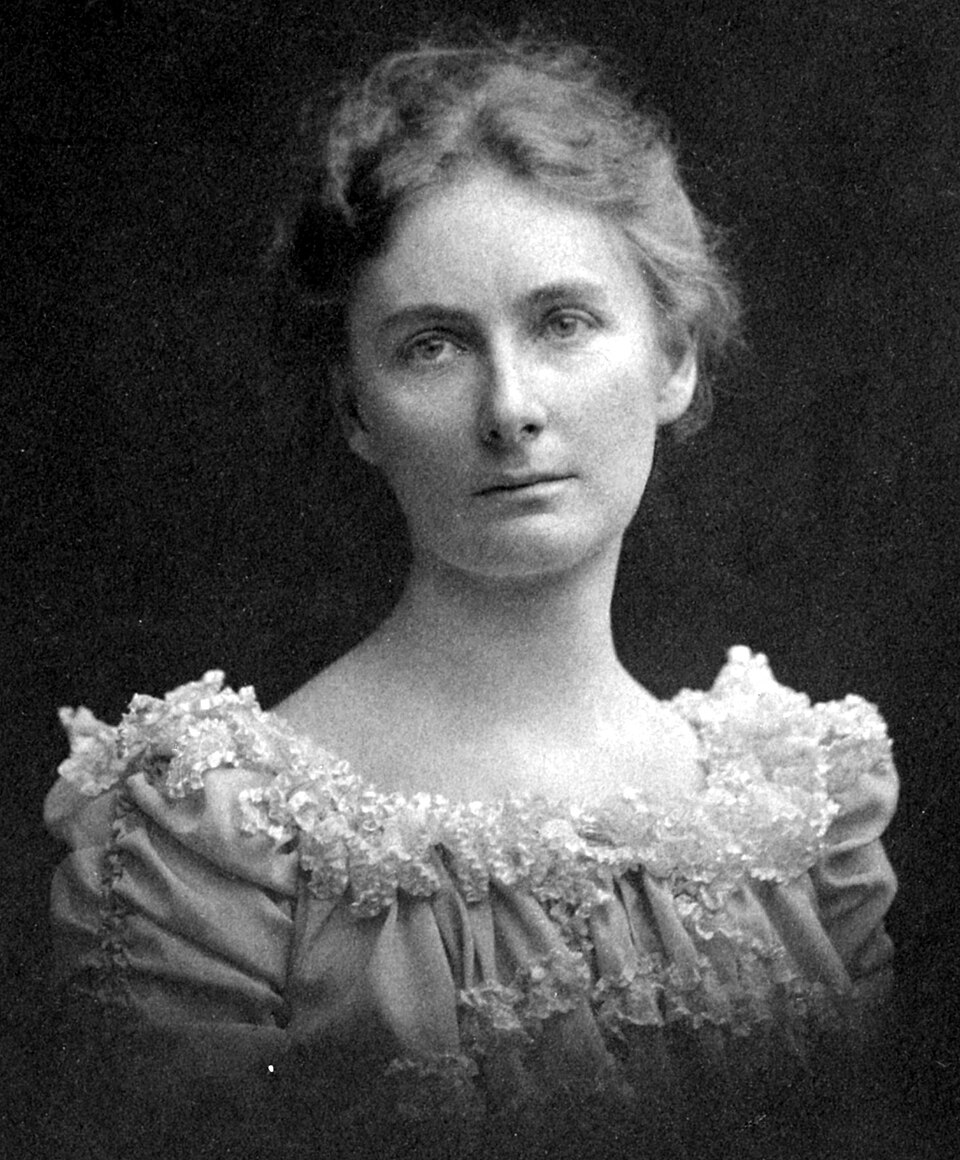
Florence Bascom🔑
1862–1945
Florence Bascom
Researcher
💡 Founded the geology department at Bryn Mawr College and personally trained a generation of field geologists through mentored field-mapping instruction, becoming the first woman to work for the USGS
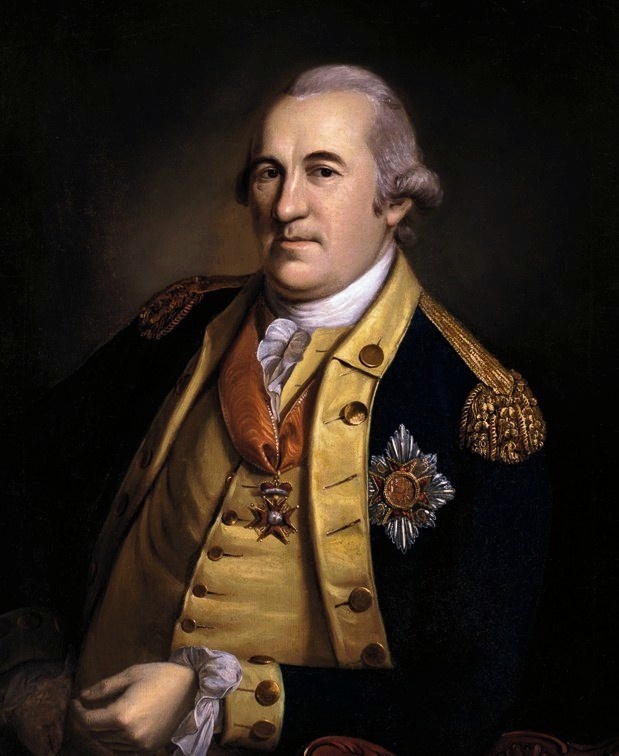
Friedrich Wilhelm von Steuben🔑
1730–1794
Friedrich Wilhelm von Steuben
Researcher
💡 Transformed the ragged Continental Army at Valley Forge into a disciplined, professional fighting force through an intensive, standardized drill program, earning recognition as a father of the US Army's training system
🧑‍🔬
🔑
1886–1962
Herbert William Heinrich
Researcher
💡 Founded scientific industrial safety analysis with Heinrich's Law/pyramid, arguing accident prevention requires systematically addressing unsafe acts and conditions, not just major incidents
🧑‍🔬
🔑
1906–1964
Douglas McGregor
Researcher
💡 Formulated Theory X and Theory Y, contrasting assumptions about employee motivation that determine whether organizational training is designed as directive control or participative development
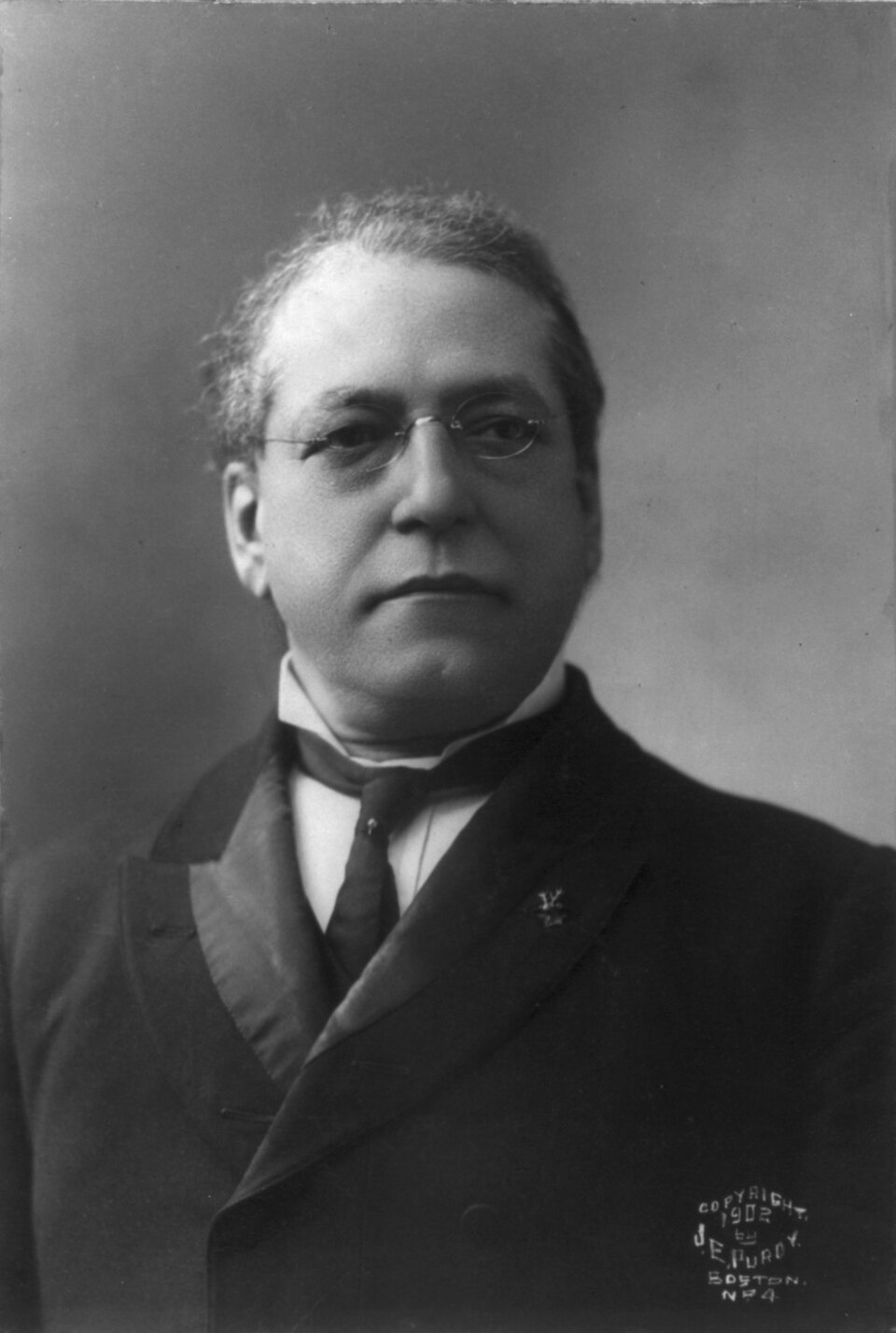
Samuel Gompers🔑
1850–1924
Samuel Gompers
Researcher
💡 Founded and led the American Federation of Labor, establishing structured, union-negotiated apprenticeship pathways that became the template for modern registered apprenticeship and technical-certification systems