GeoVerse Lab
โ† AI & Computing Sciences Division

Generative AI & Foundation Models Center

Advances large-scale foundation models - LLMs, diffusion models, and multimodal systems, spanning pretraining, RLHF, and scaling laws - and adapts them for scientific reasoning, data synthesis, and geoscience-specific applications through domain adaptation and retrieval-augmented generation.

โš™๏ธ GeoVerse System Administration Division๐Ÿ–ฅ๏ธ AI & Computing Sciences Division๐Ÿ”ฌ Basic Sciences Divisionโšก Intelligent Geophysical Exploration Division๐Ÿ›ข๏ธ Resource & Energy Engineering Division๐ŸŒ Applied Geoscience Solutions Division๐Ÿ’ผ Economics, Policy & Strategy Division๐ŸŽ“ Education & Training Development Division๐Ÿš€ Innovation & International Collaboration Division
Machine Learning CenterNatural Language Processing CenterComputer Vision CenterHigh-Performance Computing CenterQuantum Computing CenterGenerative AI & Foundation Models CenterReinforcement Learning & Agents CenterAI Safety & Alignment CenterAI for Science CenterRobotics & Embodied AI Center
Ludwig Boltzmann๐Ÿ”‘
โญ Center Chief
Ludwig Boltzmann
Center Head
๐Ÿ’ก Statistical mechanics, theoretical basis of Boltzmann machines
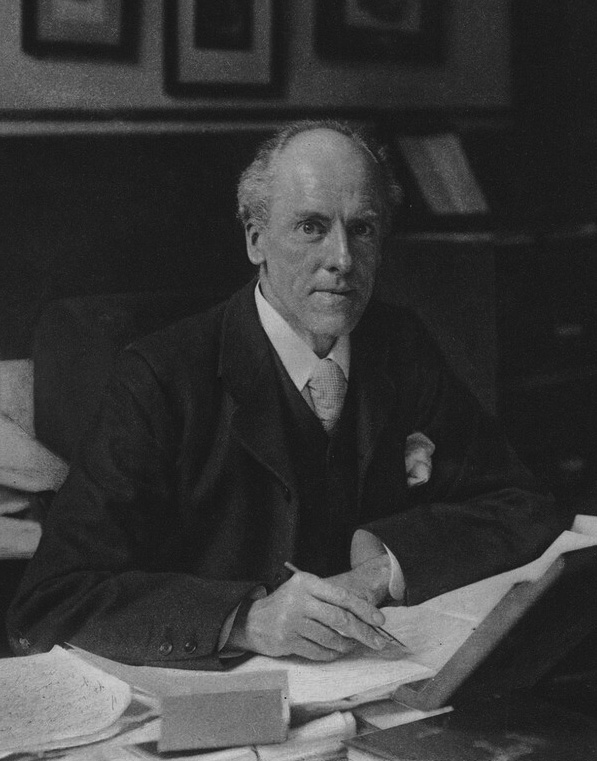
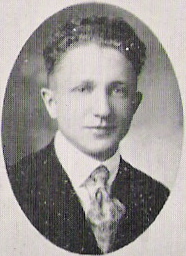
Karl Pearson๐Ÿ”‘
1857โ€“1936
Karl Pearson
Researcher
๐Ÿ’ก Invented Principal Component Analysis, the first method for learning a compressed low-dimensional latent representation that best reconstructs high-dimensional data โ€” the linear ancestor of autoencoder-based representation learning
๐Ÿ–ฅ๏ธ AI & Computing Sciences DivisionGenerative AI & Foundation Models Center
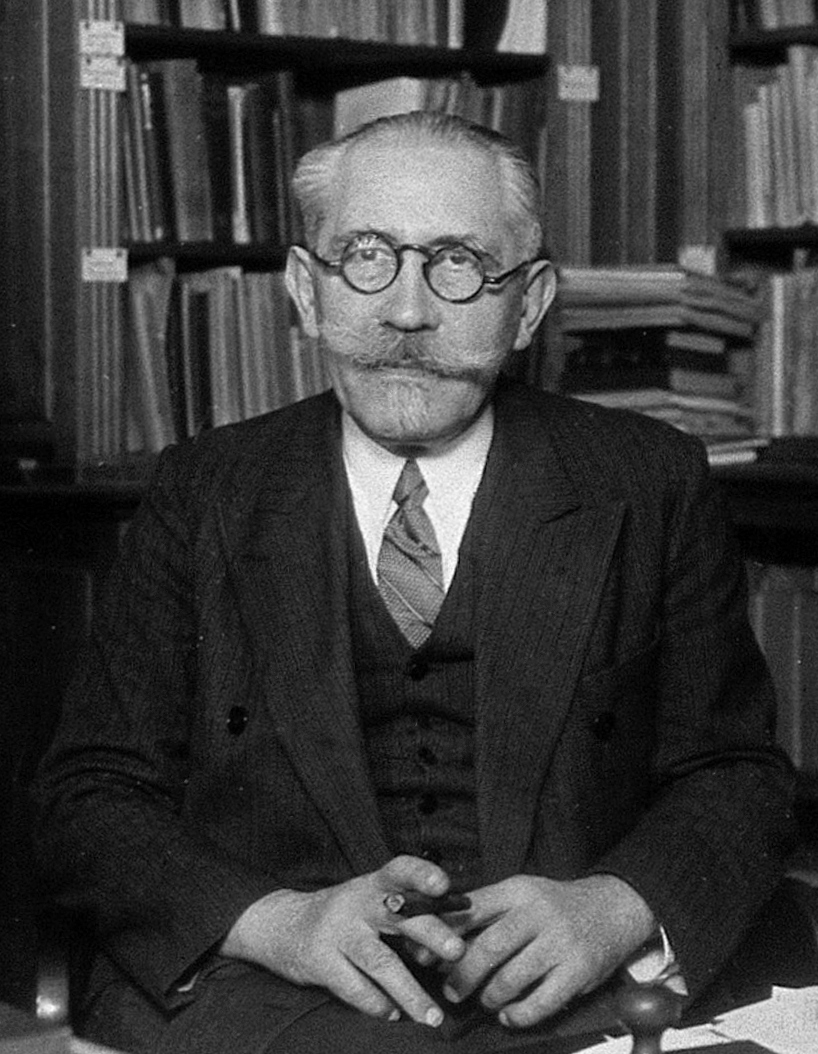
Paul Langevin๐Ÿ”‘
1872โ€“1946
Paul Langevin
Researcher
๐Ÿ’ก Formulated the Langevin equation describing stochastic (Brownian) motion under random forcing, the exact stochastic differential equation whose discretization is the sampling procedure in modern diffusion/score-based generative models
๐Ÿ–ฅ๏ธ AI & Computing Sciences DivisionGenerative AI & Foundation Models Center
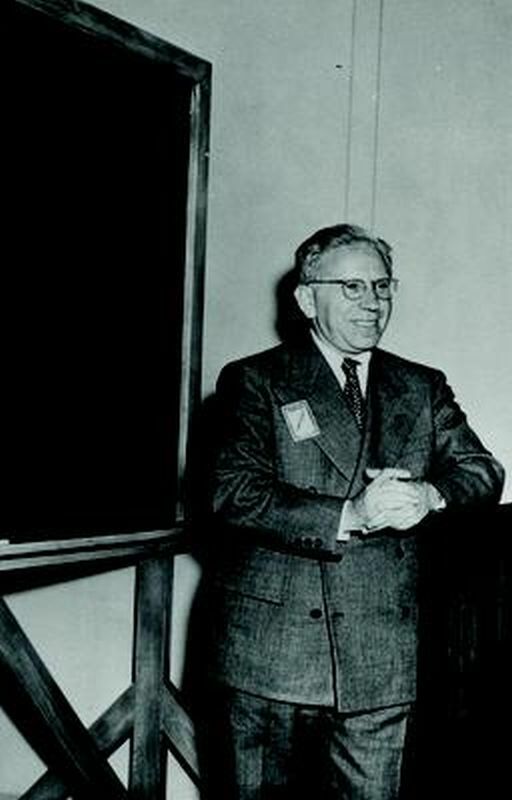
๐Ÿง‘โ€๐Ÿ”ฌ
๐Ÿ”‘
1926โ€“2009
Ray Solomonoff
Researcher
๐Ÿ’ก Founded algorithmic information theory and universal induction, defining the shortest program (most compressed description) that reproduces a given data pattern as its ideal predictor โ€” the theoretical ideal that knowledge distillation approximates when compressing a large model into a smaller one
๐Ÿ–ฅ๏ธ AI & Computing Sciences DivisionGenerative AI & Foundation Models Center
Melvil Dewey๐Ÿ”‘
1851โ€“1931
Melvil Dewey
Researcher
๐Ÿ’ก Invented the Dewey Decimal Classification system for systematically organizing knowledge into hierarchical subject domains, the founding methodology for the domain classification and curation that shapes how domain-specific corpora (e.g. geoscience text) are organized for adapting foundation models
๐Ÿ–ฅ๏ธ AI & Computing Sciences DivisionGenerative AI & Foundation Models Center
๐Ÿง‘โ€๐Ÿ”ฌ
๐Ÿ”‘
1890โ€“1960
John Rupert Firth
Researcher
๐Ÿ’ก Formulated the distributional hypothesis of meaning ('you shall know a word by the company it keeps'), the foundational linguistic principle that word embedding methods (word2vec, GloVe, and transformer embeddings) directly operationalize
๐Ÿ–ฅ๏ธ AI & Computing Sciences DivisionGenerative AI & Foundation Models Center
Emile Borel๐Ÿ”‘
1871โ€“1956
Emile Borel
Researcher
๐Ÿ’ก Founded early game theory and the minimax concept for zero-sum games, the exact mathematical framework (a two-player minimax game between generator and discriminator) that defines Generative Adversarial Networks
๐Ÿ–ฅ๏ธ AI & Computing Sciences DivisionGenerative AI & Foundation Models Center
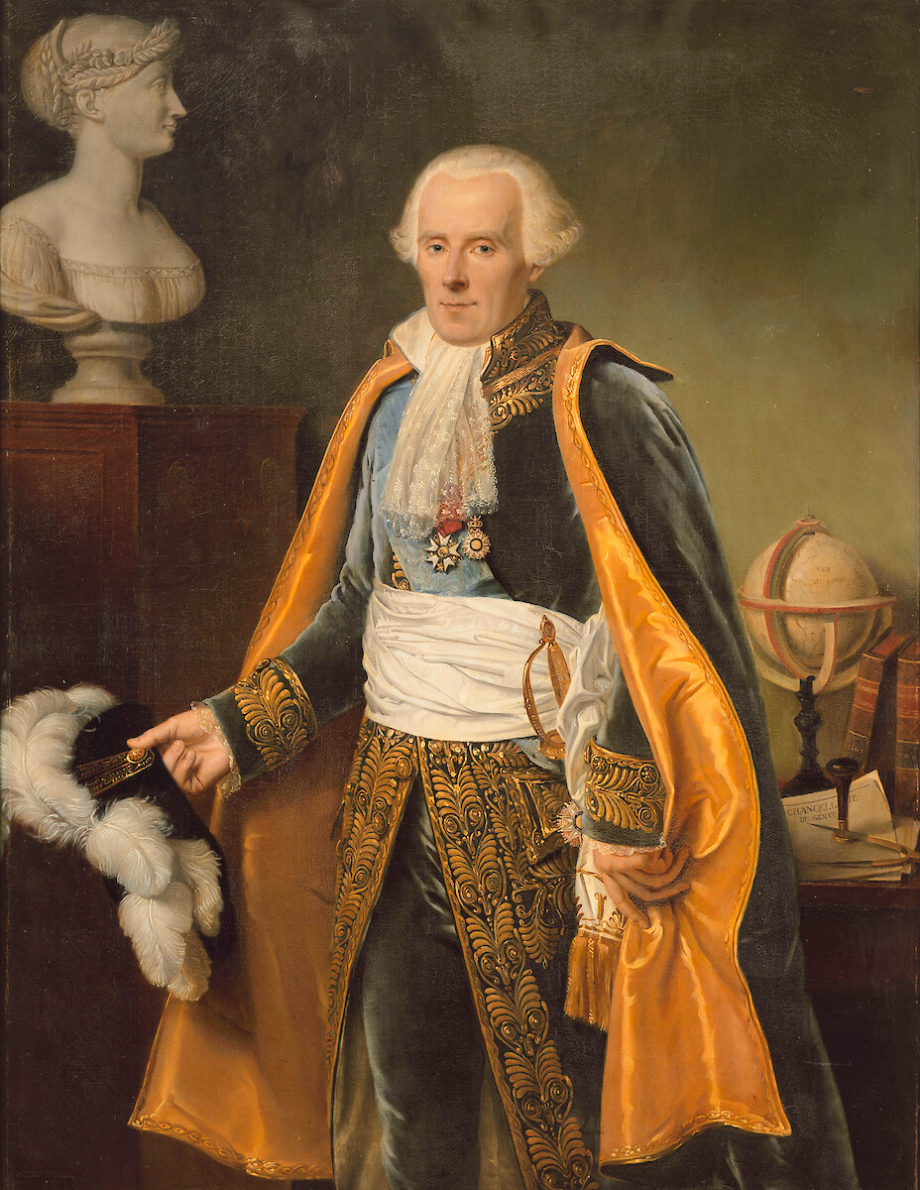
Pierre-Simon Laplace๐Ÿ”‘
1749โ€“1827
Pierre-Simon Laplace
Researcher
๐Ÿ’ก Founded Bayesian probabilistic inference and the systematic theory of inferring unobserved causes (latent variables) from observed data, the direct philosophical and mathematical ancestor of latent-variable generative models (VAEs, diffusion models)
๐Ÿ–ฅ๏ธ AI & Computing Sciences DivisionGenerative AI & Foundation Models Center
Abraham Wald๐Ÿ”‘
1902โ€“1950
Abraham Wald
Researcher
๐Ÿ’ก Founded statistical decision theory and sequential analysis, formalizing how an agent should update inference adaptively as new observations arrive within a single decision process โ€” the statistical-decision-theoretic root of in-context learning within a model's forward pass
๐Ÿ–ฅ๏ธ AI & Computing Sciences DivisionGenerative AI & Foundation Models Center
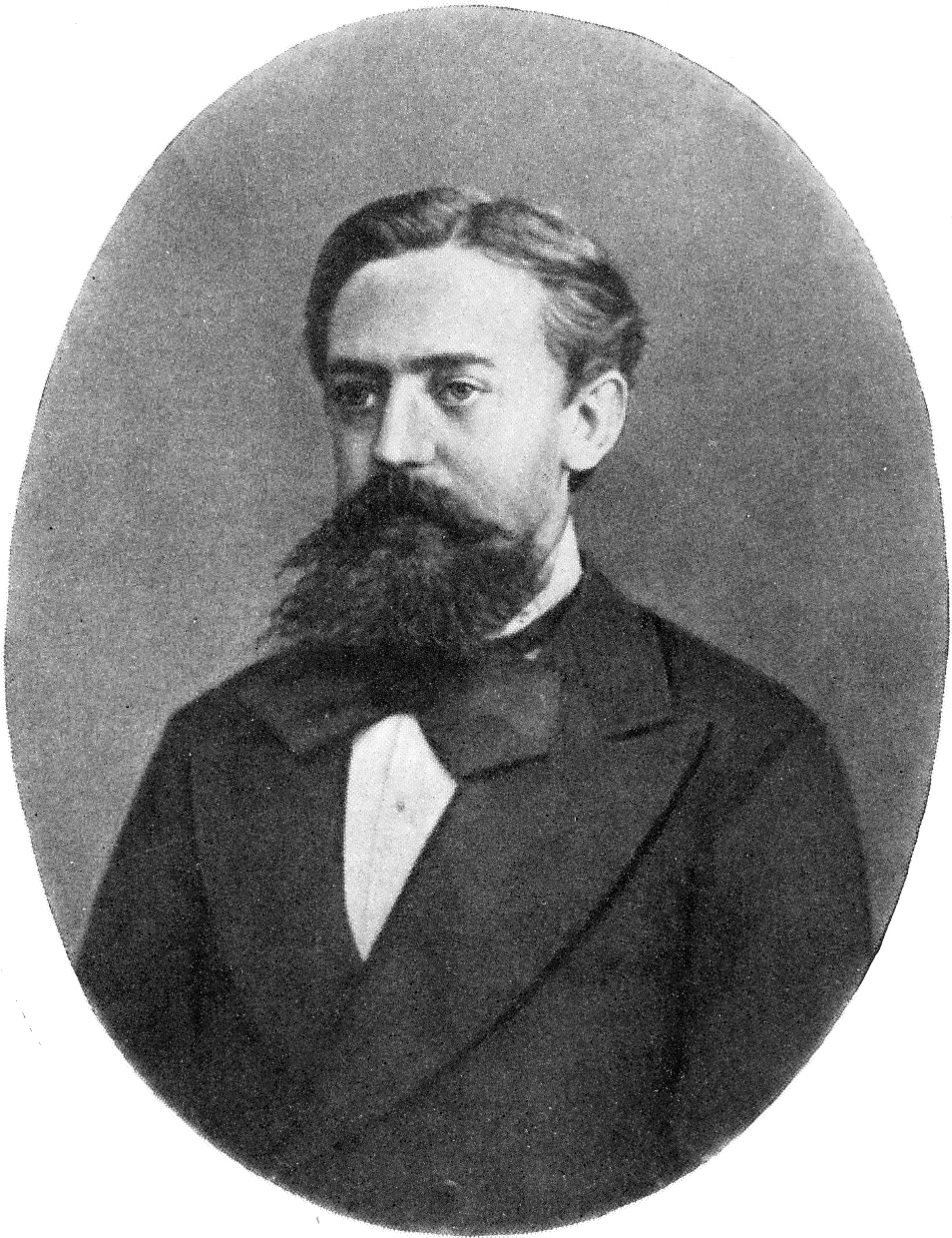
Andrey Markov๐Ÿ”‘
1856โ€“1922
Andrey Markov
Researcher
๐Ÿ’ก Founded the theory of Markov chains โ€” stochastic processes where the next state depends only on the current state โ€” first applied by Markov himself to model letter sequences in text, the direct mathematical ancestor of all autoregressive language modeling including LLMs
๐Ÿ–ฅ๏ธ AI & Computing Sciences DivisionGenerative AI & Foundation Models Center
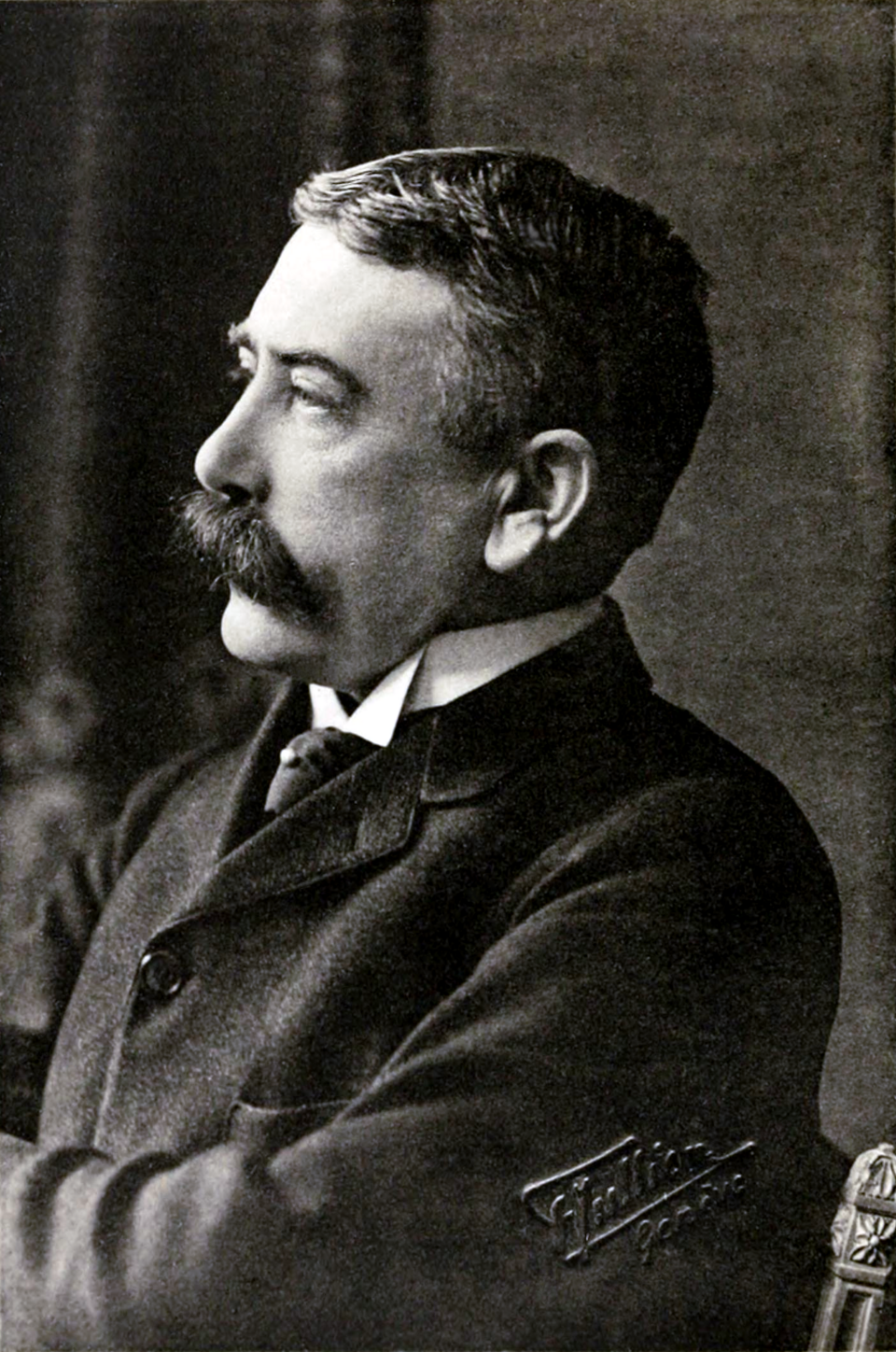
Ferdinand de Saussure๐Ÿ”‘
1857โ€“1913
Ferdinand de Saussure
Researcher
๐Ÿ’ก Founded structural linguistics and semiotics, establishing the theory of the arbitrary sign (signifier/signified relationship) that underlies how multimodal models must learn shared, grounded representations across language and vision
๐Ÿ–ฅ๏ธ AI & Computing Sciences DivisionGenerative AI & Foundation Models Center
๐Ÿง‘โ€๐Ÿ”ฌ
๐Ÿ”‘
1927โ€“1995
Gerard Salton
Researcher
๐Ÿ’ก Founded modern information retrieval, inventing the vector space model representing documents and queries as vectors ranked by similarity โ€” the exact retrieval mechanism (dense vector search) that retrieval-augmented generation systems use to fetch context for language models
๐Ÿ–ฅ๏ธ AI & Computing Sciences DivisionGenerative AI & Foundation Models Center
George Kingsley Zipf๐Ÿ”‘
1902โ€“1950
George Kingsley Zipf
Researcher
๐Ÿ’ก Discovered Zipf's Law โ€” the power-law distribution of word frequency in natural language โ€” the founding empirical power-law regularity that motivates and parallels the power-law scaling laws governing large language model performance versus size, data, and compute
๐Ÿ–ฅ๏ธ AI & Computing Sciences DivisionGenerative AI & Foundation Models Center
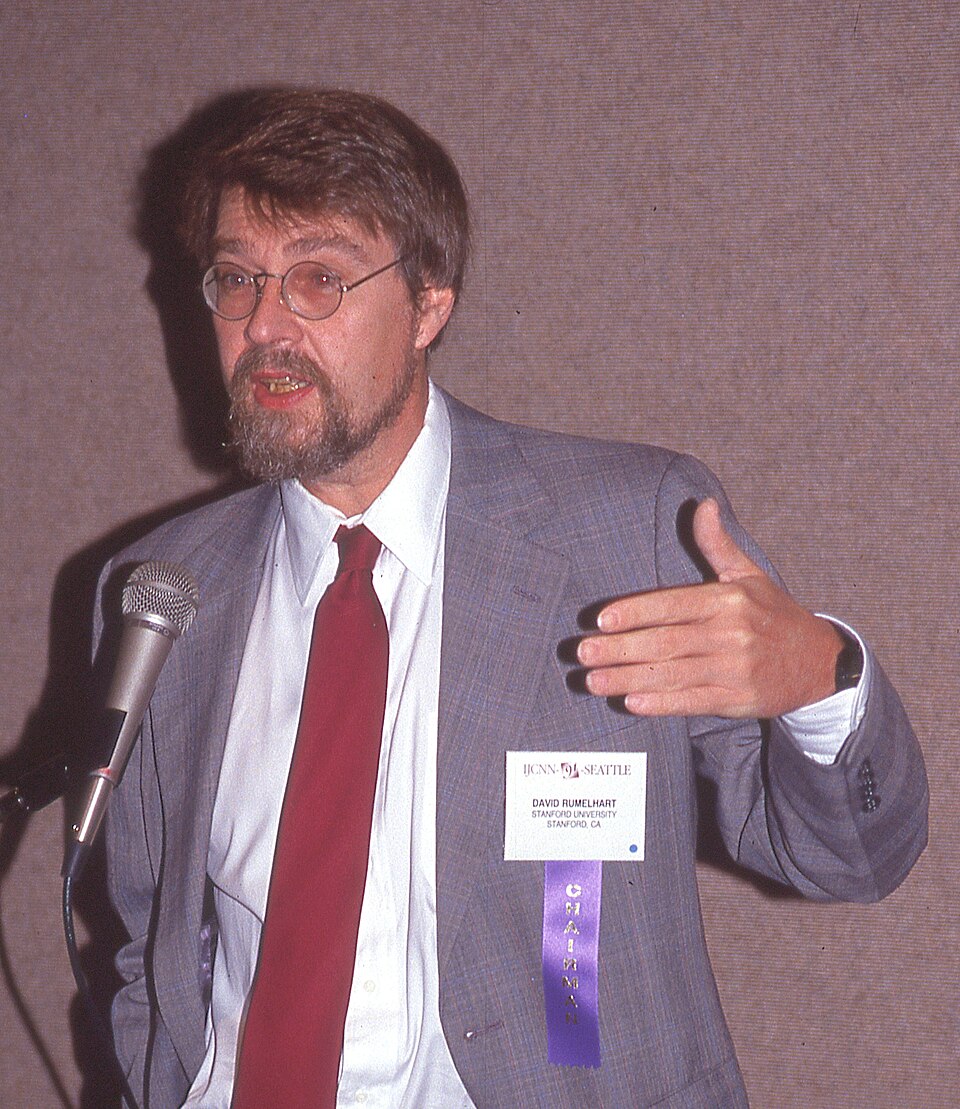
David Rumelhart๐Ÿ”‘
1942โ€“2011
David Rumelhart
Researcher
๐Ÿ’ก Co-developed the backpropagation algorithm for training multilayer neural networks and founded parallel distributed processing (PDP) theory, the direct architectural ancestor of the deep sequence and transformer networks underlying modern foundation models
๐Ÿ–ฅ๏ธ AI & Computing Sciences DivisionGenerative AI & Foundation Models Center
๐Ÿง‘โ€๐Ÿ”ฌ
๐Ÿ”‘
1925โ€“1999
David A. Huffman
Researcher
๐Ÿ’ก Invented Huffman coding, the optimal variable-length prefix-code compression algorithm based on symbol frequency, the same frequency-driven merging principle that Byte-Pair Encoding (BPE) tokenization in modern LLMs directly generalizes
๐Ÿ–ฅ๏ธ AI & Computing Sciences DivisionGenerative AI & Foundation Models Center
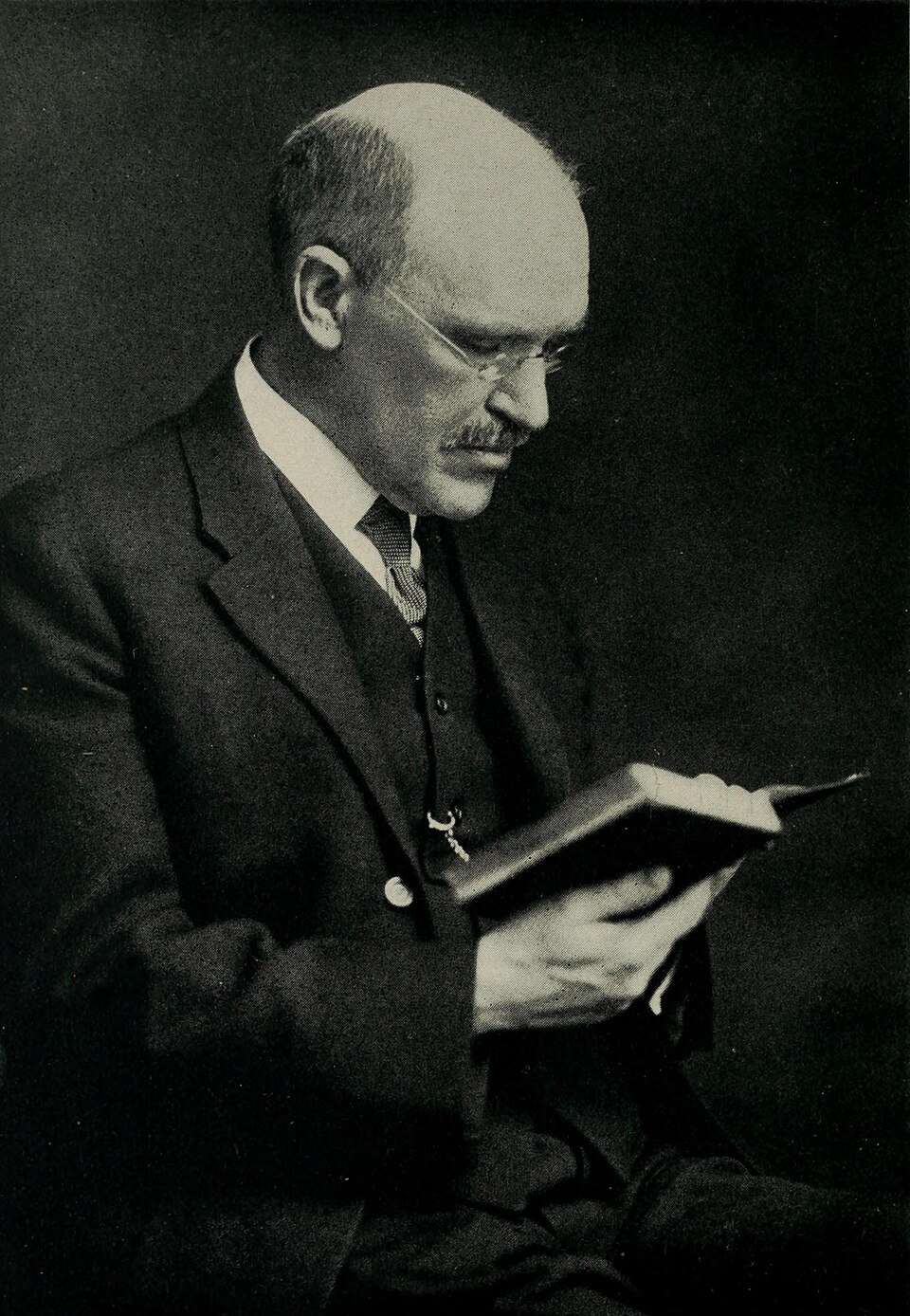
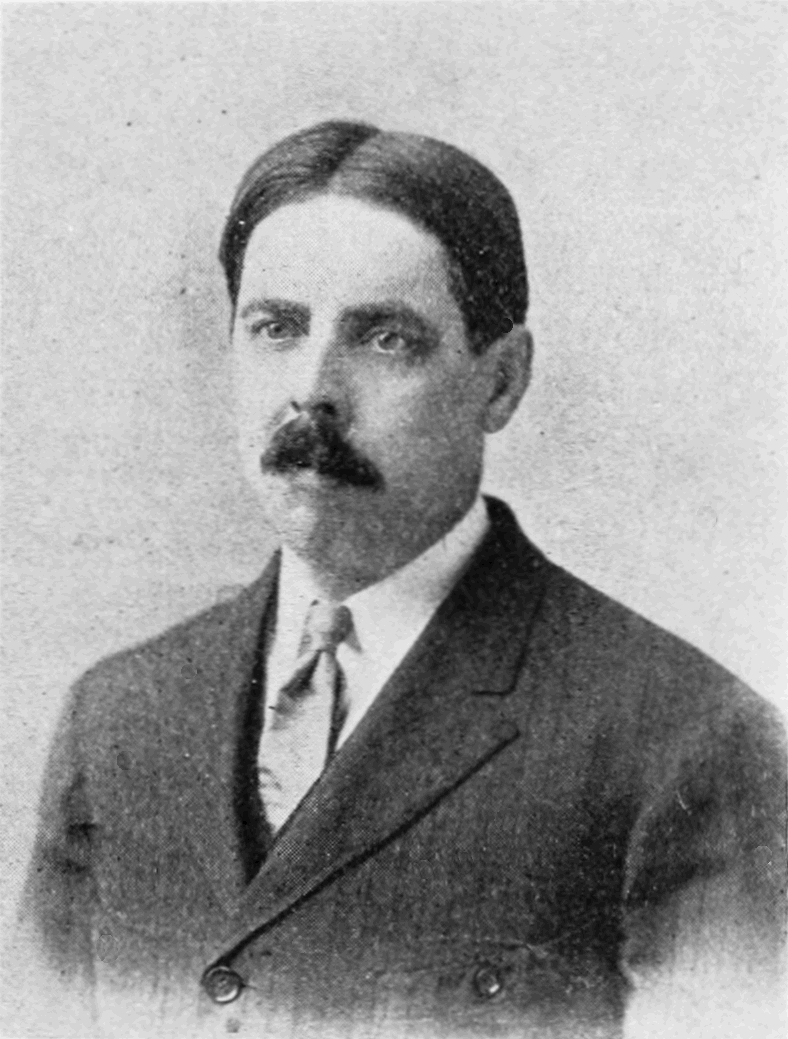
Edward Thorndike๐Ÿ”‘
1874โ€“1949
Edward Thorndike
Researcher
๐Ÿ’ก Founded the psychological theory of transfer of learning (the 'identical elements' theory of why training on one task improves performance on another), the conceptual ancestor of fine-tuning and transfer learning in foundation models
๐Ÿ–ฅ๏ธ AI & Computing Sciences DivisionGenerative AI & Foundation Models Center